Bile Duct Cancer and Parasites: Exploring the Scientific Link
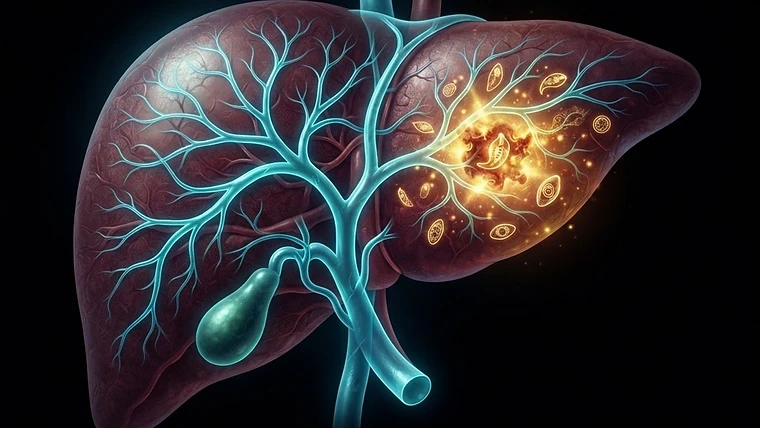
Investigating the complex intersection of bile duct cancer and parasites, examining how chronic infection may influence cellular health.
Evidence context
This article is an educational research review. Associations do not prove causation, and medical decisions should be made with qualified healthcare professionals using the underlying cited evidence.
Topic overview
Cancer and parasites research overviewIntroduction to the Intersection of Bile Duct Cancer and Parasites
The human body is a complex ecosystem, and medical science is increasingly looking at the microscopic inhabitants that dwell within us. One area of ongoing interest for researchers is the link between bile duct cancer and parasites. Bile duct cancer, medically known as cholangiocarcinoma, is a rare but challenging malignancy. For decades, researchers have observed curious correlations between specific geographical regions with high rates of parasitic infections and elevated incidents of biliary tract diseases. Understanding the dynamic between bile duct cancer and parasites is not about assigning simple blame; rather, it is about unraveling the intricate biological interplay that occurs when a foreign organism takes up residence in the human liver or biliary tree.
It is important to note that the information provided here is for educational purposes only and does not constitute medical advice, diagnosis, or treatment. Always consult with your primary care physician or oncology team regarding any health concerns. Furthermore, standard medical interventions such as chemotherapy, radiation, or surgery are common approaches in current oncology. While these treatments are designed to target malignancy, they inevitably impact healthy cells as well. Patients should engage in thorough discussions with their medical team to weigh the potential benefits and trade-offs of these standard care options.
Understanding Cholangiocarcinoma
Cholangiocarcinoma arises from the epithelial cells of the bile ducts. These ducts are the drainage system that carries bile from the liver and gallbladder into the small intestine. When cells in this system begin to grow uncontrollably, it can cause obstructions and other systemic health issues. Because the liver and bile ducts are deeply integrated with the body’s metabolic functions, early detection of this condition remains one of the greatest challenges in modern medicine.
Emerging science explores how chronic inflammation serves as a precursor to many forms of cell transformation. In the context of bile duct cancer and parasites, the focus often turns to how persistent, long-term irritation caused by a foreign presence might influence the genetic and cellular environment of the bile ducts over many years.
The Role of Liver Flukes in Research
When scientists study the connection between bile duct cancer and parasites, they frequently highlight a specific family of organisms known as liver flukes. The most well-studied among these are Opisthorchis viverrini and Clonorchis sinensis. These parasites are typically acquired through the consumption of raw or undercooked freshwater fish containing infective larvae.
Once ingested, these organisms migrate to the bile ducts, where they can live for years. Some studies indicate that the host's reaction to the presence of these flukes is not merely a passive one. The body launches an immune response, leading to chronic inflammation in the biliary lining. This state of constant "repair and inflammation" is a subject of intense academic study. Researchers are investigating whether this cycle creates an environment where cells are more susceptible to mutations that could eventually lead to malignancy. It is a slow, multi-decade process, which underscores the complexity of the link between bile duct cancer and parasites.
Mechanisms of Cellular Stress
How exactly could a parasite influence cancer development? Research suggests several potential mechanisms:
- Mechanical irritation: The physical presence of flukes within the bile duct walls may cause constant, low-level physical damage to the tissue.
- Secretory products: The parasites secrete various enzymes and proteins. Some research explores whether these substances have the potential to alter host gene expression or promote cell proliferation.
- Immune modulation: The parasite’s ability to manipulate the host immune system might unintentionally dampen the body’s ability to recognize and remove damaged, pre-malignant cells.
- Oxidative stress: The chronic inflammation caused by an ongoing infection generates reactive oxygen species, which are known to cause damage to cellular DNA.
It is essential to reiterate that associations do not prove causation. While the correlation between bile duct cancer and parasites is geographically strong in certain parts of Southeast Asia, not every person infected with these parasites develops cancer. Many other lifestyle, environmental, and genetic factors likely play a synergistic role in the development of the disease.
Navigating Modern Oncology
For those currently navigating a diagnosis, the landscape of standard medical care includes surgery to remove tumors, chemotherapy to slow cell division, and radiation to damage the DNA of malignant cells. These methods are the gold standard for a reason, despite their intensity. Oncology teams work to balance the destruction of disease with the preservation of the patient's quality of life. It is crucial for patients to speak openly with their doctors about their concerns, including questions about how their specific history—including any history of parasitic infection—might be addressed within the framework of their existing care plan.
The Importance of Global Health Awareness
Public health initiatives play a significant role in reducing the risk of parasitic infections. In regions where liver flukes are endemic, education about food preparation and sanitation has shown the potential to decrease infection rates. This is a critical preventive measure. By reducing the burden of chronic parasitic infection, the overall incidence of biliary inflammation may decrease, which is a major focus for public health experts worldwide. The link between bile duct cancer and parasites is a reminder of how interconnected human health is with our environment and the dietary habits of our communities.
Future Directions in Research
Science is moving toward a more nuanced understanding of the microbiome and the "macro-biome"—the larger parasites that occupy our internal spaces. Future research will likely focus on biomarkers that can identify early signs of cellular change in the bile ducts before they progress to malignancy. Additionally, researchers are looking at whether modulating the immune response during a chronic infection could help the body clear parasites more effectively and reduce the underlying inflammation that serves as a substrate for disease. The field is evolving rapidly, and every new study brings us closer to understanding the mechanisms involved in bile duct cancer and parasites.
Going Deeper
As we continue to learn more about how microscopic organisms influence our systemic health, it is vital to stay informed through reputable sources. For those who wish to explore the broader context of how various organisms interact with human health, you can read the main cancer and parasites guide for a comprehensive overview of current discussions in this field. Additionally, for a more detailed look at the mechanisms and history of these interactions, the book "The Parasite-Cancer Connection" by James Young, RN provides an in-depth resource for those seeking to understand the intersection of biology and oncology from an educational perspective.
Frequently asked questions
Can all parasites cause bile duct cancer?
No. Research specifically focuses on certain types of liver flukes, such as Opisthorchis viverrini and Clonorchis sinensis, which reside in the bile ducts and are associated with chronic inflammation.
Does having a parasite mean I will get cancer?
Absolutely not. While chronic infection is a risk factor that researchers study, the development of cancer is a complex process involving many genetic, environmental, and lifestyle factors.
How do doctors typically detect these infections?
Medical professionals often use stool samples to look for parasite eggs, blood tests for antibodies, or imaging techniques like ultrasound or MRI to visualize the biliary tract.
Is it possible to be infected without knowing?
Yes. Many parasitic infections can be asymptomatic for years, which is why researchers emphasize that long-term, undiagnosed infections are the primary focus of scientific study regarding chronic inflammation.