Bladder Cancer and Parasites: Exploring the Research
Investigating the link between bladder cancer and parasites, examining historical data, environmental factors, and emerging scientific interest in microbial influences.
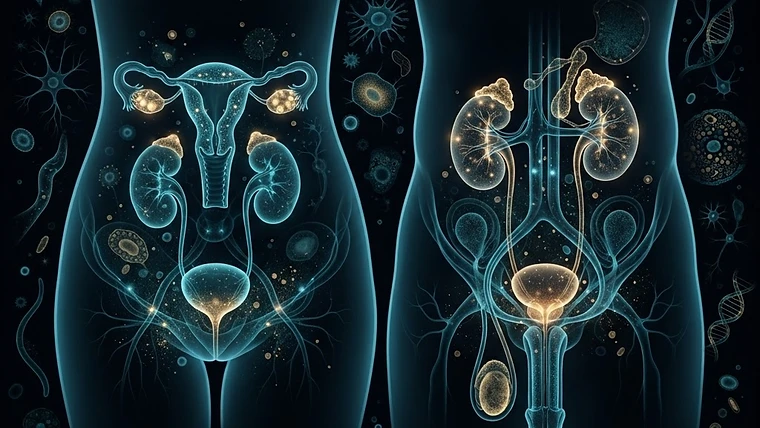
Evidence context
This article is an educational research review. Associations do not prove causation, and medical decisions should be made with qualified healthcare professionals using the underlying cited evidence.
Topic overview
Cancer and parasites research overviewIn the vast landscape of oncology research, investigators continue to explore the multifaceted origins of cellular mutation and tumor development. Among the many variables under scrutiny, the relationship between bladder cancer and parasites has emerged as a topic of significant historical and scientific interest. While the primary drivers of bladder malignancy are often identified as chemical exposures, genetic predispositions, or chronic irritation, researchers are increasingly looking at the potential role of biological agents, including microorganisms, in the development of urinary tract pathologies. Understanding these connections requires a nuanced look at epidemiology, chronic inflammation, and the ways in which host-pathogen interactions evolve over time. This article aims to summarize the current landscape of research concerning bladder cancer and parasites for educational purposes. Please note that this information is intended for educational purposes only and does not constitute medical advice, diagnosis, or treatment. Always consult with your oncology team regarding specific medical concerns. ## The Historical Context of Parasitic Infection The investigation into bladder cancer and parasites largely traces its roots back to the identification of Schistosoma haematobium, a flatworm prevalent in certain tropical and subtropical regions. For decades, epidemiological studies have highlighted a strong correlation between the prevalence of this specific parasite and the incidence of squamous cell carcinoma of the bladder in affected populations. Unlike the more common urothelial cell carcinomas observed in Western populations, the cancers associated with schistosomiasis are linked to chronic, long-standing parasitic infection within the bladder wall. Scientists believe this connection is rooted in the body's immune response to the parasite. When the fluke deposits eggs within the tissues, it triggers a cascade of chronic inflammation. This constant state of repair and cellular turnover is thought to potentially facilitate genetic mutations over time. It is important to emphasize, however, that these observations are limited to specific geographical and environmental contexts. The association between bladder cancer and parasites is not a universal constant, but rather a focused area of study that helps researchers understand how chronic inflammatory states, regardless of their source, can contribute to oncogenesis. ## Understanding Chronic Inflammation and Cellular Change The mechanisms linking bladder cancer and parasites primarily revolve around the concept of chronic inflammation. Our immune system is designed to respond to invaders with precision; however, when an infection becomes chronic, the immune response does not fully resolve. In the bladder, this may involve: * The continuous recruitment of inflammatory cells (such as macrophages and lymphocytes) to the site of infection. * The production of reactive oxygen species (ROS) and reactive nitrogen species (RNS) by immune cells. * A process of repeated tissue damage followed by compensatory cell proliferation. * The potential alteration of the local microenvironment, which may favor cellular instability. As cells divide rapidly to repair damaged tissue, the likelihood of replication errors increases. When these errors occur in critical areas of the genome, it can lead to the uncontrolled growth patterns characteristic of malignancy. While surgery, chemotherapy, and radiation remain standard modalities in the current oncology toolkit, it is essential for patients to discuss these options with their healthcare team. These standard treatments, while designed to target malignant cells, also affect healthy cells in the surrounding area, and understanding the risks and benefits of any intervention is a vital part of the patient-provider dialogue. ## Modern Research: Beyond the Classic Association As genomic sequencing and microbiology have advanced, the conversation surrounding bladder cancer and parasites has shifted from purely epidemiological observation to a deeper molecular analysis. Researchers are now looking at the broader 'microbiome' of the bladder. For many years, the bladder was thought to be a sterile environment, but emerging science explores the presence of a diverse array of microbial life within the urinary tract. While the focus on traditional parasites like S. haematobium remains relevant for global health, scientists are now asking if other, less obvious microscopic organisms play a role in promoting or modifying the environment of the bladder. The complexity of the immune system means that the interplay between a host and these microbes is rarely straightforward. In some studies, researchers are looking at whether certain microbial byproducts might contribute to the signaling pathways that keep cells in a state of 'alert' or chronic irritation. This is a burgeoning field of study that moves beyond the simple question of whether a parasite is present to the more complex question of how the entire microbial landscape influences cellular health. ## The Complexity of Causation and Correlation When discussing bladder cancer and parasites, it is vital to distinguish between correlation and causation. Not every individual exposed to a parasitic organism will develop cancer; in fact, the vast majority do not. This suggests that other factors—such as host genetics, dietary influences, environmental chemical exposure, and the overall robustness of the individual's immune system—play a critical role. The 'two-hit' hypothesis or the 'multi-step' model of cancer development often suggests that many factors must align for a cell to transition into a malignant state. Parasitic infection might represent one such factor in a larger, highly complex puzzle. Therefore, science approaches these links with caution. By analyzing these biological associations, researchers are not aiming to simplify the cause of cancer, but rather to broaden our understanding of the many systemic triggers that may influence tumor initiation and progression. ## A Cautious Approach to Health Science As we learn more about how pathogens influence our biological systems, it is natural for patients and families to seek answers regarding their own health risks. However, it is essential to remember that current medical consensus on cancer origins is broad and multifaceted. If you are navigating a cancer diagnosis, focus on the evidence-based strategies provided by your oncology team. Advancements in immunotherapy, targeted therapy, and precision medicine are increasingly allowing clinicians to tailor care to the specific molecular profile of a tumor, regardless of its original trigger. Never delay or abandon standard medical care in favor of alternative approaches without a thorough discussion with a licensed medical professional. The integration of traditional medicine with supportive lifestyle strategies is a personal decision that should always be made with the guidance of experts who understand your unique medical history. ## Going Deeper As we continue to unravel the intricate biological pathways that connect internal and external factors to oncological conditions, the research remains a work in progress. For those interested in exploring the broader scientific theories regarding microbial influences, you can visit the main cancer and parasites guide for a comprehensive overview of the current scientific discussions. For a more detailed synthesis of these concepts, the book "The Parasite-Cancer Connection" by James Young, RN, serves as a significant resource that delves into the history, the scientific literature, and the ongoing dialogue surrounding these complex topics.
Frequently asked questions
Is bladder cancer always caused by parasites?
No. Most bladder cancer cases are attributed to factors such as smoking, chemical exposures, and genetic risks. The association with parasites is limited to specific types of chronic infections occurring in certain geographical regions.
Can I be tested for parasites if I have bladder cancer?
If you are concerned about your medical history or the potential origin of your condition, you should discuss testing options with your oncologist or a specialist in infectious diseases.
How do parasites contribute to the risk of bladder cancer?
Research suggests that chronic inflammation resulting from persistent parasitic infection can lead to continuous tissue damage and repair, which may increase the risk of cellular mutation over time.
Is the link between bladder cancer and parasites a concern in the US?
The specific parasite associated with bladder cancer (Schistosoma haematobium) is not endemic to the United States. Therefore, this specific association is rarely a clinical concern in the North American population.