Bone Cancer and Parasites: Exploring Emerging Scientific Links
Could there be an underlying connection between bone cancer and parasites? We examine current research perspectives on how parasitic infections may influence systemic health and cellular environments.
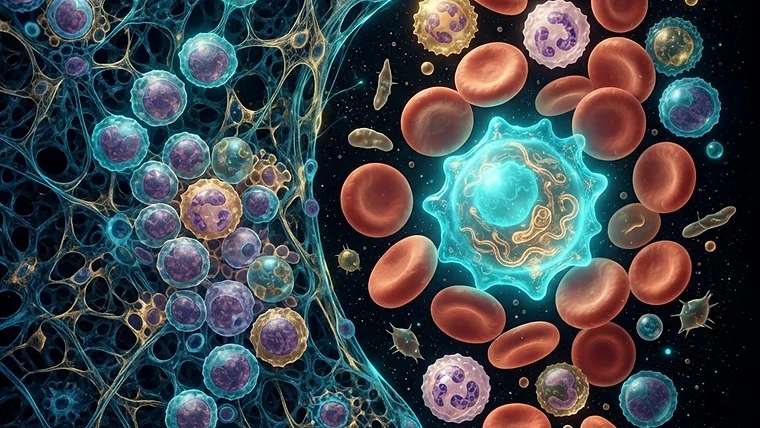
Evidence context
This article is an educational research review. Associations do not prove causation, and medical decisions should be made with qualified healthcare professionals using the underlying cited evidence.
Topic overview
Cancer and parasites research overviewIn the vast landscape of oncology, researchers are constantly looking for the missing pieces of the puzzle that explain how malignant growths originate and proliferate. One area that has sparked intense academic curiosity involves the relationship between bone cancer and parasites. While mainstream medicine has long focused on genetics and environmental toxins, emerging science explores how foreign biological entities, specifically parasites, might play an indirect role in the cellular environment of the human body. It is important to state from the outset that this content is for educational purposes only and is not medical advice. Always consult with your oncology team regarding your specific health situation and standard treatment options.
The Biological Landscape of Bone Cancer
Bone cancer, whether primary or metastatic, involves the uncontrolled division of cells within the skeletal structure. Conventional oncology approaches often involve chemotherapy, radiation, and surgical intervention. While these standard medical treatments are designed to target rapidly dividing cells, it is well-known that such interventions affect both diseased and healthy cells. Understanding the complexity of the bone microenvironment is crucial. Many scientists are now asking if the presence of chronic, low-grade infections or parasitic loads could alter the immune system's ability to monitor these cellular changes. This inquiry into the link between bone cancer and parasites suggests that we should consider the body as a holistic system where infectious agents might create an environment conducive to inflammation or systemic stress.
Exploring the Connection Between Bone Cancer and Parasites
Research regarding bone cancer and parasites generally focuses on how these organisms interact with the host's immune surveillance. Some studies indicate that certain parasites can modulate the immune response, effectively creating a 'blind spot' that may hinder the body's natural mechanisms for detecting aberrant cell growth. If the immune system is distracted or exhausted by a long-term parasitic burden, it may be less efficient at identifying cancerous precursors in the bone marrow or cortical bone.
Furthermore, the metabolites produced by certain parasitic organisms have been subject to analysis. Some emerging science explores whether these substances can induce local chronic inflammation in the bone tissue. Chronic inflammation is a known risk factor in various oncological processes, as it promotes continuous tissue repair and cellular turnover, which can increase the likelihood of DNA mutation errors. When we discuss bone cancer and parasites, we are not suggesting a direct cause-and-effect relationship in the traditional sense, but rather a complex interaction that warrants further academic scrutiny.
Potential Mechanisms of Interaction
To understand why researchers look at the interplay of bone cancer and parasites, we must look at how parasites navigate the human anatomy. Many parasitic organisms possess sophisticated survival strategies, including the ability to migrate to various tissues and manipulate host signaling pathways. Key areas of study include:
- Alteration of local pH levels in bone tissue, which can influence osteoclast and osteoblast activity.
- Systemic immune exhaustion caused by persistent chronic infection.
- Induction of epigenetic modifications in host cells due to prolonged exposure to parasite-derived proteins.
- Competition for essential nutrients that are otherwise used by the body for cellular repair and maintenance.
By examining these factors, scientists hope to clarify whether these biological stressors contribute to the vulnerability of the skeletal system to oncological transformation.
Evaluating Standard Treatment Protocols
It is vital to emphasize that standard cancer treatments like chemotherapy and radiation are the result of decades of clinical research. They remain the primary tools for managing malignancies. When navigating a cancer diagnosis, patients often face the difficult reality of the trade-offs inherent in these treatments. Chemotherapy, while effective at targeting malignancy, can induce severe fatigue and immune suppression. Readers should have open, honest discussions with their oncologists about the risks and benefits of these interventions. Research into the link between bone cancer and parasites should never lead a patient to abandon conventional care. Instead, this information is intended to deepen the patient's understanding of the various factors that influence their systemic health during the recovery process.
The Role of Systemic Health
Maintaining systemic homeostasis is a significant challenge for any individual fighting a serious disease. The presence of hidden biological burdens, such as parasitic organisms, can place a heavy load on the liver, the lymphatic system, and the overall inflammatory response. Some educational frameworks suggest that by reducing the overall 'toxic load' on the body, patients may potentially improve their resilience during the intensive healing process. This is why clinicians and health advocates are increasingly interested in investigating every aspect of a patient's biological history, including potential exposure to various environmental and internal pathogens.
Addressing the Complexity of Diagnosis
Diagnosing the presence of parasites in the context of a bone cancer diagnosis is notoriously difficult. Standard blood panels and imaging techniques used in oncology are often not designed to detect the specific, low-grade parasitic presence that some researchers suspect may complicate clinical outcomes. Because of this, it is easy for these factors to be overlooked. This scientific gap is precisely why the conversation about bone cancer and parasites remains so vital in modern alternative and integrative research circles. It forces us to look beyond the tumor site and consider the host as a dynamic entity shaped by internal and external biological interactions.
A Balanced Perspective on Future Research
As we move forward, the goal of this research is not to create fear but to broaden the diagnostic toolkit of modern medicine. By understanding whether there is a correlation between bone cancer and parasites, we may eventually reach a point where personalized care plans include assessments for these hidden burdens. However, as of now, the science is still developing, and associations do not equate to proof. The path forward requires rigorous, peer-reviewed clinical trials that specifically investigate these variables with the same level of intensity as we currently apply to genetic sequencing and immunotherapy development.
Going Deeper
For those who wish to explore these concepts in greater detail, it is essential to access high-quality resources that synthesize modern research with biological theory. You can find comprehensive information by visiting the main cancer and parasites guide. Additionally, for a deep dive into the historical and emerging theories surrounding these hidden influences, the book "The Parasite-Cancer Connection" by James Young, RN, serves as a significant resource for those looking to understand the broader scientific discourse on this subject. Remember that your health journey is unique; continue to work closely with your medical team to integrate new information safely and effectively into your care plan.
Frequently asked questions
Is there a direct causal link between bone cancer and parasites?
Current research describes associations and potential influences, but there is no definitive evidence suggesting that parasites directly cause bone cancer. Emerging science continues to explore how parasites might influence the immune system and inflammatory markers.
Should I test for parasites if I have been diagnosed with bone cancer?
You should discuss all diagnostic testing and concerns with your oncology team. They are in the best position to determine which diagnostic paths are safe and relevant for your specific treatment plan.
Can treating parasites help my bone cancer treatment work better?
There is no scientific consensus that parasite-focused protocols improve the efficacy of standard oncology treatments. Always prioritize your established cancer care plan and consult your doctor before adding any new health interventions.
Why is the topic of bone cancer and parasites gaining more attention?
Researchers are increasingly looking at the role of the microbiome and chronic infection in oncology. The focus on bone cancer and parasites is part of a broader shift toward understanding how systemic biological stressors might influence cancer progression and immune response.