Bowel Cancer and Parasites: Exploring Emerging Research
Is there a link between bowel cancer and parasites? We explore the emerging scientific research regarding the complex biological interactions in the human gut.
Evidence context
This article is an educational research review. Associations do not prove causation, and medical decisions should be made with qualified healthcare professionals using the underlying cited evidence.
Topic overview
Cancer and parasites research overviewUnderstanding the Microbiome Landscape
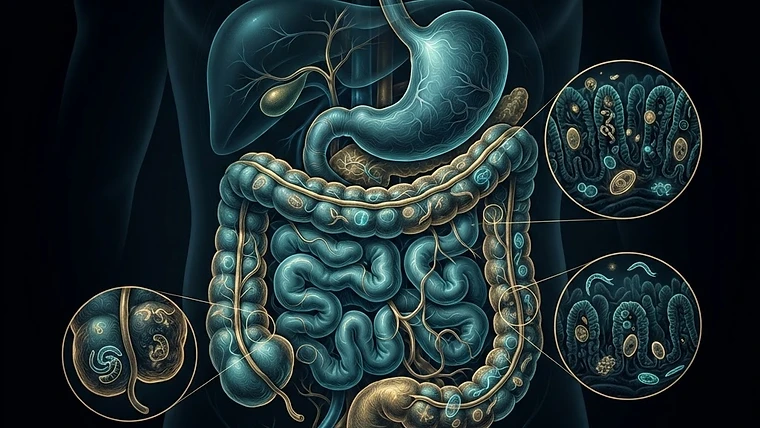
The human digestive tract is a complex ecosystem, home to trillions of microorganisms, including bacteria, viruses, fungi, and occasionally, larger organisms such as helminths and protozoa. As modern medicine continues to map the intricate relationships within this "second brain," researchers have begun to look more closely at the potential associations between bowel cancer and parasites. This exploration is not about establishing direct causation, but rather about understanding the biological environment that may contribute to chronic inflammation, immune system modulation, and long-term tissue changes.
It is important to state that this content is for educational purposes only and is not medical advice. Readers should never delay or abandon standard medical care for bowel cancer. When discussing standard treatments like chemotherapy, radiation, or surgery, it is essential to acknowledge that these interventions are designed to address malignant cells, though they may also affect surrounding healthy tissue. Patients should always engage in open, detailed conversations with their oncology teams regarding the risks, benefits, and personalized trade-offs of any prescribed clinical path.
The Biological Interaction
When we investigate the connection between bowel cancer and parasites, we are essentially looking at how foreign biological agents interact with the gut lining over long periods. Some studies indicate that certain parasitic infections can trigger chronic inflammatory responses. Inflammation, by its very nature, involves the recruitment of immune cells and the release of various cytokines, which can lead to cellular turnover. Emerging science explores whether this persistent environmental stress on the gut wall might, in some individuals, provide a backdrop for abnormal cellular growth.
Furthermore, the gut microbiome is not a static environment. It is a highly competitive space. When an external parasite establishes a niche, it may disrupt the balance of commensal bacteria—the 'friendly' microbes that protect our gut integrity. If the barrier function of the intestinal wall is compromised, the body may become more susceptible to other environmental stressors. The dialogue between bowel cancer and parasites centers on whether these biological disruptions can serve as a catalyst for deeper systemic health shifts.
Chronic Inflammation and Cellular Stress
One of the primary mechanisms researchers focus on when evaluating bowel cancer and parasites is the role of chronic low-grade inflammation. The immune system is highly effective at identifying 'non-self' entities, such as helminths. However, if an organism is difficult to eradicate, the immune system remains in a state of 'on-alert.' This constant state of heightened activity can lead to oxidative stress, which may damage DNA or interfere with the normal pathways of cellular repair.
While this does not prove that every instance of colonization will result in malignancy, researchers are curious about the cumulative effects of these processes. Some scientific papers suggest that the persistence of parasitic infections might contribute to a micro-environment that is more permissive to the development of polyps or other dysplastic changes. By studying these interactions, scientists hope to better understand the early warning signs of gastrointestinal distress.
Key Factors in Research
Researchers investigating bowel cancer and parasites often look at several critical factors:
- Duration of infection: Does the length of time an organism persists in the gut correlate with higher tissue stress?
- Immune modulation: How do specific parasites 'hide' from the immune system, and what does this do to our overall defense mechanisms?
- Secondary metabolic changes: Do the waste products or metabolic byproducts of these organisms alter the chemical landscape of the colon?
- Co-factors: How do diet, genetic predisposition, and environmental toxins influence the interplay between biological pathogens and cellular stability?
A Complex Clinical Picture
It is vital to recognize that the human body is remarkably resilient. Not every individual harboring a parasite develops clinical symptoms, and certainly, not every case of gastrointestinal illness involves a parasitic component. Bowel cancer is a multi-factorial condition. Genetics, lifestyle, aging, and dietary patterns play massive roles in the etiology of the disease. Therefore, when looking at bowel cancer and parasites, we must avoid reductionist views.
We must view these findings as pieces of a much larger puzzle. The goal of this research is not to replace current oncology protocols, but to provide a more comprehensive view of human health. As we learn more, physicians may eventually develop more nuanced screening techniques that account for the diverse spectrum of organisms living within us, potentially leading to more personalized monitoring for those with specific risk factors.
Moving Forward with Caution
As we continue to navigate the intersection of parasitology and oncology, we must maintain a focus on evidence-based inquiry. The scientific community is constantly evolving. What we understand today about the gut environment will likely be refined by the discoveries of tomorrow. It is essential for patients to rely on their primary healthcare providers and oncology specialists, who are best equipped to interpret how these research findings might or might not apply to an individual's specific health narrative.
Going Deeper
For those interested in exploring the scientific literature further, the main cancer and parasites guide provides an extensive repository of information on this topic. Additionally, you can find a deeper dive into the historical and emerging perspectives on this subject in the book "The Parasite-Cancer Connection" by James Young, RN, which serves as a vital resource for anyone looking to bridge the gap between niche research and broader public health conversations. Always ensure you are consulting your healthcare professional before making any decisions regarding your wellness journey.
Frequently asked questions
Can parasites directly cause bowel cancer?
Current research suggests that while certain parasites contribute to chronic inflammation, which is a risk factor for cellular damage, it does not prove a direct causative relationship for cancer in every individual.
What is the relationship between bowel cancer and parasites?
The relationship is primarily explored through the lens of chronic inflammation, immune system modulation, and the potential disruption of the gut microbiome, which may affect long-term tissue health.
Should I be tested for parasites if I have bowel cancer?
This is a question to discuss with your oncology team. They will determine the appropriate diagnostic tests based on your specific clinical presentation and medical history.
Does treating parasites help with bowel cancer treatment?
There is no clinical evidence to support the idea that treating parasites replaces standard oncology care. Any change to your medical regimen should be managed exclusively by your professional medical team.