Understanding the Cancer and Parasites Connection
Exploring the emerging scientific dialogue surrounding the cancer and parasites connection and how microscopic invaders might influence biological terrain.
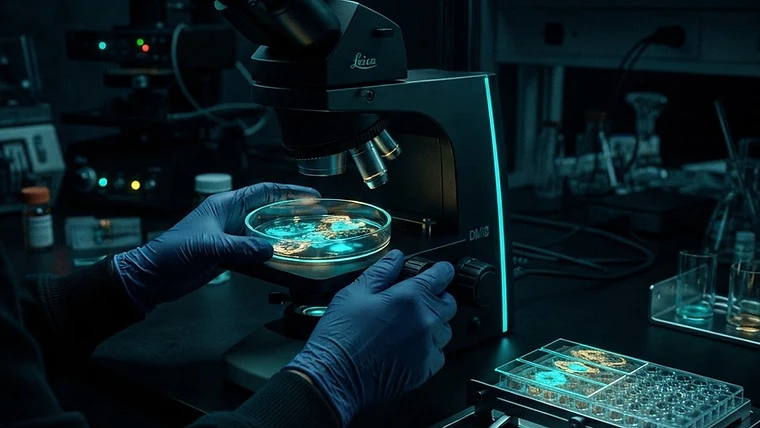
Evidence context
This article is an educational research review. Associations do not prove causation, and medical decisions should be made with qualified healthcare professionals using the underlying cited evidence.
Topic overview
Cancer and parasites research overviewIntroduction: A Complex Biological Intersection
For decades, the standard medical model has primarily focused on the genetic mutations and uncontrolled cellular proliferation that define cancer. However, as scientific inquiry deepens, researchers are beginning to look at the broader biological landscape in which these cells exist. One of the most intriguing and debated areas of contemporary inquiry is the cancer and parasites connection. This field of study does not suggest that parasites are the sole cause of malignancy, but rather invites us to consider how chronic infections and biological stressors might impact the internal environment of the host. The study of the cancer and parasites connection remains an emerging domain, one that requires a cautious and nuanced approach to understanding how microorganisms interact with human biology over long periods.
Chronic Inflammation and the Microenvironment
To understand the cancer and parasites connection, one must first understand the role of chronic inflammation. It is well-documented in medical literature that persistent inflammation can lead to DNA damage, which is a significant factor in cellular dysfunction. When a parasitic infection takes hold, the body’s immune system is forced to engage in a continuous, low-grade defensive posture. Some researchers hypothesize that this state of chronic immune activation might create a localized microenvironment conducive to abnormal cellular behavior.
In the context of the cancer and parasites connection, the focus is often on how specific helminths or protozoa might trigger signaling pathways that disrupt normal apoptosis, or programmed cell death. When the body is preoccupied with managing a foreign pathogen, the resources typically allocated for cellular maintenance and immune surveillance may be compromised. It is essential to emphasize that these associations are strictly observational. There is no definitive proof that a parasite causes a specific malignancy; instead, the question is how the host-parasite interaction might alter the landscape in a way that allows for oncogenic progression.
Historical Context and Modern Research
Interest in the cancer and parasites connection is not entirely new. Throughout the 20th century, various clinicians observed that certain parasites—particularly those that reside in the liver or bile ducts—were associated with higher rates of specific cellular changes in those tissues. These findings sparked early interest in the cancer and parasites connection, leading to ongoing investigations into how chronic irritation from foreign entities might predispose tissues to structural shifts.
Modern research utilizes high-throughput sequencing to identify the microbiome and the presence of microorganisms that were previously invisible to standard diagnostic tools. By cataloging the various pathogens residing within or near tumors, scientists are refining their understanding of the cancer and parasites connection. While these studies are compelling, they serve as a reminder that correlation does not equal causation. The biological terrain of a human being is incredibly complex, and pinning down the specific influence of a parasite requires rigorous longitudinal studies that account for diet, genetics, environmental toxins, and lifestyle factors.
The Complexity of Standard Medical Care
When navigating a diagnosis involving cellular growth, patients often encounter standard medical interventions such as chemotherapy, radiation, or surgery. It is vital to note that these treatments are designed to address the primary disease by targeting rapidly dividing cells. However, because these methods can also affect healthy cells, they carry significant physical and emotional trade-offs. The scientific community is currently evaluating how the immune system's state during treatment—which may be influenced by sub-clinical infections—might affect the overall outcome of these therapies. Patients should always engage in open, transparent discussions with their oncology team regarding the full scope of their health and any concerns about their biological environment.
Mechanisms of Interaction
What mechanisms might be at play? The cancer and parasites connection is often analyzed through several lenses:
- Metabolic Reprogramming: Some parasites alter the way a host processes nutrients, potentially starving healthy cells while providing a surplus of energy for damaged ones.
- Immune Modulation: Parasites are experts at evading the immune system; some studies suggest they may suppress the very surveillance mechanisms the body uses to identify and clear mutated cells.
- Chronic Stress: The physical demand of harboring a parasite may lead to oxidative stress, which contributes to the breakdown of cellular DNA integrity.
- Secretion of Metabolites: Parasitic waste products or secretions might act as signaling molecules that influence the behavior of surrounding tissues.
A Note on Educational Framing
This content is for educational purposes only and does not constitute medical advice, diagnosis, or treatment. None of the information presented here should be interpreted as a claim that parasites cause, cure, or contribute directly to the development of cancer. Readers are encouraged to prioritize conventional medical guidance provided by licensed oncology professionals and should never delay or abandon standard care in favor of unverified alternative theories.
Moving Forward with Scientific Rigor
As we look to the future, the goal of research into the cancer and parasites connection is to gain a more complete picture of the human host. If we can better understand the various environmental, genetic, and microbial factors that contribute to health, we may eventually improve patient outcomes. However, it is imperative to remain skeptical of any claims that suggest a simple 'one-size-fits-all' explanation for such a multifaceted disease. The intersection of oncology and parasitology is a field that requires patience, significant funding, and a commitment to data-driven discovery.
Going Deeper
If you are interested in exploring this topic further, you can visit the main cancer and parasites guide for a comprehensive overview of current discussions. For those who want an in-depth examination of the history and scientific inquiry surrounding these concepts, we recommend reading "The Parasite-Cancer Connection" by James Young, RN, which serves as a valuable resource for understanding the complexities of this evolving field of study.
Frequently asked questions
Does scientific research prove a link between parasites and cancer?
Current research indicates there are associations between certain chronic infections and cellular changes, but there is no scientific consensus that proves a direct causal link.
Can treating parasites stop cancer progression?
No medical evidence suggests that treating parasites will stop or reverse cancer. Patients should follow the advice of their oncology team regarding standard care.
Why is the cancer and parasites connection a subject of study?
Researchers study this connection to better understand how chronic inflammation and the overall biological terrain might influence the development and progression of diseases.