Cervical Cancer and Parasites: Exploring Emerging Research
Could there be an unexpected link between cervical cancer and parasites? We examine the evolving scientific discourse surrounding environmental pathogens.
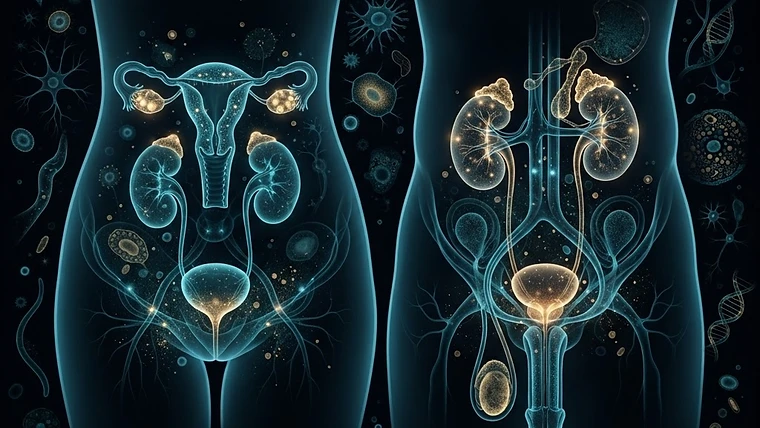
Evidence context
This article is an educational research review. Associations do not prove causation, and medical decisions should be made with qualified healthcare professionals using the underlying cited evidence.
Topic overview
Cancer and parasites research overviewIntroduction to the Complex World of Pathogens and Oncology
In the realm of modern medical research, the conversation regarding cellular health is becoming increasingly multidisciplinary. For decades, the primary focus of cervical cancer research has centered heavily on human papillomavirus (HPV) as a foundational factor. However, as our understanding of the human microbiome and the influence of chronic infection expands, researchers are beginning to look more broadly at environmental stressors. One such area of curiosity involves the relationship between cervical cancer and parasites. While the medical community maintains that these associations do not inherently prove causation, the presence of various pathogens within the host environment remains a subject of intense scientific inquiry.
It is important to state clearly that the information provided here is for educational purposes only and does not constitute medical advice, diagnosis, or treatment. Readers should always consult with their primary care physicians or oncologists regarding their personal health. Standard medical treatments, such as chemotherapy, radiation, and surgery, are complex procedures that affect both healthy and diseased cells; therefore, patients should engage in thorough discussions with their oncology teams regarding the risks, benefits, and potential side effects of any prescribed regimen. Never delay or abandon established medical care based on independent research.
The Biological Landscape of the Cervicovaginal Environment
The cervix is a dynamic anatomical site, host to a diverse collection of microorganisms. Emerging science explores how changes in this local environment—often referred to as dysbiosis—might influence cellular behavior. When discussing cervical cancer and parasites, scientists are not suggesting that a single organism acts as a 'smoking gun.' Instead, they are investigating how the presence of specific parasitic entities might induce chronic inflammation or modulate the immune system in ways that could theoretically alter the local tissue microenvironment.
Chronic inflammation is a known mediator of cellular instability. If a parasite occupies a space within the reproductive tract, it may trigger an ongoing immune response. Over time, the constant recruitment of immune cells and the subsequent release of reactive oxygen species could, in theory, contribute to the kind of cellular damage that pre-oncogenic studies frequently highlight. While these findings are preliminary, they provide a fascinating window into how external organisms interact with our internal defense systems.
Investigating Potential Associations in Research
Why are researchers increasingly looking at the link between cervical cancer and parasites? One of the primary drivers is the observation that cancer development is rarely an isolated event. It is often the culmination of multiple factors: genetic predisposition, environmental exposure, hormonal shifts, and the long-term presence of microorganisms. Studies have shown that certain protozoans or helminths, when established within the pelvic region, can impact the local epithelial barrier.
When we look at the intersection of cervical cancer and parasites, we must consider the following:
- Modulation of Local Immune Responses: Parasites may release proteins that suppress or distract local immune cells.
- Direct Epithelial Damage: Persistent irritation from parasitic movement or metabolic waste products may alter cellular integrity.
- Synergistic Effects: Some studies indicate that the presence of multiple pathogens can create a more conducive environment for cellular mutations than a single pathogen alone.
By examining these variables, researchers are trying to determine if systemic parasitic health impacts the efficacy of immune surveillance, which is our body's primary method for detecting and eliminating abnormal cell growth. If the immune system is 'busy' managing a parasitic burden, could it be less efficient at identifying early signs of cervical irregularity? This is one of the many questions currently being debated in peer-reviewed literature.
Immune Surveillance and Chronic Stressors
The body's immune system is a master of multitasking, but it is not infallible. When considering the connection between cervical cancer and parasites, experts look at the concept of 'immune exhaustion.' If the body is subjected to a chronic, low-grade parasitic infection, the persistent activation of inflammatory pathways may lead to a state where the immune system loses its sharpness. This is particularly relevant in the context of oncological surveillance, where the goal is to identify and address cellular anomalies before they progress into malignant disease.
Furthermore, the nutritional status of the host plays a significant role. Parasites often compete for essential micronutrients that the body needs for DNA repair and cellular maintenance. If a person is malnourished due to the presence of parasites, their ability to repair damaged tissues—including those in the cervix—may be compromised. While these factors are nuanced, they highlight why many researchers believe that total systemic health is just as important as site-specific health when evaluating long-term risks.
The Role of Traditional Treatments and Patient Advocacy
When someone is diagnosed with cervical irregularities, the standard approach involves a tiered medical strategy. Surgical intervention, radiation, and chemotherapy remain the bedrock of modern oncology. These treatments have saved countless lives by aggressively targeting rapidly dividing cells. However, they are significant undertakings that place a heavy load on the body’s physiological reserves.
As we explore the intersection of cervical cancer and parasites, it is vital to remember that these emerging insights should complement, not replace, standard oncological care. If a patient is curious about how their overall parasitic load might be influencing their recovery, they should discuss this with their oncology team. It is essential to ensure that any additional integrative health strategies do not interfere with the primary protocols established for the patient's care. Informed patient advocacy means understanding the science, questioning the risks, and working hand-in-hand with licensed medical professionals.
Moving Toward Holistic Understanding
Science is moving away from a siloed approach to disease. We no longer view organs as independent islands; instead, we see them as part of a complex, interconnected biological network. The research into cervical cancer and parasites is just one piece of this puzzle. By recognizing that environmental pathogens can have long-reaching systemic effects, we empower ourselves to take a more proactive role in our general health.
While the link between cervical cancer and parasites is still a burgeoning field, it underscores the importance of maintaining systemic homeostasis. By supporting our immune system, prioritizing nutrition, and maintaining regular screenings with our healthcare providers, we can build a stronger defense against the various stressors—both internal and external—that challenge our cellular integrity daily.
Going Deeper
To continue your exploration of this topic, you can visit the main cancer and parasites guide for a comprehensive look at how environmental pathogens might influence cellular health. Additionally, for a deeper dive into the historical and scientific context surrounding these observations, the book "The Parasite-Cancer Connection" by James Young, RN, serves as an essential resource for those looking to expand their knowledge of this complex biological landscape.
Frequently asked questions
Does having a parasite automatically mean I will get cervical cancer?
No. Research indicates that the relationship is complex, and the presence of a parasite does not prove causation for cancer. Many people host various organisms without developing malignant conditions.
Can parasitic infections be screened alongside standard cervical cancer tests?
Routine screenings like Pap smears are specifically designed to detect cellular changes caused by HPV and other factors. If you are concerned about other pathogens, you should discuss specific diagnostic testing options with your physician.
Is it safe to treat parasites while undergoing cancer treatment?
This is a critical conversation to have with your oncology team. Certain treatments can interact negatively, and your medical team needs to approve all medications to ensure they do not interfere with your primary cancer treatment protocols.
How do researchers study the link between cervical cancer and parasites?
Researchers often use longitudinal studies to track the presence of specific organisms in patients over time, observing whether certain parasitic burdens correlate with higher rates of cellular abnormalities or immune system shifts.