Colon Cancer and Parasites: Exploring Scientific Connections
Is there a link between colon cancer and parasites? We examine the emerging research, biological mechanisms, and why this remains a complex field of study.
Evidence context
This article is an educational research review. Associations do not prove causation, and medical decisions should be made with qualified healthcare professionals using the underlying cited evidence.
Topic overview
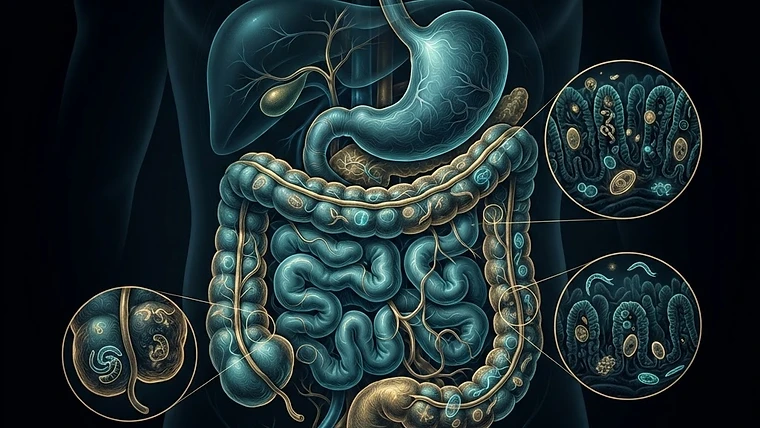
Cancer and parasites research overviewThe intersection of human biology and microorganisms has long been a subject of fascination for the scientific community. When considering the complex landscape of colorectal health, one question that frequently arises is the relationship between colon cancer and parasites. While the primary drivers of oncogenesis are often linked to genetic mutations, lifestyle factors, and environmental exposures, emerging research invites us to consider whether the presence of parasitic organisms might play a role in the microenvironment of the digestive tract. This article aims to explore the current scientific landscape surrounding this topic, emphasizing that all discussions are for educational purposes and should not be construed as medical advice. It is essential to consult with your oncology team regarding all aspects of health. The relationship between parasites and colon cancer is nuanced. Some studies indicate that certain helminths and protozoa may induce chronic inflammation within the gastrointestinal tract. Chronic inflammation is widely recognized by medical professionals as a potential contributor to cellular stress. When tissues are subjected to prolonged inflammatory responses, the turnover of epithelial cells can sometimes lead to an accumulation of mutations over time. Researchers are particularly interested in how these parasites interact with the gut microbiome. The gut is a densely populated ecosystem, and any disruption to this balance, such as an infection, might theoretically alter the chemical signaling pathways within the colon. Understanding how colon cancer and parasites might interact requires a look at the concept of the 'host-parasite relationship.' Parasites have evolved over millennia to survive within their hosts, often by modulating the host's immune response to avoid detection. This immune modulation is a critical area of study. If a parasite dampens the local immune response to protect itself, it might inadvertently create a environment where abnormal cells could evade immune surveillance. This does not imply that parasites directly cause cancer, but it does highlight why investigators continue to study these biological cross-talk mechanisms. While we explore these theories, it remains vital to remember that standard medical treatments, such as surgery, chemotherapy, and radiation, remain the cornerstones of conventional oncology. These treatments, while aggressive, are designed to target rapidly dividing cells. Because these interventions can impact healthy tissue, it is crucial for patients to discuss the specific trade-offs and treatment goals with their oncology specialists to determine the best path forward. Clinical studies have documented instances where individuals suffering from various gastrointestinal issues were concurrently diagnosed with parasitic infections. In these cases, researchers look to see if the infection preceded the malignancy or if the malignancy made the host more susceptible to infection. The complexity of this chicken-and-egg scenario is exactly why research into colon cancer and parasites remains so active today. Some theories suggest that the physical irritation caused by certain intestinal worms could contribute to long-term tissue damage. This damage requires the body to constantly repair itself, a process that inherently involves cellular division. Every time a cell divides, there is a small chance for a transcription error, and while the body has robust repair mechanisms, sustained stress increases the complexity of these biological dynamics. Another perspective involves the metabolic output of parasites. Many organisms release various metabolites into their environment. Scientists are investigating whether these metabolic byproducts could influence the gene expression of surrounding colonocytes. By analyzing stool samples and biopsy tissue, researchers aim to catalog the specific micro-environments created during these infections. It is important to note that many people carry parasitic infections without experiencing significant symptoms or developing serious illness. The severity of an infection, the duration, and the host's underlying genetic predispositions are all significant variables. This variation explains why there is no uniform experience, and why the link between parasites and colon cancer remains a subject of ongoing debate rather than a settled medical fact. Science is a process of refinement, and as our diagnostic technologies improve—specifically in metagenomics and high-resolution imaging—we are gaining a clearer window into how these interactions occur. For those navigating a diagnosis, it is essential to focus on evidence-based care provided by your medical team. Relying on experimental theories in place of conventional, proven therapies can lead to missed windows of opportunity. Always integrate any health concerns you may have, including questions about your digestive health, into your regular check-ups with your physician. As we continue to dissect the relationship between colon cancer and parasites, we must remain balanced. We are learning that the human body is not a closed system but an active, responsive environment influenced by everything from the food we eat to the microscopic inhabitants of our intestines. Future research will likely focus on the role of 'bystander' organisms in the gut and how their presence might influence the overall trajectory of colorectal health. Whether through improving diagnostic speed or identifying new biomarkers for early screening, the goal remains the same: to better understand the mechanisms that lead to cancer so that outcomes can be improved. Science suggests that the environment of the colon is a delicate balance of immune cells, beneficial bacteria, and structural integrity. Disruptions, whether from diet or infections, can have downstream effects. By viewing colon cancer and parasites through the lens of systematic biology, we avoid reductionist thinking and embrace the complexity required for true scientific advancement. Always remember that any changes to your treatment plan should be made under the strict supervision of your healthcare provider. Never substitute professional medical guidance with individual reading or experimental theories.
Going deeper
If you want the full picture of how parasitic infection, chronic inflammation, and immune function may shape cancer risk, explore the main cancer and parasites guide. James Young, RN's book "The Parasite-Cancer Connection" goes far deeper into the research behind every question raised in this article.
Frequently asked questions
Can parasites directly cause colon cancer?
Current research does not definitively link parasites as a direct cause of colon cancer. However, studies investigate whether chronic inflammation caused by long-term infections may contribute to a cellular environment that supports cancer development.
Is there a diagnostic test for colon cancer and parasites?
Standard colon cancer screenings, such as colonoscopies, look for polyps and tumors. Testing for parasites is usually performed separately through stool analysis if a physician suspects an infection. These are two distinct medical processes.
Should I be tested for parasites if I have a family history of colon cancer?
Testing for parasites is typically reserved for those exhibiting symptoms of an active infection. A family history of colon cancer warrants regular, age-appropriate screenings as recommended by your oncologist or gastroenterologist.
How do I distinguish between symptoms of parasites and colon cancer?
Symptoms like abdominal pain, changes in bowel habits, or weight loss can overlap. It is impossible to distinguish between them without clinical diagnostic testing, which is why medical consultation is essential.