Colorectal Cancer and Parasites: Exploring Scientific Links
Could there be a connection between colorectal cancer and parasites? We examine the emerging research exploring the potential biological links between intestinal pathogens and gut health.
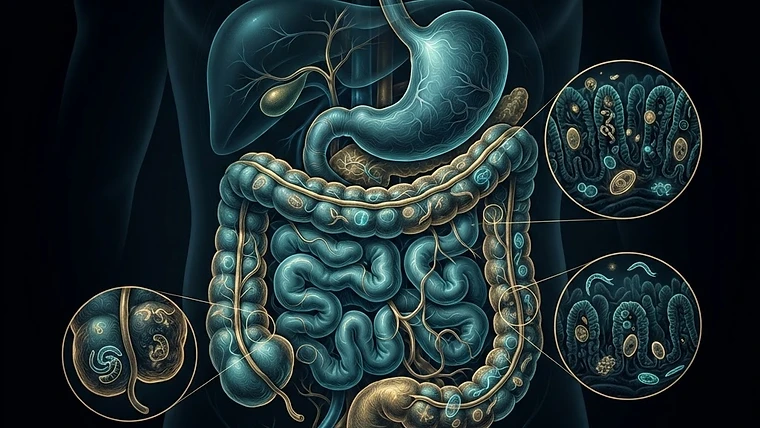
Evidence context
This article is an educational research review. Associations do not prove causation, and medical decisions should be made with qualified healthcare professionals using the underlying cited evidence.
Topic overview
Cancer and parasites research overviewIntroduction to Colorectal Cancer and Parasites
The human intestinal tract is a complex, bustling ecosystem. While we often focus on the importance of beneficial bacteria, a growing area of scientific inquiry looks at the broader landscape of the microbiome, including organisms that may not be so friendly. Researchers and curious observers alike have begun to ask if there is an intersection between colorectal cancer and parasites. This article aims to explore these relationships through an educational lens, looking at what the current data suggests regarding how intestinal dwellers might influence host tissue, inflammation, and cellular health.
It is important to note from the outset that the field of oncology is incredibly intricate. Associations are not the same as causation. This content is for educational purposes only and is not medical advice. Always discuss concerns regarding digestive health or oncology protocols with your professional healthcare team.
Understanding the Gut Microenvironment
To understand why researchers investigate colorectal cancer and parasites, one must first appreciate the delicate balance of the gut. The intestines are lined with a dynamic layer of epithelial cells that are constantly renewing themselves. When this environment is disrupted, chronic inflammation can occur. Inflammation is a known facilitator of cellular stress, and science continues to look at how chronic low-grade inflammation may contribute to the long-term health of the intestinal wall.
Some studies indicate that certain organisms, including protozoa and helminths, can trigger immune responses that alter this mucosal lining. While the body has robust defense mechanisms, prolonged interaction with invasive organisms can, in some experimental models, lead to localized changes in tissue behavior. The question remains: how do these specific organisms interact with the pathways that regulate cell growth and repair?
Emerging Scientific Associations
Research regarding colorectal cancer and parasites often centers on the concept of 'chronic mucosal irritation.' When an organism establishes itself within the gastrointestinal tract, the immune system may mount a response. This response is meant to eliminate the threat, but it also releases a variety of chemicals and enzymes. In certain laboratory settings, these biological byproducts have been observed to affect the surrounding cellular environment.
Furthermore, some researchers are examining whether the presence of specific parasitic species might influence the composition of the healthy microbiome. If the 'good' bacteria are suppressed or displaced, the protective barrier of the gut may become compromised. This hypothesis is currently being tested in various epidemiological and biological studies to see if such shifts provide a niche for other types of cellular instability. It is a nascent field, and scientists are cautious not to overstate the impact of these microorganisms compared to well-established genetic and lifestyle factors.
The Role of Inflammation in Gastrointestinal Health
Inflammation is a double-edged sword. In the short term, it is the body's way of fighting infection. However, when it becomes chronic, the persistent activation of immune cells can lead to a 'wear and tear' effect on tissue. When we consider the relationship between colorectal cancer and parasites, we must look at how specific organisms sustain this inflammatory state.
Several studies have shown that:
- Certain intestinal parasites can modulate the host immune system to survive, potentially dampening or redirecting the body's natural defense signals.
- Chronic presence of intestinal pathogens may lead to architectural changes in the intestinal mucosa.
- The metabolic waste products of some organisms might interact with the cellular signaling pathways involved in cell cycle regulation.
While these points are subjects of active research, they highlight why the scientific community continues to prioritize the study of the gut environment. Understanding the full scope of how the microbiome impacts the host is a massive puzzle, and every piece of data regarding foreign organisms is a valuable contribution.
Standard Medical Care and Oncological Treatment
It is vital to address the current standard of care. When a patient is diagnosed with cancer, medical professionals rely on protocols such as surgery, chemotherapy, and radiation. These treatments are designed to target rapidly dividing cells. Because they affect both diseased and healthy cells, they can cause significant stress on the body.
Patients are often encouraged to discuss the specific trade-offs of these treatments with their oncology team. The decision-making process is personal and should be based on clinical evidence, tumor staging, and the patient's unique health profile. None of the research regarding the connection between parasites and cancer suggests that patients should delay or abandon conventional treatments. Integrating holistic health awareness into your life is one thing, but clinical care is the backbone of managing serious health conditions.
The Complexity of the Human Microbiome
The microbiome is not just made of bacteria. It consists of viruses, fungi, and occasionally, multicellular parasites. The interplay between these groups is highly individual. What affects one person’s gut chemistry may not have the same impact on another. This variability makes it difficult to draw universal conclusions about colorectal cancer and parasites, as individual genetics and environmental factors play significant roles in how the gut handles foreign intruders.
Future research aims to map these interactions with greater precision, potentially using advanced genomic sequencing to identify the presence of organisms that might not be visible through standard clinical diagnostic tools. By gaining a deeper understanding of these hidden factors, the medical community hopes to better grasp the risk factors associated with gastrointestinal malignancies.
The Importance of Holistic Perspective
While science dissects the mechanical and biological links between colorectal cancer and parasites, it is helpful to maintain a holistic view of human health. Gut health is supported by factors that include dietary patterns, hydration, sleep, and the management of chronic stress. These lifestyle pillars do not 'treat' cancer, but they are known to support the resilience of the body.
Maintaining a balanced environment in the gut is a worthwhile goal for anyone interested in long-term wellness. If you suspect an issue, working with a gastroenterologist or a qualified medical professional who can perform proper testing is the safest and most effective way to address concerns. Avoiding self-diagnosis is essential, as many symptoms of parasitic infection overlap with other benign or serious digestive conditions.
Going Deeper
For those seeking to understand the breadth of current literature on this topic, it is essential to look at the research through an objective lens. We encourage you to explore the main cancer and parasites guide to see how these theories are being documented in contemporary scientific discourse. Additionally, the book "The Parasite-Cancer Connection" by James Young, RN, serves as an invaluable resource for those who wish to dive into the deeper narratives and potential connections being explored by researchers in this field. As we continue to study the intricacies of the human body, we hope that such resources help you stay informed and curious.
Frequently asked questions
Can parasites cause colorectal cancer?
Research suggests an association between certain parasitic infections and chronic inflammation, which is a known factor in cellular health, but there is no direct proof that parasites alone cause cancer.
How do parasites affect the gut environment?
Some studies indicate that parasites may alter the intestinal mucosal lining and shift the composition of the microbiome, potentially leading to long-term inflammatory responses.
Should I be tested for parasites if I have colorectal issues?
If you are experiencing persistent digestive symptoms, you should consult your doctor. They can determine if testing is appropriate based on your clinical symptoms and medical history.
Is there a link between colorectal cancer and parasites in modern research?
Yes, emerging science continues to explore how intestinal pathogens interact with host immunity and the cellular environment, marking a growing area of interest in oncological research.