Endometrial Cancer and Parasites: Exploring the Research
Could there be a hidden link? We explore the complex interplay between endometrial cancer and parasites from an educational research perspective.
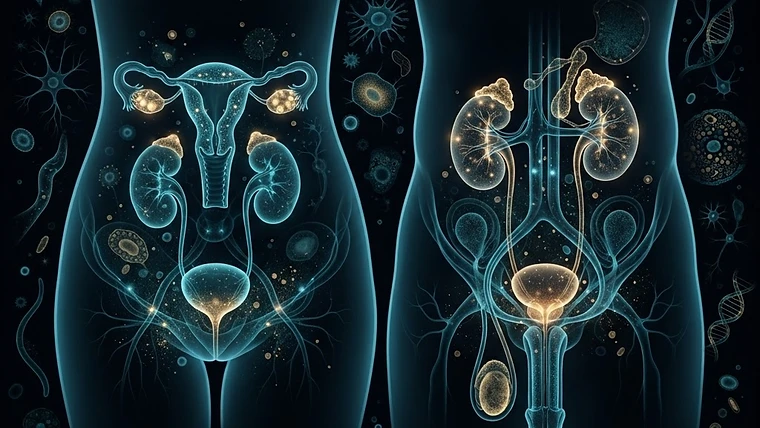
Evidence context
This article is an educational research review. Associations do not prove causation, and medical decisions should be made with qualified healthcare professionals using the underlying cited evidence.
Topic overview
Cancer and parasites research overviewThe landscape of modern oncology is constantly shifting as researchers look beyond traditional models of cellular mutation to explore the complex environmental factors that influence human health. One emerging area of interest involves the potential intersection of endometrial cancer and parasites. While the medical community has long understood that persistent inflammation can impact tissue health, the role of microscopic organisms in systemic health remains a topic of active investigation. This article explores the current scientific dialogue surrounding this connection, providing a foundational understanding for those interested in the latest research. Please note that the content presented here is for educational purposes only and is not medical advice. Always consult with your healthcare provider for clinical concerns.
Understanding the Endometrium and Cellular Environments
The endometrium, or the inner lining of the uterus, is a highly dynamic tissue that undergoes significant changes throughout a person's life. Like any other organ system, its health is maintained by a delicate balance of hormonal signaling and immune regulation. When researchers study endometrial cancer, they look at how this balance is disrupted, leading to the uncontrolled growth of cells. A growing body of scientific literature suggests that chronic infections, including those caused by certain parasites, may alter the local environment of the endometrium, potentially setting the stage for cellular stress.
The Hypothesis of Chronic Inflammation
One of the primary mechanisms researchers cite when discussing endometrial cancer and parasites is the role of chronic inflammation. When the body hosts a parasite, the immune system is often kept in a state of high alert. While this response is intended to clear the invader, it can also lead to long-term tissue irritation. Emerging science explores whether this prolonged state of immune activity might inadvertently damage host cells or interfere with the body's natural processes for repairing damaged tissue. The concern is not necessarily the parasite itself, but the lingering effects of the immune system trying to manage the presence of these organisms over months or even years.
How Parasites Might Alter the Microbiome
Recent advancements in understanding the human microbiome have opened new doors for researchers. The uterus is no longer considered a sterile environment, and its local microbial flora is thought to play a role in maintaining endometrial health. Some studies indicate that the presence of an unwanted parasitic infection can significantly shift the balance of the uterine microbiome. When this balance is disturbed, it can create a metabolic environment that may favor abnormal cellular behavior. Investigating the link between endometrial cancer and parasites involves analyzing how these shifts in microbial populations might disrupt essential cellular communication pathways.
Existing Research and Scientific Limitations
It is important to emphasize that while associations have been noted, associations do not prove causation. Much of the research currently available is observational, meaning that researchers have identified patterns but have not yet established a direct causal mechanism. Furthermore, the complexities of the human immune system make it difficult to isolate a single cause for any cancer. Current standard treatments, such as surgery, radiation, and chemotherapy, remain the primary pillars of care for those diagnosed with cancer. It is vital to remember that these clinical treatments are designed to target rapidly dividing cells, and while they may cause strain on healthy tissue, patients should discuss the specific trade-offs, potential side effects, and available options directly with their oncology team. Never abandon or delay standard medical care based on theoretical research.
Exploring Common Pathways: Endometrial Cancer and Parasites
Why might a parasite choose this specific environment? Some researchers believe that the nutrient-rich, protected nature of the pelvic cavity makes it a unique target. By residing in or near the reproductive tract, certain organisms may secrete metabolic byproducts that interfere with normal cellular signaling. These potential pathways are currently being mapped in labs worldwide:
- Interference with cellular apoptosis: A process where cells are supposed to die naturally when they are no longer healthy.
- Modulation of hormone receptors: The endometrium is highly responsive to hormones, and parasitic byproducts might interfere with how these signals are received.
- Disruption of tissue repair cycles: Chronic exposure to waste products from parasites may impair the regeneration of healthy cells.
A Cautious Approach to New Findings
As we look deeper into the relationship between endometrial cancer and parasites, it is essential to maintain a balanced perspective. The field of oncology is filled with many variables, including genetics, diet, environmental exposures, and lifestyle factors. While the prospect of identifying a parasitic connection is intriguing, it is only one piece of a much larger, more complex puzzle. Readers should remain skeptical of any claims that suggest a single 'fix' or 'cure' for complex diseases like cancer. The scientific method requires decades of peer-reviewed validation before specific associations can be translated into clinical practice.
The Importance of Holistic Research
What does the future of this research look like? Researchers are increasingly using high-throughput sequencing to look for DNA markers of various organisms within tissue samples. This technology allows scientists to catalog the presence of parasites and other pathogens in samples that were previously thought to be 'clean.' By mapping these findings against patient history, the global scientific community hopes to gain a clearer picture of how environmental and biological stressors contribute to the development of disease. Engaging with this research helps patients become more informed advocates for their own health, provided that information is always cross-referenced with medical professionals.
Going Deeper
If you want to continue your learning journey regarding the intersection of systemic health and environmental factors, there is much more to explore. For a comprehensive overview, we encourage you to visit the main cancer and parasites guide. Additionally, for those interested in a structured, book-length examination of these concepts, "The Parasite-Cancer Connection" by James Young, RN serves as an excellent resource for understanding how these dynamics have been framed throughout history and within contemporary literature. Remember, always stay informed and consult with your medical team regarding your personal health journey.
Frequently asked questions
Is there a proven link between endometrial cancer and parasites?
Current science identifies associations between chronic inflammation and cellular health, but research has not yet proven a direct causative link between specific parasites and the development of endometrial cancer.
Should I be tested for parasites if I have been diagnosed with cancer?
Diagnostic testing should always be directed by your oncology team. They will determine the appropriate steps based on your specific health history and standard clinical guidelines.
Can treating parasites help with endometrial cancer outcomes?
There is no clinical evidence to suggest that treating a parasitic infection alters the course of cancer. Patients should prioritize their established oncology treatment plan and discuss any concerns about concurrent infections with their doctors.
Are there symptoms of a parasitic infection in the uterus?
Symptoms of parasitic infections are often vague and can mimic many other conditions, such as pelvic pain or changes in menstrual cycles. Because these symptoms are non-specific, it is essential to undergo professional diagnostic testing.