Exploring the Link: Esophageal Cancer and Parasites
Could there be an underlying link between esophageal cancer and parasites? We examine the emerging research exploring these potential associations.
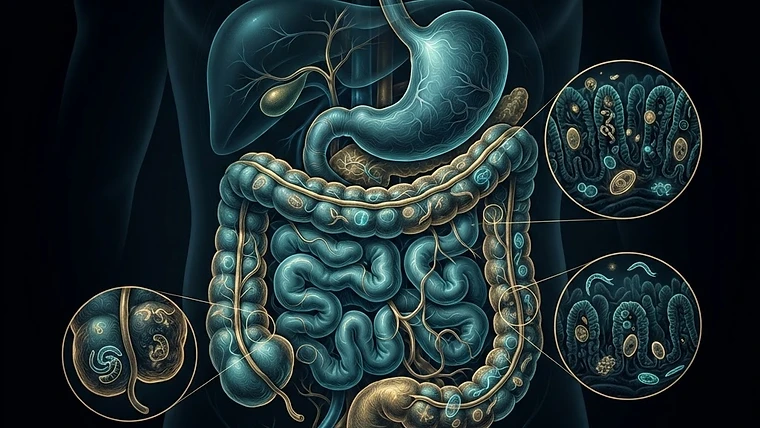
Evidence context
This article is an educational research review. Associations do not prove causation, and medical decisions should be made with qualified healthcare professionals using the underlying cited evidence.
Topic overview
Cancer and parasites research overviewIn recent years, the scientific community has begun to broaden its lens regarding the origins of oncological development. While genetics, environmental factors, and lifestyle choices remain primary areas of study, emerging research is increasingly looking into the role of the microbiome and chronic inflammation. One area of growing interest in this complex field is the study of esophageal cancer and parasites. As researchers look deeper into the biological landscape of the human digestive tract, the presence of various organisms has sparked questions about how they might interact with host tissue over long durations. This article explores the current state of science regarding esophageal cancer and parasites, focusing on biological mechanisms and historical observations in the field of parasitology. It is important to note that the information provided here is strictly for educational purposes and does not constitute medical advice. Readers should never delay or abandon standard medical care in favor of alternative theories. When dealing with serious conditions like cancer, standard interventions—including chemotherapy, radiation, and surgery—are designed to target rapidly dividing cells. While these treatments affect both healthy and diseased cells, they remain the established standard of care, and any discussion regarding them or potential underlying factors should be handled in close coordination with a professional oncology team. Understanding the relationship between esophageal cancer and parasites requires a look at chronic inflammation. Chronic irritation of the esophageal lining is a well-documented risk factor for the development of squamous cell carcinoma and adenocarcinoma. Whether caused by acid reflux, tobacco use, or alcohol consumption, the constant state of cellular repair and turnover can lead to mutations over time. Some researchers hypothesize that the presence of certain parasitic organisms within the upper gastrointestinal tract might contribute to this chronic inflammatory environment. When parasites inhabit the lumen of the esophagus or the surrounding tissues, the host immune system is often alerted. This localized immune response can manifest as sustained tissue irritation. While the body attempts to manage the presence of these organisms, the resulting chemical signaling and oxidative stress are variables that some scientists believe could be relevant to the broader study of cellular health. It is critical to distinguish between correlation and causation. The mere presence of an organism does not prove that it is a causative agent for malignancy. However, the study of esophageal cancer and parasites encourages us to ask how these organisms influence the internal environment where cancer may eventually manifest. Certain helminths, for example, are known to modulate the host immune system. By creating an environment that favors their own survival, these organisms might alter the local microenvironment in ways that are not yet fully understood. Some studies indicate that the interaction between the immune system and long-term parasitic colonization could potentially impact how esophageal cells respond to other environmental carcinogens. Research in this area is still in its infancy, and much of the current knowledge comes from observing geographical regions where certain parasites are endemic. In regions with high rates of specific parasitic infections, epidemiologists have sometimes noted higher incidences of various gastrointestinal malignancies. However, these associations could be driven by a multitude of confounding factors, such as diet, sanitation, soil quality, or access to clean water. Therefore, when looking at esophageal cancer and parasites, we must remain cautious about drawing direct conclusions. The field of oncology is rapidly evolving, and researchers are increasingly focused on how the 'hallmarks of cancer'—such as sustained proliferative signaling and the evasion of growth suppressors—might be influenced by the presence of external organisms. If parasites are present in the esophageal microenvironment, do they secrete metabolites that affect epithelial cell stability? Could they interfere with apoptosis, the programmed death of damaged cells? These are the types of questions driving current investigations. Beyond the potential for direct inflammation, some researchers consider the concept of 'molecular mimicry' or the way parasites might influence the expression of proteins that are otherwise involved in cell cycle regulation. It is a dense and complicated field that requires longitudinal studies and rigorous methodology to move from hypothesis to understanding. When discussing any potential link between esophageal cancer and parasites, it is essential to keep a clear view of the standard medical landscape. Patients diagnosed with esophageal cancer often face rigorous treatment protocols. Chemotherapy and radiation, while necessary for targeting tumor growth, carry significant physiological impacts. It is vital for patients to discuss the risks and potential benefits of any intervention with their doctors, ensuring that all aspects of their care are evidence-based and managed by a multidisciplinary team. Exploring these topics, including the study of esophageal cancer and parasites, can provide patients and their families with a broader framework to ask informed questions during medical consultations. The more we understand about the human body, the more we realize that it is a complex ecosystem. Our biological health is likely determined by a web of interactions between our genetics, our environment, and the trillions of microorganisms that reside within or upon us. The study of oncology is moving toward a more holistic understanding of this ecosystem, and the future of research will likely continue to explore the nuances of these biological relationships. In conclusion, the intersection of esophageal cancer and parasites remains an area of scientific curiosity rather than established clinical fact. While the prospect of identifying new environmental or biological triggers for cancer is compelling, we must rely on rigorous, peer-reviewed clinical data. By staying informed, curious, and closely engaged with medical professionals, individuals can navigate their health journeys with a more comprehensive perspective. ## Going deeper The study of the biological environment is constantly evolving. If you wish to learn more about the broader implications of these topics, we encourage you to visit the main cancer and parasites guide for a comprehensive overview of current research. Additionally, for a more detailed examination of these concepts and the theories surrounding organism-host interactions, "The Parasite-Cancer Connection" by James Young, RN serves as an excellent resource for those looking to expand their understanding of these complex connections.
Frequently asked questions
Is there a known link between esophageal cancer and parasites?
Current research is exploring how chronic inflammation caused by various environmental factors, potentially including parasitic infections, might contribute to esophageal tissue changes, but no direct causative link has been established.
Should I be tested for parasites if I have esophageal cancer?
Diagnostic testing should always be guided by your oncology team. They will determine the appropriate screening protocols based on your specific clinical presentation and medical history.
Can parasitic infections cause esophageal cancer directly?
There is currently no scientific consensus that parasites directly cause esophageal cancer; research focuses on how chronic inflammation or immune modulation might create an environment that influences cellular health over time.