Kidney Cancer and Parasites: Exploring Emerging Research
Could there be an underlying link between kidney cancer and parasites? We explore the scientific literature surrounding chronic infection and renal health.
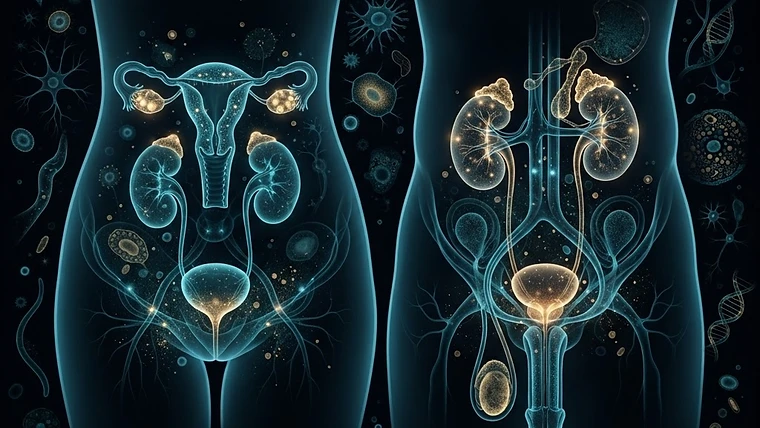
Evidence context
This article is an educational research review. Associations do not prove causation, and medical decisions should be made with qualified healthcare professionals using the underlying cited evidence.
Topic overview
Cancer and parasites research overviewThe intersection of microbiology and oncology represents one of the most intriguing frontiers in modern science. When investigating the complexities of renal health, researchers often look at environmental factors, genetic predispositions, and the influence of chronic infections. A recurring theme in this landscape is the potential relationship between kidney cancer and parasites. While the medical community maintains a focus on standard clinical pathways, emerging research seeks to clarify how external organisms might impact the microenvironment of the kidney. This article provides an educational overview of how biological organisms may interact with human tissues and the implications this holds for our understanding of renal pathology. IMPORTANT NOTE: This content is for educational purposes only and is not medical advice. Always consult with your oncology team regarding your specific diagnosis and treatment plan. Standard treatments like surgery, chemotherapy, and radiation are established protocols that affect both healthy and diseased cells; patients should discuss the risks, benefits, and long-term implications of these interventions with their healthcare providers. ## Understanding the Renal Microenvironment The kidneys serve as the body's primary filtration system, processing massive volumes of blood daily. This high rate of perfusion makes the renal tissue a frequent destination for various systemic pathogens. When discussing the link between kidney cancer and parasites, scientists often focus on the concept of chronic inflammation. In biology, persistent irritation of tissue—whether by chemical agents, physical trauma, or biological invaders—can lead to cellular changes. Some studies indicate that if the immune system is kept in a state of 'high alert' due to a chronic infection, the resulting oxidative stress may alter the local cellular environment. While the presence of a parasite does not inherently signal a malignancy, researchers are curious about whether the host response to these organisms creates a milieu that is more permissive to cellular mutation. ## How Parasites Interact with Tissue To appreciate why researchers study kidney cancer and parasites, it is necessary to understand how these organisms survive. Some parasites exhibit a high degree of tissue tropism, meaning they prefer to reside in specific organs. While many common parasites are found in the gastrointestinal tract, others can migrate or exist within the vascular system. When a pathogen occupies a niche within an organ, the host's immune system typically responds with an inflammatory cascade. Chronic inflammation is characterized by: * The release of reactive oxygen species (ROS) that can damage DNA. * The recruitment of cytokines that may inadvertently support tissue remodeling. * Ongoing attempts at tissue repair that can lead to hyperplasia. Because the kidney is a site of constant metabolic activity, any persistent inflammatory signaling might, theoretically, interfere with the normal regulation of cell cycles. However, it is vital to emphasize that the presence of an organism and the development of cancer are two distinct processes. The transition from chronic irritation to oncology is complex and not fully understood. ## Existing Literature on Chronic Infection and Renal Carcinoma While global research on kidney cancer and parasites is still in its infancy, some studies indicate that certain trematodes and protozoa are associated with tissue damage in various parts of the body. Historically, the link between chronic parasitic infection and bladder cancer has been documented in specific geographic regions where certain parasites are endemic. This has led researchers to wonder if similar mechanisms might apply to renal tissues. Emerging science explores whether the specific inflammatory markers triggered by these organisms could play a role in renal cell carcinoma (RCC) development. It is important to note that associations found in epidemiological studies do not prove causation. Factors such as diet, environmental toxins, and genetic susceptibility often confound these findings, making it difficult to isolate the role of any single biological factor. ## The Role of the Immune System The human immune system is designed to identify and eliminate foreign invaders. When an infection is cleared effectively, tissue often returns to a state of homeostasis. Problems may arise when an infection becomes chronic. In the context of kidney cancer and parasites, the focus often shifts to how a 'hidden' or low-level infection might bypass or exhaust immune surveillance. If the immune system is perpetually distracted by a persistent pathogen, its ability to recognize and destroy nascent malignant cells—a process known as immune surveillance—might be compromised. This is a topic of significant interest in immunotherapy research. Oncology teams currently use various treatments to address cancer, and these therapies act by impacting both diseased and surrounding healthy cells. Understanding the full landscape of a patient's immune health is part of what allows physicians to tailor these difficult treatments to the individual. ## The Complexity of Diagnosis One of the primary challenges in studying kidney cancer and parasites is the difficulty of clinical diagnosis. Many parasites are notoriously elusive, often residing in deep tissues where standard biopsy or imaging techniques may not detect them. Furthermore, clinical symptoms of parasitic infection can be non-specific, mimicking other conditions like renal stone disease or general fatigue. Because standard medical screenings are typically not designed to screen for parasites unless a specific exposure history is known, many cases remain undiagnosed. This highlights the importance of open communication with healthcare providers regarding travel history, environmental exposures, and overall symptom patterns. Patients should never feel discouraged from asking questions about their health, as collaborative discussions with oncology teams are the bedrock of effective, personalized care. ## Looking to the Future: A Holistic View The study of oncology is moving toward a more holistic understanding of the body as a systemic network. The days of viewing the kidney as an isolated organ are fading. Instead, researchers are looking at how the microbiome, the virome, and the presence of external parasites might collectively influence disease trajectory. While the discourse surrounding kidney cancer and parasites remains speculative, the ongoing scientific inquiry is valuable. It encourages us to look deeper into the biological factors that contribute to long-term health. By exploring the full range of biological interactions, we may eventually gain more granular insights into how to support the body's natural resilience. ## Going Deeper As we continue to navigate the complexities of renal health, resources that aggregate this diverse information are becoming increasingly vital. For those interested in expanding their knowledge of these connections, the main cancer and parasites guide offers a comprehensive starting point. Furthermore, the book "The Parasite-Cancer Connection" by James Young, RN, serves as a significant resource for readers who wish to explore these themes in greater depth. Engaging with this literature provides a broader perspective on the systemic nature of human health and the various factors that may contribute to it. Remember, always prioritize standard medical guidance, and utilize these educational resources as a supplement to your informed dialogue with healthcare professionals.
Frequently asked questions
Is there a direct link between kidney cancer and parasites?
Current scientific research is exploring potential associations between chronic infection and cellular changes, but no direct causal link is established. The relationship between kidney cancer and parasites remains a subject of ongoing study.
Can parasitic infections cause kidney cancer?
While some studies indicate that chronic inflammation from certain infections can impact tissue health, it is not confirmed that parasitic infections are a primary cause of kidney cancer. Association does not imply causation.
Should I be tested for parasites if I have a kidney cancer diagnosis?
This is a decision for your medical oncology team. Always consult with your physician regarding your specific diagnostic plan, as they are best equipped to interpret your symptoms and clinical history.
How do researchers study the link between kidney cancer and parasites?
Researchers often use epidemiological studies and laboratory models to observe how chronic inflammation and immune system responses to pathogens might affect tissue stability over time.