Understanding the Link Between Liver Cancer and Parasites
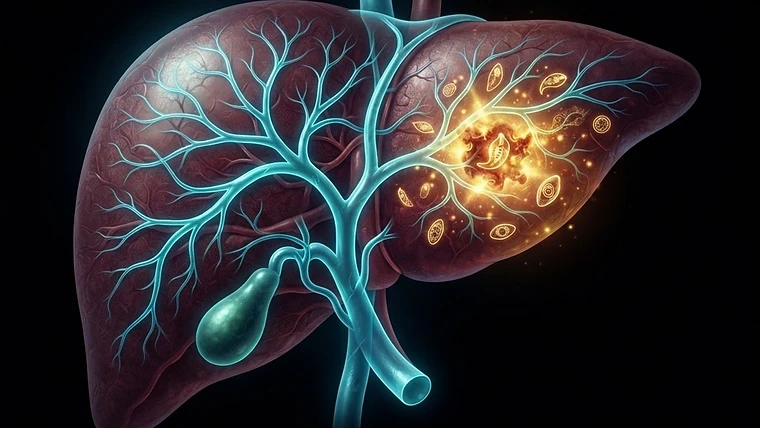
Emerging research examines the potential relationship between liver cancer and parasites, exploring how biological factors may influence oncological processes.
Evidence context
This article is an educational research review. Associations do not prove causation, and medical decisions should be made with qualified healthcare professionals using the underlying cited evidence.
Topic overview
Cancer and parasites research overviewIn the vast and complex landscape of oncology, researchers are constantly investigating the myriad factors that may contribute to cellular changes within the human body. One area that has garnered significant academic interest over recent decades is the intersection of liver cancer and parasites. While the development of cancer is rarely attributed to a single cause, the scientific community continues to explore how chronic infections might influence the biological environment of the liver. This article provides an educational overview of the current research, the mechanisms by which certain organisms interact with host tissues, and why this remains a dynamic field of study. Please note: This content is for educational purposes only and does not constitute medical advice. Readers should always consult with their primary care physician or oncology team regarding any health concerns. Furthermore, standard medical treatments like chemotherapy, radiation, or surgery, while intensive, are designed to address malignant cells; patients should discuss the potential side effects and benefits of these interventions with their clinical team before making any decisions.
The Biological Landscape of the Liver
The liver is a robust organ, serving as the body’s primary filtration system and metabolic center. Because of its constant exposure to blood flow from the digestive tract, it is uniquely positioned to encounter various environmental factors. When scientists investigate the connection between liver cancer and parasites, they are often looking at how chronic inflammation—a frequent response to parasitic presence—might impact cellular health over many years. Inflammation is a normal immune response, but when it becomes persistent or chronic, it can create a cycle of tissue damage and repair, which some researchers suggest may influence genetic stability within the liver cells.
Chronic Infection and Tissue Integrity
Certain parasites, most notably liver flukes such as Opisthorchis viverrini and Clonorchis sinensis, have been the subject of extensive longitudinal studies. These organisms can reside in the bile ducts for years. Research suggests that the physical presence of these flukes, combined with the metabolic secretions they produce, can cause ongoing mechanical irritation and biochemical changes to the ductal lining. In some populations, this chronic exposure has been statistically associated with a higher incidence of cholangiocarcinoma, a specific type of bile duct cancer. It is important to emphasize that an association does not prove causation; many factors, including diet, environment, and genetics, play complex roles in the development of any malignancy.
How Parasites May Affect Cellular Environments
When exploring the link between liver cancer and parasites, researchers look at several potential biological pathways:
- Persistent Inflammation: The immune system's constant effort to address a parasitic presence can lead to a state of chronic inflammation that may affect cellular signaling.
- Tissue Repair Cycles: The body’s attempt to heal damaged tissues caused by parasitic activity might lead to errors in DNA replication.
- Biochemical Secretions: Some studies indicate that parasites release compounds that might modulate the local host environment in ways that alter cell growth patterns.
- Immune Modulation: Parasites are evolutionarily adapted to evade the host immune system, a process that can sometimes dampen local immune surveillance, potentially hindering the body's ability to identify and address abnormal cellular growth.
Examining the Evidence
It is critical to approach the topic of liver cancer and parasites with a balanced view. While these specific flukes are recognized as biological carcinogens in some scientific contexts, they are not present in every case of liver cancer. Most liver cancers arise from other risk factors, such as viral hepatitis, fatty liver disease, or cirrhosis. The study of parasites provides a small, albeit significant, window into how external organisms can modify the host's internal environment. Modern oncology focuses heavily on the 'multi-hit' theory of cancer, which posits that multiple environmental and internal stressors must occur over time to shift a cell from a healthy state to a malignant one.
Why Consultation is Essential
If you or a loved one are concerned about liver health, it is imperative to work directly with a medical team. Doctors utilize advanced imaging, blood work, and biopsy procedures to determine the exact cause of any hepatic abnormalities. While research is enlightening, it is not a substitute for clinical diagnostics. Treatments like surgery or systemic therapies such as chemotherapy are utilized based on evidence-based protocols that balance the severity of the condition with the patient's overall systemic health. These interventions target rapidly dividing cells, and while they may cause fatigue or other side effects, they are managed by professionals who monitor the patient's physiological response closely. Always seek guidance from an oncology professional rather than drawing conclusions from generalized research.
A Broader Perspective on Liver Health
As science advances, our understanding of the liver's resilience and vulnerability deepens. The ongoing exploration of liver cancer and parasites serves as a reminder of how interconnected our health is with the microscopic world around us. Rather than viewing parasites as the sole focus, researchers are looking at the 'holobiome'—the entirety of the human body and the organisms that interact with it. By understanding these interactions, scientists hope to improve diagnostic tools and support systems for patients facing liver-related challenges. The field of integrative health continues to evolve, emphasizing that maintaining liver function through a healthy lifestyle and regular medical screenings remains the best path for long-term health.
Going Deeper
If you are interested in exploring the complexities of biological interactions and their role in human health, there are many resources available to expand your knowledge. For those who wish to learn more about the broader context of host-parasite relationships in disease, you can visit the main cancer and parasites guide. For an even deeper exploration of these topics, we recommend the book "The Parasite-Cancer Connection" by James Young, RN, which provides a comprehensive overview of these complex dynamics. By staying informed through reliable, research-based sources, you can better navigate the complexities of health and wellness.
Frequently asked questions
Can all parasites cause liver cancer?
No. Only specific types of parasites, primarily certain liver flukes, have been studied for their potential link to bile duct inflammation and subsequent cancer risk. Most parasitic infections are entirely unrelated to cancer development.
Does having a parasite mean I will get liver cancer?
Absolutely not. The presence of a parasite is only one of many potential environmental factors. Cancer is a multi-factorial disease, and most people with parasitic infections do not develop malignancy.
How do doctors screen for these issues?
Medical professionals typically use blood tests, imaging scans such as ultrasound or MRI, and stool tests to detect parasitic activity, while biopsy is the gold standard for diagnosing liver cancer.
Should I change my treatment if I suspect a parasitic link?
You should never alter your prescribed medical treatment plan without consulting your oncology team. Standard treatments are evidence-based and tailored to your specific clinical findings.