Parasites and the Gut-Brain Axis: A New Frontier in Metabolic Health
Emerging research explores the complex relationship between parasitic organisms, chronic inflammation, and metabolic conditions like diabetes and cognitive fog.
Evidence context
This article is an educational research review. Associations do not prove causation, and medical decisions should be made with qualified healthcare professionals using the underlying cited evidence.
Topic overview
Cancer and parasites research overviewThe Hidden Dialogue: Parasites, Inflammation, and Your Metabolism
For decades, the scientific community viewed parasites primarily as pathogens to be eradicated. However, a fascinating shift is occurring in the world of immunology and metabolic research. Scientists are now investigating a more nuanced reality: the complex, bidirectional relationship between parasitic organisms, the human immune system, and the metabolic and mental health conditions that define modern life.
As we navigate the complexities of chronic inflammation, neuroinflammation, and the gut-brain axis, the role of these ancient organisms is being re-evaluated. Could the presence of certain organisms be a missing piece in the puzzle of metabolic syndrome, insulin resistance, and even cognitive fog?
The Gut-Brain Axis and Immune Dysregulation
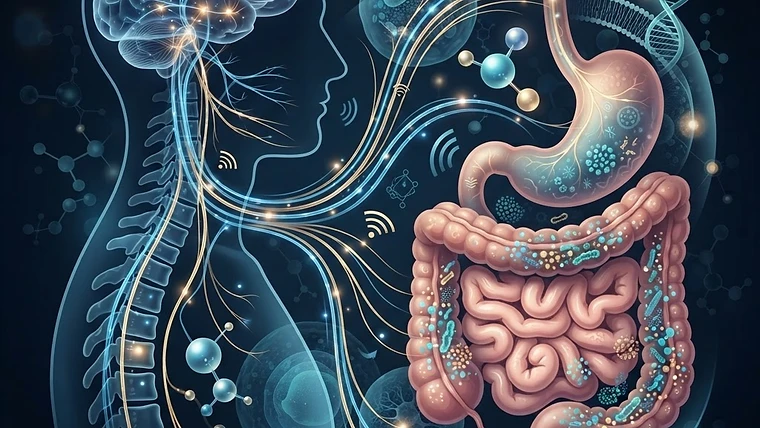
The gut-brain axis is a sophisticated communication network linking the enteric nervous system with the central nervous system. Emerging science explores how this axis acts as a highway for signals—not just from our own cells, but from the vast ecosystem of microbes and organisms residing within us.
When this system is disrupted, the result is often systemic immune dysregulation. Chronic inflammation, often described as "low-grade" or "metabolic inflammation," is a hallmark of many modern health challenges. Research suggests that the presence of various organisms can modulate the release of cytokines—the signaling proteins that govern our immune response. By altering the gut environment, these organisms may influence how our bodies manage stress, mood, and metabolic stability.
Parasites and Metabolic Health: A Paradoxical Relationship
One of the most intriguing areas of current study is the link between parasites and diabetes. While it may seem counterintuitive, some systematic reviews have observed that populations in regions endemic to certain helminths (parasitic worms) show a lower prevalence of metabolic syndrome and type 2 diabetes.
Researchers hypothesize that these organisms may induce a "regulatory" immune response. By suppressing excessive inflammatory pathways, they might inadvertently promote better insulin sensitivity. However, this is not a universal rule. Other studies indicate that different species of parasites, or the presence of unicellular organisms, can have vastly different effects, sometimes aggravating metabolic stress or altering lipid and glycemic levels. The science is far from settled, but it highlights that the interaction between a host and an organism is highly specific and context-dependent.
Neuroinflammation and Mental Well-being
The connection between the gut and the brain extends beyond metabolism. Many people report "cognitive fog," anxiety, or mood disorders alongside digestive issues. This is where the concept of neuroinflammation becomes critical.
When the gut barrier is compromised—a state sometimes referred to as "leaky gut"—inflammatory signals can travel to the brain. Emerging research suggests that parasite-driven dysbiosis (an imbalance in the gut microbiome) can alter the production of key neurometabolites like serotonin and tryptophan. If the gut-brain axis is the highway, these metabolites are the traffic. When the traffic is disrupted, it may manifest as changes in cognitive function or emotional regulation.
Navigating the Complexity
It is important to approach this field with scientific curiosity rather than oversimplification. The human body is an incredibly complex ecosystem. While some studies indicate that certain organisms might modulate inflammation in a way that supports metabolic health, others show that they can contribute to nutritional deficiencies or systemic stress.
We are only beginning to map these interactions. For those interested in a deeper exploration of how these biological connections influence human health, the book The Parasite-Disease Connection by James Young, RN, provides a comprehensive look at the historical and scientific context of these relationships, serving as a valuable resource for those seeking to understand the broader implications of the parasite-disease landscape.
Conclusion
The intersection of parasitology, immunology, and metabolic health is one of the most promising frontiers in modern science. By moving beyond the binary view of "good" versus "bad" organisms, we open the door to a deeper understanding of how our internal environment shapes our external health. As research continues to evolve, we may find that the key to managing chronic conditions lies not in total eradication, but in achieving a state of biological balance.
Frequently Asked Questions
Can parasites actually improve metabolic health?
Some research suggests that certain helminth infections may help regulate immune responses and reduce systemic inflammation, which is linked to improved insulin sensitivity. However, this is a complex area of study, and results vary significantly by parasite species and host health.
How do parasites affect the gut-brain axis?
Parasites can alter the gut microbiome and the integrity of the intestinal barrier. This can lead to changes in the production of neurotransmitters and inflammatory signals that travel to the brain, potentially influencing mood, cognition, and mental health.
Is there a link between parasites and diabetes?
Studies have shown a statistical association between the presence of certain intestinal parasites and metabolic markers. While some data suggests a potential protective effect against type 2 diabetes in specific populations, other research highlights that parasitic colonization can be associated with metabolic complications.
What is metabolic inflammation?
Metabolic inflammation, or "meta-inflammation," is a chronic, low-grade inflammatory state often associated with obesity and metabolic syndrome. It is driven by the immune system's response to metabolic stress and can contribute to insulin resistance and other chronic health issues.
Frequently asked questions
Can parasites actually improve metabolic health?
Some research suggests that certain helminth infections may help regulate immune responses and reduce systemic inflammation, which is linked to improved insulin sensitivity. However, this is a complex area of study, and results vary significantly by parasite species and host health.
How do parasites affect the gut-brain axis?
Parasites can alter the gut microbiome and the integrity of the intestinal barrier. This can lead to changes in the production of neurotransmitters and inflammatory signals that travel to the brain, potentially influencing mood, cognition, and mental health.
Is there a link between parasites and diabetes?
Studies have shown a statistical association between the presence of certain intestinal parasites and metabolic markers. While some data suggests a potential protective effect against type 2 diabetes in specific populations, other research highlights that parasitic colonization can be associated with metabolic complications.
What is metabolic inflammation?
Metabolic inflammation, or "meta-inflammation," is a chronic, low-grade inflammatory state often associated with obesity and metabolic syndrome. It is driven by the immune system's response to metabolic stress and can contribute to insulin resistance and other chronic health issues.