Parasites, Inflammation, and the Gut-Brain Axis Connection
Explore the emerging scientific research linking parasitic infections to chronic inflammation, metabolic health, and cognitive function through the gut-brain axis.

Evidence context
This article is an educational research review. Associations do not prove causation, and medical decisions should be made with qualified healthcare professionals using the underlying cited evidence.
Topic overview
Cancer and parasites research overviewThe Hidden Influence: Parasites, Inflammation, and the Gut-Brain Axis
For decades, the scientific community viewed the brain as an "immune-privileged" site, largely shielded from the systemic chaos occurring in the rest of the body. Today, that perspective has shifted dramatically. Emerging research suggests that our internal environment—specifically the complex ecosystem of our gut—plays a profound role in how we think, feel, and maintain metabolic balance. Among the most under-discussed factors in this equation are parasitic organisms, which may act as silent modulators of host immunity, gut ecology, and brain function [1, 4].
The Gut-Brain Axis: A Bidirectional Highway
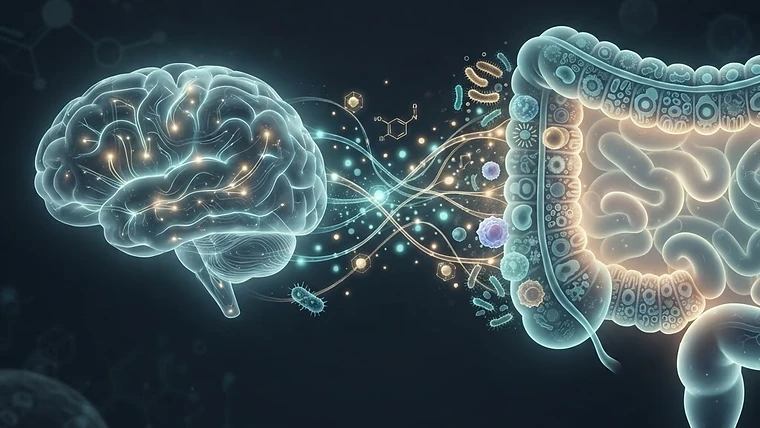
The gut-brain axis is a sophisticated, bidirectional communication network. It links the intestinal microbiota to the central nervous system (CNS) via immune, neuroendocrine, and neural pathways, most notably the vagus nerve [1, 4]. When this axis is disrupted, the consequences can ripple throughout the entire body, manifesting as metabolic syndrome, cognitive fog, or mood disorders [4, 10].
While much of the current focus on gut health centers on diet and antibiotics, parasitic organisms—including protozoa and helminths—represent a significant, yet often overlooked, class of modulators [1, 4]. These organisms do not merely exist in the gut; they interact with the host’s immune system, potentially triggering chronic, low-grade inflammation that can influence systemic health [1, 7].
Parasites and the Inflammation Connection
Chronic inflammation is a common denominator in many modern health challenges, from diabetes to autoimmune conditions. Research indicates that parasitic infections can trigger immune activation, leading to the release of cytokines—signaling proteins that, when chronically elevated, can interfere with normal metabolic and neurological processes [5, 8].
In the context of metabolic health, some studies suggest that parasites may alter the composition of the gut microbiota and the production of microbial metabolites, such as short-chain fatty acids [1]. These changes can influence insulin sensitivity and metabolic regulation. Furthermore, by depleting essential nutrients like iron, zinc, and vitamin B12, parasites may indirectly contribute to the metabolic stress that underpins conditions like insulin resistance [8].
Neuroinflammation and Mental Health
The link between parasitic infection and mental health is a burgeoning field of study. Research has identified that certain parasites, such as Toxoplasma gondii, can influence brain chemistry through multiple routes, including direct neurological effects and the induction of neuroinflammation [2, 5].
When the body is in a state of chronic inflammation, the brain is not immune. Elevated cytokines can cross the blood-brain barrier, potentially disrupting neurotransmitter pathways—specifically those involving serotonin and dopamine [5, 8]. This neurochemical shift is often associated with symptoms of anxiety, depression, and cognitive impairment [2, 10]. For many, the "brain fog" often reported in chronic fatigue cases may be a clinical manifestation of this gut-brain axis disruption, where systemic inflammation translates into cognitive sluggishness [6].
Convergent Mechanisms of Dysfunction
How do these organisms exert such influence? The mechanisms are diverse:
- Microbiota Disruption: Parasites can alter the delicate balance of the gut microbiome, which is essential for producing neurotransmitters like serotonin [3, 8, 10].
- Nutrient Depletion: By competing for nutrients, parasites may deprive the brain of the building blocks required for stable mood and cognitive clarity [8].
- Immune Activation: The host's immune response to a parasite can lead to systemic inflammation, which, if persistent, may contribute to neuroinflammation [1, 5].
- Direct Neurotropism: Some parasites possess the ability to interact directly with neural tissue, potentially remodeling neural circuits or altering dopamine metabolism [2, 8].
A New Perspective on Health
It is important to approach this topic with scientific curiosity rather than alarm. The relationship between parasites and human health is complex; while some research highlights the potential for dysfunction, other studies explore how parasite-derived molecules might even possess immunomodulatory properties that could one day inform new therapeutic targets [5, 9].
Understanding these connections requires looking beyond isolated symptoms and considering the body as an integrated system. For those interested in exploring the deeper intersections of these biological relationships, the book The Parasite-Disease Connection by James Young, RN, offers a comprehensive look at how these hidden factors may influence long-term health and systemic well-being.
As science continues to map the intricate pathways of the gut-brain axis, we gain a clearer picture of how our internal ecology shapes our external reality. By acknowledging the role of parasites in inflammation and immune regulation, we open the door to a more nuanced understanding of metabolic and mental health.
Frequently Asked Questions
Can parasites really affect my mood or mental health?
Research suggests that parasites can influence mental health through the gut-brain axis by altering neurotransmitter production, depleting essential nutrients, and triggering systemic inflammation that impacts the brain [2, 8, 10].
What is the link between parasites and brain fog?
Studies indicate that parasites can contribute to cognitive impairment and brain fog through chronic inflammation and the disruption of gut-brain signaling, which affects neurotransmitter balance [6, 10].
How do parasites contribute to chronic inflammation?
Parasites can trigger the immune system to release inflammatory cytokines. If the infection persists, this can lead to chronic, low-grade inflammation, which is associated with various metabolic and autoimmune conditions [1, 5, 7].
Is the gut-brain axis involved in metabolic health?
Yes, the gut-brain axis is a bidirectional network that influences metabolic regulation. Disruptions in the gut microbiome caused by parasites can affect metabolic outputs, potentially impacting insulin sensitivity and overall metabolic health [1, 4].
Frequently asked questions
Can parasites really affect my mood or mental health?
Research suggests that parasites can influence mental health through the gut-brain axis by altering neurotransmitter production, depleting essential nutrients, and triggering systemic inflammation that impacts the brain.
What is the link between parasites and brain fog?
Studies indicate that parasites can contribute to cognitive impairment and brain fog through chronic inflammation and the disruption of gut-brain signaling, which affects neurotransmitter balance.
How do parasites contribute to chronic inflammation?
Parasites can trigger the immune system to release inflammatory cytokines. If the infection persists, this can lead to chronic, low-grade inflammation, which is associated with various metabolic and autoimmune conditions.
Is the gut-brain axis involved in metabolic health?
Yes, the gut-brain axis is a bidirectional network that influences metabolic regulation. Disruptions in the gut microbiome caused by parasites can affect metabolic outputs, potentially impacting insulin sensitivity and overall metabolic health.