The Hidden Link: Parasites, Inflammation, and the Gut-Brain Axis
Emerging research explores how parasitic infections may influence systemic inflammation, metabolic health, and neurological function through the gut-brain axis.
Evidence context
This article is an educational research review. Associations do not prove causation, and medical decisions should be made with qualified healthcare professionals using the underlying cited evidence.
Topic overview
Cancer and parasites research overviewThe Hidden Link: Parasites, Inflammation, and the Gut-Brain Axis
In recent years, the scientific community has begun to look beyond the traditional view of parasites as mere causes of acute infection. Emerging research is now investigating a more complex, systemic role for these organisms, particularly in how they interact with the immune system, the gut microbiome, and the brain. For those interested in the intersection of chronic inflammation, metabolic health, and cognitive function, the "parasite-disease connection" is becoming a compelling area of scientific inquiry.
The Microbiota-Immune-Brain Axis
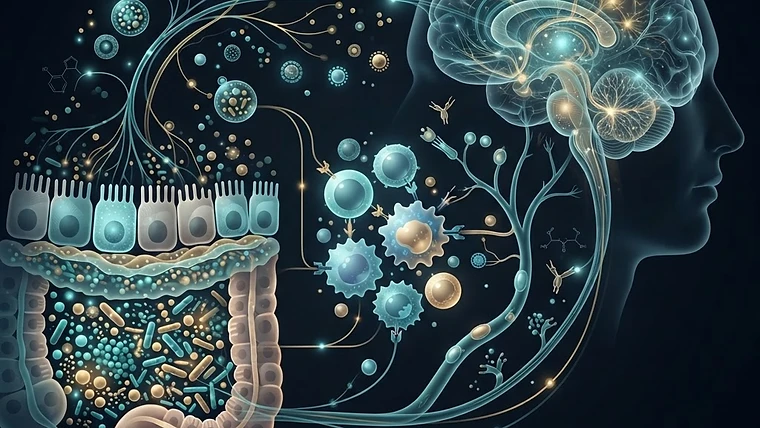
At the heart of this research is the concept of the microbiota-immune-brain axis. Scientists are finding that parasitic infections—whether protozoan or helminth—can trigger a cascade of systemic effects. Even when an infection is not overtly symptomatic, it may induce chronic, low-grade immune activation.
Research suggests that parasites can remodel the gut environment, leading to dysbiosis. This disruption often increases intestinal permeability, sometimes referred to as a "leaky gut." When the intestinal barrier is compromised, microbial products and inflammatory cytokines can enter the bloodstream, potentially triggering systemic inflammation. This peripheral immune activation is increasingly linked to neuroinflammation, where microglia and astrocytes in the brain become activated, potentially influencing mood, cognition, and behavior.
Parasites and Metabolic Health
One of the most intriguing areas of study involves the relationship between parasites and metabolic conditions like type 2 diabetes. The evidence here is nuanced. Some studies indicate that certain helminth infections may actually help mitigate metabolic syndrome by promoting anti-inflammatory type 2 immune responses and improving insulin sensitivity.
Conversely, other research highlights that chronic parasitic infections can exacerbate metabolic dysfunction. For instance, certain parasites may induce long-term tissue damage or fibrosis, while others, such as Toxoplasma gondii, have been studied for their potential to disrupt pancreatic function or alter systemic cytokine levels. The impact appears to be highly dependent on the specific parasite species, the host's immune status, and the stage of infection.
Neuroinflammation and Mental Health
Perhaps the most discussed aspect of this field is the potential link between parasitic infection and mental health. Systematic reviews have identified a higher prevalence of protozoan parasites in patients with various mental health disorders, including anxiety, depression, and neurodevelopmental conditions.
Mechanistically, this is thought to occur through several pathways:
- Neurotransmitter Modulation: Parasites may influence the metabolism of tryptophan, a precursor to serotonin, via the kynurenine pathway.
- Systemic Cytokine Tone: Chronic immune activation can alter the balance of neurotransmitters like dopamine and GABA.
- Direct Neurotropism: Some parasites can directly affect brain tissue, leading to measurable changes in neural circuitry.
Studies in animal models have shown that chronic infection can lead to anxiety-like behaviors, which are often mediated by changes in the gut microbiota and subsequent neuroinflammation in regions like the amygdala. While human evidence remains largely observational, the consistency of these findings across different studies suggests that the gut-brain axis is a critical node in understanding how peripheral infections might influence mental well-being.
A Complex Scientific Landscape
It is important to approach this topic with scientific rigor. The field is currently characterized by a mix of experimental data and observational human studies. While the mechanisms—such as barrier dysfunction, cytokine signaling, and microbial shifts—are becoming clearer, the clinical implications are still being defined.
For those seeking a deeper understanding of these complex interactions, the book The Parasite-Disease Connection by James Young, RN, provides a comprehensive exploration of how these biological systems intersect, offering a valuable resource for those interested in the broader implications of parasitic influence on human health.
Conclusion
As we continue to map the connections between the gut, the immune system, and the brain, it becomes clear that our health is a product of a vast, interconnected ecosystem. Whether through the modulation of metabolic pathways or the triggering of neuroinflammatory cascades, parasites represent a significant, if often overlooked, variable in the equation of chronic health. Future research will undoubtedly continue to refine our understanding of these pathways, potentially opening new doors for host-directed strategies to support systemic health.
Frequently Asked Questions
Can parasites cause anxiety and depression?
Research suggests a correlation between certain parasitic infections and mental health symptoms. Studies indicate that chronic immune activation and gut dysbiosis caused by parasites may influence neurotransmitter pathways and trigger neuroinflammation, which are linked to mood disorders.
Is there a link between parasites and diabetes?
Evidence is mixed. Some studies suggest that certain helminths may improve insulin sensitivity through anti-inflammatory immune responses, while other research indicates that chronic infections can exacerbate metabolic dysfunction and inflammation in diabetic patients.
What is the gut-brain axis in the context of infection?
The gut-brain axis is the bidirectional communication network between the gastrointestinal tract and the central nervous system. Parasites can disrupt this axis by altering the gut microbiome and increasing intestinal permeability, which allows inflammatory signals to reach the brain.
Are these findings considered medical advice?
No. This information is for educational purposes only and explores scientific hypotheses. It does not constitute medical advice, diagnosis, or treatment. Always consult with a healthcare professional regarding any medical concerns.
Frequently asked questions
Can parasites cause anxiety and depression?
Research suggests a correlation between certain parasitic infections and mental health symptoms. Studies indicate that chronic immune activation and gut dysbiosis caused by parasites may influence neurotransmitter pathways and trigger neuroinflammation, which are linked to mood disorders.
Is there a link between parasites and diabetes?
Evidence is mixed. Some studies suggest that certain helminths may improve insulin sensitivity through anti-inflammatory immune responses, while other research indicates that chronic infections can exacerbate metabolic dysfunction and inflammation in diabetic patients.
What is the gut-brain axis in the context of infection?
The gut-brain axis is the bidirectional communication network between the gastrointestinal tract and the central nervous system. Parasites can disrupt this axis by altering the gut microbiome and increasing intestinal permeability, which allows inflammatory signals to reach the brain.
Are these findings considered medical advice?
No. This information is for educational purposes only and explores scientific hypotheses. It does not constitute medical advice, diagnosis, or treatment. Always consult with a healthcare professional regarding any medical concerns.