The Hidden Link: Parasites, Inflammation, and Brain Health
Explore the emerging science connecting parasitic activity, chronic inflammation, and the gut-brain axis to metabolic and mental health conditions.
Evidence context
This article is an educational research review. Associations do not prove causation, and medical decisions should be made with qualified healthcare professionals using the underlying cited evidence.
Topic overview
Cancer and parasites research overviewThe Hidden Link: Parasites, Inflammation, and Brain Health
For decades, the scientific community viewed the brain as an "immune-privileged" site—a fortress largely shielded from the chaos of systemic infections. However, recent research is dismantling this view, revealing a complex, bidirectional communication network known as the gut-brain axis. At the center of this emerging field is a provocative question: How do parasitic organisms, often overlooked in modern clinical settings, influence our metabolic and mental health through the lens of chronic inflammation?
The Gut-Brain Axis and Invisible Invaders
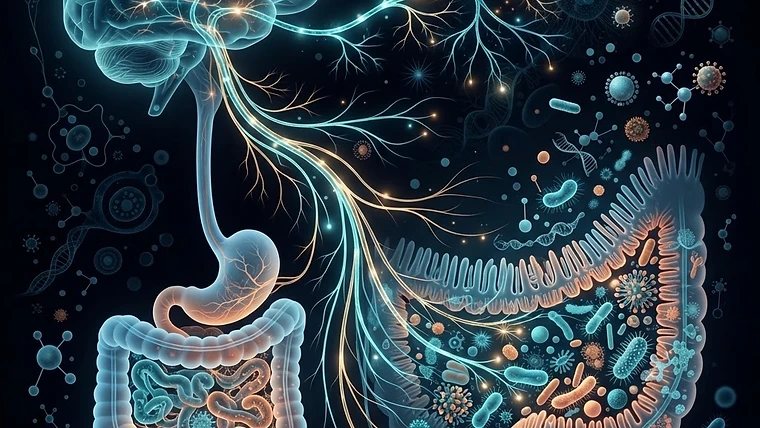
The gut-brain axis is a multisystem network where the intestinal microbiota, the immune system, and the central nervous system (CNS) constantly exchange information. While much of the current research focuses on diet and bacteria, emerging studies suggest that protozoa and helminths are significant, yet underappreciated, modulators of this ecosystem.
When these organisms inhabit the gut, they do not merely exist; they interact. Research indicates that parasites can alter the composition of the gut microbiota and shift the production of microbial metabolites, such as short-chain fatty acids. These changes can trigger systemic immune responses, leading to low-grade, chronic inflammation that may ripple outward to the brain.
Neuroinflammation: The Bridge to Mental Health
How does a gut-level infection translate to cognitive fog, anxiety, or mood disorders? The answer appears to lie in neuroinflammation. When the immune system is activated by a persistent peripheral infection, it releases pro-inflammatory cytokines. These signaling molecules can cross the blood-brain barrier or stimulate the vagus nerve, effectively "broadcasting" the gut's inflammatory state to the brain.
Studies have shown that this process can destabilize neural homeostasis. In some cases, the activation of astrocytes and microglia—the brain's resident immune cells—can lead to a state of chronic neuroinflammation. This environment is increasingly linked to behavioral and cognitive changes, including symptoms often associated with anxiety, depression, and brain fog. By disrupting the delicate balance of neurotransmission, these inflammatory pathways may play a role in how we perceive our mental well-being.
Metabolic Syndrome and Immune Dysregulation
Beyond the brain, the metabolic consequences of parasitic-driven inflammation are profound. Metabolic syndrome, characterized by insulin resistance and systemic inflammation, is often viewed through the lens of diet and lifestyle. However, the immune system's response to chronic parasitic presence may also be a contributing factor.
Type 2 immune responses, often triggered by helminth infections, involve complex regulatory pathways. While these pathways are designed to manage the parasite, they can also lead to immune dysregulation. Some research suggests that the body’s attempt to maintain immune tolerance in the presence of these organisms can inadvertently influence metabolic processes, potentially impacting how the body manages blood sugar and energy storage.
The Complexity of Co-Evolution
It is important to approach this topic with nuance. The relationship between hosts and parasites is a product of millions of years of co-evolution. Some studies have even explored how certain parasitic components might induce regulatory T cells (Tregs) to help dampen excessive inflammatory responses in autoimmune conditions. This "immunological privilege" suggests that the interaction is not always purely destructive; rather, it is a highly complex biological negotiation that can have vastly different outcomes depending on the host's unique immune landscape.
A Deeper Look at the Connection
As we continue to map the intersections of the microbiome, the immune system, and the brain, it becomes clear that our health is not defined by isolated systems but by the harmony between them. For those interested in exploring the historical and scientific context of these interactions, the book The Parasite-Disease Connection by James Young, RN, provides a comprehensive look at how these biological threads weave together to influence human health.
Understanding these mechanisms is not about finding a single culprit, but about appreciating the intricate web of factors that contribute to our metabolic and mental states. As science advances, we move closer to a more holistic understanding of how the smallest organisms can have the largest impacts on our daily lives.
Frequently Asked Questions
Can parasites really affect my mood or mental health?
Research suggests that systemic inflammation caused by gut-level infections can influence the brain via the gut-brain axis, potentially contributing to symptoms like anxiety, depression, and cognitive fog.
What is the link between gut health and neuroinflammation?
The gut and brain are connected by the vagus nerve and immune signaling. When the gut is inflamed, it can trigger an immune response that leads to neuroinflammation, affecting brain function and homeostasis.
How do parasites influence metabolic health?
Parasites can alter gut microbiota and trigger immune responses that lead to chronic, low-grade inflammation, which is a known factor in metabolic syndrome and insulin resistance.
Is the brain truly protected from gut infections?
While the blood-brain barrier provides some protection, it is not impenetrable. Systemic inflammation and certain parasitic excretory products can influence the CNS, challenging the old idea that the brain is entirely isolated from peripheral immune activity.
Frequently asked questions
Can parasites really affect my mood or mental health?
Research suggests that systemic inflammation caused by gut-level infections can influence the brain via the gut-brain axis, potentially contributing to symptoms like anxiety, depression, and cognitive fog.
What is the link between gut health and neuroinflammation?
The gut and brain are connected by the vagus nerve and immune signaling. When the gut is inflamed, it can trigger an immune response that leads to neuroinflammation, affecting brain function and homeostasis.
How do parasites influence metabolic health?
Parasites can alter gut microbiota and trigger immune responses that lead to chronic, low-grade inflammation, which is a known factor in metabolic syndrome and insulin resistance.
Is the brain truly protected from gut infections?
While the blood-brain barrier provides some protection, it is not impenetrable. Systemic inflammation and certain parasitic excretory products can influence the CNS, challenging the old idea that the brain is entirely isolated from peripheral immune activity.