Parasites, Inflammation, and the Hidden Roots of Metabolic Health
Explore the emerging science connecting parasitic interactions, chronic inflammation, and the gut-brain axis to metabolic and mental health conditions.
Evidence context
This article is an educational research review. Associations do not prove causation, and medical decisions should be made with qualified healthcare professionals using the underlying cited evidence.
Topic overview
Cancer and parasites research overviewThe Invisible Connection: Parasites and Modern Health
In the landscape of modern medicine, we often view health through the lens of isolated systems: the endocrine system for diabetes, the neurological system for anxiety, and the digestive system for gut health. However, emerging research is beginning to bridge these gaps, suggesting that our internal ecosystem—specifically the presence of microscopic organisms—may play a far more significant role in systemic health than previously understood. At the intersection of parasitology, immunology, and metabolic science, a fascinating hypothesis is taking shape: could the presence of certain parasites be a hidden variable in the development of chronic inflammation, metabolic syndrome, and even mood disorders?
The Gut-Brain Axis and Immune Dysregulation
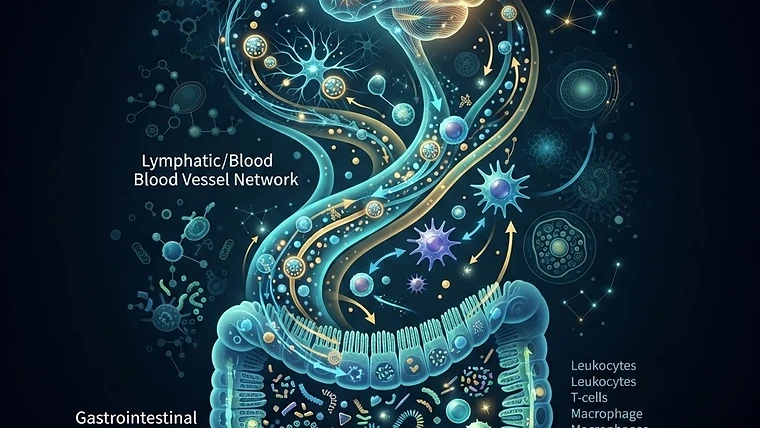
At the heart of this exploration is the gut-brain axis, a bidirectional communication network linking the enteric nervous system with the central nervous system. Research suggests that parasitic infections, whether protozoan or helminthic, can act as long-term modulators of this axis. When the gut environment is altered by the presence of these organisms, it can trigger a cascade of immune responses.
Chronic immune activation often leads to the persistent release of cytokines—signaling proteins that, while essential for fighting infection, can become problematic when produced in excess over long periods. This state of chronic inflammation is increasingly linked to neuroinflammation, which some studies suggest may contribute to cognitive fog, sleep disturbances, and behavioral changes, including symptoms of anxiety and depression.
Parasites and Metabolic Syndrome: A Complex Interplay
Perhaps one of the most counterintuitive areas of current research is the relationship between parasites and metabolic health. Obesity and type 2 diabetes are characterized by chronic, low-grade systemic inflammation originating from adipose tissue. Interestingly, some studies indicate that certain helminth infections may actually modulate this inflammatory state.
For instance, research has explored how specific helminth-derived molecules might influence macrophage activity, potentially shifting the immune system toward a more regulatory, anti-inflammatory phenotype. While this does not suggest that infection is a solution for metabolic disease, it highlights the profound power of these organisms to remodel host metabolism. Conversely, other protozoan parasites have been associated with different metabolic outcomes, suggesting that the specific species and the host's unique microbiome composition are critical factors in determining whether the interaction is neutral, harmful, or potentially modulatory.
Inflammation as a Common Denominator
Whether we are looking at insulin resistance or mood disorders, chronic inflammation remains a common denominator. When the body is in a state of constant immune vigilance, metabolic processes can become disrupted. Insulin sensitivity, for example, is highly sensitive to the inflammatory environment. If the immune system is preoccupied with managing a persistent, low-level parasitic presence, the resulting cytokine profile may interfere with the body's ability to regulate blood glucose effectively.
This is not to say that parasites are the sole cause of these conditions. Rather, they represent one of many environmental factors that can influence the "homeostatic set point" of our immune system. As we continue to map these interactions, it becomes clear that the gut microbiome and any resident parasites are not just passive passengers; they are active participants in our metabolic and mental health.
Navigating the Research Landscape
It is vital to approach this field with scientific rigor. The relationship between parasites and disease is highly context-dependent. Factors such as the duration of infection, the specific species involved, and the host's nutritional status all dictate the outcome. For those interested in a deeper dive into how these biological connections have been documented and theorized over time, the book The Parasite-Disease Connection by James Young, RN, offers a comprehensive look at the historical and scientific context of these relationships, serving as a valuable resource for those seeking to understand the broader implications of the parasite-host dynamic.
Conclusion: A New Frontier in Understanding
As we move forward, the goal of this research is not to pathologize every aspect of our internal biology, but to gain a more nuanced understanding of how we interact with the microscopic world. By acknowledging the role of inflammation and the gut-brain axis, we open the door to more holistic approaches to health. The science is still evolving, and while we are far from having all the answers, the ongoing exploration of these connections promises to reshape our understanding of metabolic and mental well-being.
Frequently Asked Questions
Can parasites really affect my mood or mental health?
Research suggests that chronic immune activation caused by various factors, including parasitic presence, can lead to neuroinflammation. This process may influence neurotransmitter metabolism and has been linked in some studies to symptoms of anxiety, depression, and cognitive impairment.
Is there a link between parasites and diabetes?
Some studies indicate that certain helminth infections can modulate the immune system in ways that affect insulin sensitivity. While this is an area of active research, it is complex, and the effect depends heavily on the specific parasite species and the host's metabolic state.
Does this mean I should try to get rid of all parasites?
This is a medical question that should be discussed with a healthcare professional. The goal of current research is to understand the biological mechanisms of these interactions, not to provide medical advice. Always consult with your doctor regarding any health concerns.
What is the gut-brain axis?
The gut-brain axis is the biochemical signaling pathway that connects the gastrointestinal tract to the central nervous system. It allows the gut microbiome and other factors in the digestive system to influence brain function, mood, and behavior.
Frequently asked questions
Can parasites really affect my mood or mental health?
Research suggests that chronic immune activation caused by various factors, including parasitic presence, can lead to neuroinflammation. This process may influence neurotransmitter metabolism and has been linked in some studies to symptoms of anxiety, depression, and cognitive impairment.
Is there a link between parasites and diabetes?
Some studies indicate that certain helminth infections can modulate the immune system in ways that affect insulin sensitivity. While this is an area of active research, it is complex, and the effect depends heavily on the specific parasite species and the host's metabolic state.
Does this mean I should try to get rid of all parasites?
This is a medical question that should be discussed with a healthcare professional. The goal of current research is to understand the biological mechanisms of these interactions, not to provide medical advice. Always consult with your doctor regarding any health concerns.
What is the gut-brain axis?
The gut-brain axis is the biochemical signaling pathway that connects the gastrointestinal tract to the central nervous system. It allows the gut microbiome and other factors in the digestive system to influence brain function, mood, and behavior.