The Hidden Link: Parasites, Inflammation, and the Brain
Explore the emerging science connecting parasitic activity, chronic inflammation, and the gut-brain axis to metabolic and mental health conditions.
Evidence context
This article is an educational research review. Associations do not prove causation, and medical decisions should be made with qualified healthcare professionals using the underlying cited evidence.
Topic overview
Cancer and parasites research overviewThe Hidden Link: Parasites, Inflammation, and the Brain
For decades, the scientific community viewed the brain as an "immune-privileged" site—a fortress largely shielded from the systemic chaos of the body. However, modern research is rapidly dismantling this wall. We now understand that the brain is intimately connected to the rest of the body through a complex web of immune signaling, metabolic pathways, and the gut-brain axis. Among the most intriguing and under-discussed factors in this dialogue are parasitic organisms.
Emerging science suggests that the presence of protozoa and helminths may do more than just occupy a biological niche; they may act as significant modulators of host immunity, gut ecology, and, ultimately, neurological and metabolic health.
The Immune-to-Brain Signaling Pathway
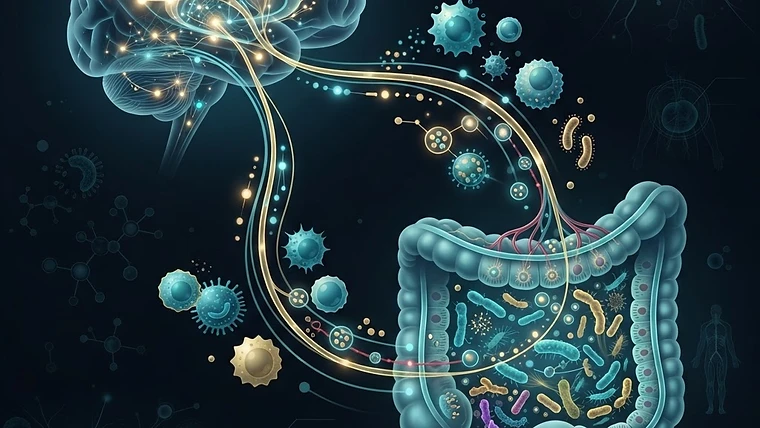
When we think of parasites, we often think of acute infection. Yet, many parasitic relationships are chronic and latent. Research indicates that these organisms can trigger sustained immune activation. This peripheral immune response releases cytokines—signaling proteins that, when chronically elevated, can cross the blood-brain barrier or influence the vagus nerve, leading to what researchers call neuroinflammation.
This state of chronic, low-level inflammation is increasingly recognized as a common denominator in various health challenges. Whether it is cognitive fog, mood disorders, or metabolic syndrome, the common thread is often a dysregulated immune system struggling to maintain homeostasis in the face of persistent stressors.
Parasites and the Gut-Brain Axis
Perhaps the most compelling area of study is the gut-brain axis. The gut is home to a vast ecosystem of microbes, and parasites can significantly alter this landscape. By shifting the composition of the microbiome and influencing the production of microbial metabolites—such as short-chain fatty acids—parasites may indirectly influence brain function.
Studies have shown that neurotropic parasites, such as Toxoplasma gondii, can reside in brain tissue, potentially disrupting neurotransmitter systems. For instance, research suggests these organisms may influence dopamine synthesis, a neurotransmitter central to mood regulation and cognitive function. This has led scientists to investigate how such infections might correlate with symptoms of anxiety, depression, and even neurodegenerative processes.
Metabolic Health and the Immune Response
Beyond the brain, the metabolic implications of parasitic interaction are profound. Metabolic syndrome and type 2 diabetes are defined by insulin resistance and systemic inflammation. Interestingly, some emerging research explores the complex role of helminths in metabolic regulation. While the mechanisms are still being mapped, the interplay between type 2 immune responses and adipose tissue suggests that our immune system’s reaction to these organisms is a critical, yet underexplored, variable in metabolic health.
It is important to note that this is a burgeoning field. We are moving away from a simplistic view of "infection" toward a more nuanced understanding of "host-parasite-microbiome" interactions. The goal of this research is not to suggest simple solutions, but to broaden our understanding of the biological complexity that underlies chronic health conditions.
Navigating the Complexity
As we continue to uncover these connections, it becomes clear that the body is a highly integrated system. Chronic inflammation, whether driven by environmental factors, dietary choices, or persistent biological stressors, can have far-reaching effects on our mental and metabolic well-being.
For those interested in a deeper exploration of these mechanisms, James Young, RN, provides a comprehensive look at these systemic interactions in his book, The Parasite-Disease Connection. It serves as a valuable resource for those looking to understand the broader context of how these hidden factors may influence human health.
Conclusion
Science is only beginning to scratch the surface of how parasites, inflammation, and the immune system converge to influence our daily health. By viewing the body as a holistic system, we can better appreciate the intricate balance required for cognitive clarity and metabolic stability. As research progresses, we hope to gain a clearer picture of how these ancient biological relationships shape our modern health landscape.
Frequently Asked Questions
Can parasites affect my mood or mental health?
Research suggests that chronic parasitic infections can trigger neuroinflammation and alter neurotransmitter pathways, which may be linked to symptoms of anxiety, depression, and cognitive fog.
What is the connection between parasites and metabolic health?
Emerging studies indicate that parasites can influence the gut microbiome and systemic immune responses, which are key factors in metabolic syndrome and insulin resistance.
How does the gut-brain axis relate to parasitic infection?
The gut-brain axis is a communication network between the digestive system and the brain. Parasites can disrupt this axis by altering gut microbiota and triggering immune signals that reach the central nervous system.
Is neuroinflammation a common result of chronic infection?
Yes, persistent immune activation from various sources, including chronic parasitic presence, can lead to neuroinflammation, which is increasingly studied for its role in neurological and psychiatric conditions.
Frequently asked questions
Can parasites affect my mood or mental health?
Research suggests that chronic parasitic infections can trigger neuroinflammation and alter neurotransmitter pathways, which may be linked to symptoms of anxiety, depression, and cognitive fog.
What is the connection between parasites and metabolic health?
Emerging studies indicate that parasites can influence the gut microbiome and systemic immune responses, which are key factors in metabolic syndrome and insulin resistance.
How does the gut-brain axis relate to parasitic infection?
The gut-brain axis is a communication network between the digestive system and the brain. Parasites can disrupt this axis by altering gut microbiota and triggering immune signals that reach the central nervous system.
Is neuroinflammation a common result of chronic infection?
Yes, persistent immune activation from various sources, including chronic parasitic presence, can lead to neuroinflammation, which is increasingly studied for its role in neurological and psychiatric conditions.