Parasites, Inflammation, and the Hidden Links to Metabolic Health
Explore the emerging scientific hypothesis connecting chronic parasitic presence, systemic inflammation, and their potential impact on metabolic and mental health.
Evidence context
This article is an educational research review. Associations do not prove causation, and medical decisions should be made with qualified healthcare professionals using the underlying cited evidence.
Topic overview
Cancer and parasites research overviewParasites, Inflammation, and the Hidden Links to Metabolic Health
For decades, the conversation around human health has been dominated by genetics, diet, and lifestyle. While these remain cornerstones of well-being, a compelling and often overlooked field of study is emerging: the complex, multi-layered relationship between parasites, chronic inflammation, and the regulation of our metabolic and mental health.
Could the unseen world of parasitic organisms play a role in the systemic inflammation that characterizes modern metabolic and mental health conditions? As research into the gut-brain axis and the immune system deepens, scientists are beginning to ask whether chronic, low-level immune activation—sometimes triggered by persistent pathogens—might be a missing piece of the puzzle for conditions like diabetes, anxiety, and cognitive fog.
The Silent Drivers: Inflammation and the Immune System
To understand this connection, we must first look at the body’s alarm system: the immune system. When the body detects a threat—whether it is a virus, bacteria, or a larger parasite—the immune system responds by releasing cytokines. These are signaling proteins that trigger inflammation, the body’s way of isolating the threat and initiating repair.
In an ideal scenario, the immune system detects the threat, neutralizes it, and inflammation subsides. However, emerging research suggests that certain organisms have evolved mechanisms to persist in the human host without triggering an acute crisis. This state of chronic, low-grade inflammation can persist for years, constantly demanding resources and focus from the immune system.
The Cost of Persistent Immune Activation
When the immune system is stuck in a state of high alert, the physiological cost can be significant. Chronic inflammation is increasingly recognized as a common denominator in metabolic syndrome, insulin resistance, and even cognitive decline. If the immune system is preoccupied with managing a persistent invader, it may lack the bandwidth to maintain metabolic homeostasis, potentially contributing to the metabolic dysregulation we see in modern society.
The Gut-Brain Axis and Neuroinflammation
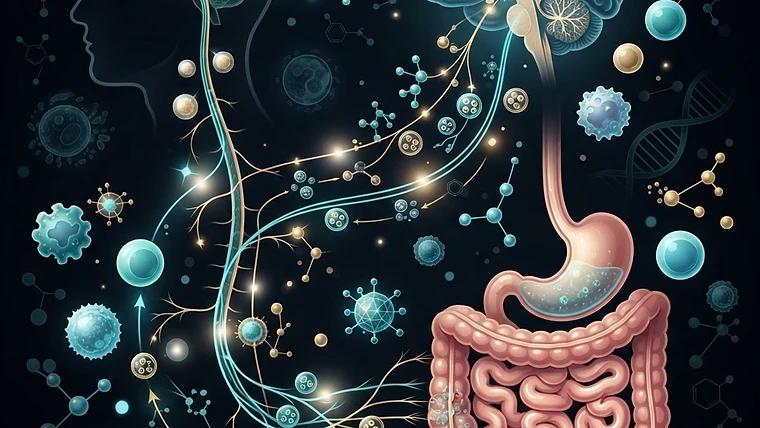
Perhaps the most fascinating area of study is the gut-brain axis, a bidirectional communication network between the gastrointestinal tract and the central nervous system. We now know that the gut is home to a vast microbiome that influences mood, cognition, and stress responses.
Research suggests that when the gut environment is disrupted—whether through dietary factors or the presence of parasitic organisms—the resulting inflammation can affect more than just digestion. It can lead to neuroinflammation.
Can Parasites Influence Mood and Cognition?
Studies have begun to explore how immune-mediated inflammation might contribute to anxiety and depression. The hypothesis is that systemic cytokines, when elevated due to chronic immune activity, can cross the blood-brain barrier. Once in the brain, they may alter neurotransmitter metabolism and disrupt signaling pathways.
This might explain why some individuals suffering from cognitive fog, mood disorders, or persistent anxiety find that their symptoms correlate with periods of gastrointestinal distress. The gut-brain axis suggests that the state of our internal ecosystem is directly mirrored in the clarity of our thoughts and the stability of our moods.
Parasites and Metabolic Health: The Diabetes Connection
Metabolic health is deeply tied to how we process energy and manage blood sugar. In recent years, the link between inflammation and insulin resistance has become a major focus in endocrinology.
Some studies indicate that chronic immune activation can impair the function of insulin receptors, making it harder for cells to absorb glucose. This creates a vicious cycle: high blood sugar feeds inflammation, and inflammation further worsens insulin resistance.
While traditional research focuses on diet and physical activity, emerging science explores the possibility that parasitic infections might act as a chronic inflammatory trigger in susceptible individuals. By maintaining a constant state of immune activation, these organisms may inadvertently interfere with the body's metabolic pathways, potentially complicating the management of blood glucose levels.
The Complexity of the Human Microbiome
It is important to emphasize that not all organisms in the human body are detrimental. In fact, our evolution is tied to a diverse array of symbiotic microbes. The issue arises when the balance is disrupted, allowing opportunistic or pathogenic organisms to take hold.
Modern research into the microbiome highlights that diversity is key. When the ecosystem is dominated by a few species, or when persistent invaders occupy the gut, the immune system's delicate balance is tipped. Understanding this ecological balance is crucial for anyone looking to optimize their metabolic and mental health from a holistic, evidence-based perspective.
A Deeper Resource for Your Journey
Navigating the complex interplay between the immune system, the gut, and systemic health can be daunting. As researchers and clinicians continue to map these connections, it becomes clear that we must look beyond isolated symptoms to understand the underlying drivers of chronic health challenges.
For those interested in exploring the deeper mechanics of these relationships, James Young, RN, provides a comprehensive overview in his book, The Parasite-Disease Connection. His work serves as a valuable resource for anyone seeking to understand how these hidden biological interactions may influence our overall well-being.
Frequently Asked Questions
How do parasites contribute to chronic inflammation?
Parasites can trigger the immune system to release cytokines. If the infection persists at low levels, this immune activation remains constant, leading to chronic, systemic inflammation that can impact metabolic and cognitive health.
Is there a link between the gut-brain axis and anxiety?
Yes, emerging research suggests that gut health is closely tied to mental health. Inflammation in the gut can lead to neuroinflammation, which may affect neurotransmitter regulation and contribute to symptoms like anxiety, depression, and cognitive fog.
How does inflammation affect metabolic conditions like diabetes?
Chronic inflammation is known to interfere with insulin signaling. When the immune system is consistently active, it can decrease the body's sensitivity to insulin, making it more difficult to regulate blood sugar levels effectively.
Should I be concerned about parasites if I have metabolic issues?
Scientific research is currently exploring how chronic infections and immune dysregulation contribute to metabolic syndrome. While individual cases vary, understanding the inflammatory landscape of the body is a critical part of modern metabolic health research.
Conclusion: Looking Toward the Future
The intersection of parasites, inflammation, and health is a frontier of medicine that challenges us to think more broadly about how we define "health." By acknowledging that our immune, metabolic, and mental systems are deeply interconnected, we open the door to new strategies for vitality. As science continues to evolve, the focus remains on understanding these delicate, unseen dynamics and the role they play in the intricate tapestry of human health.
Frequently asked questions
How do parasites contribute to chronic inflammation?
Parasites can trigger the immune system to release cytokines. If the infection persists at low levels, this immune activation remains constant, leading to chronic, systemic inflammation that can impact metabolic and cognitive health.
Is there a link between the gut-brain axis and anxiety?
Yes, emerging research suggests that gut health is closely tied to mental health. Inflammation in the gut can lead to neuroinflammation, which may affect neurotransmitter regulation and contribute to symptoms like anxiety, depression, and cognitive fog.
How does inflammation affect metabolic conditions like diabetes?
Chronic inflammation is known to interfere with insulin signaling. When the immune system is consistently active, it can decrease the body's sensitivity to insulin, making it more difficult to regulate blood sugar levels effectively.
Should I be concerned about parasites if I have metabolic issues?
Scientific research is currently exploring how chronic infections and immune dysregulation contribute to metabolic syndrome. While individual cases vary, understanding the inflammatory landscape of the body is a critical part of modern metabolic health research.