Parasites, Inflammation, and the Hidden Roots of Chronic Health
Explore the emerging science connecting parasitic activity, systemic inflammation, and the gut-brain axis to metabolic and mental health conditions.

Evidence context
This article is an educational research review. Associations do not prove causation, and medical decisions should be made with qualified healthcare professionals using the underlying cited evidence.
Topic overview
Cancer and parasites research overviewThe Invisible Connection: Parasites and Systemic Inflammation
For decades, the medical community has viewed the human body as a fortress, often overlooking the complex, microscopic ecosystems that reside within. Emerging research is now shifting this perspective, suggesting that parasitic organisms—ranging from protozoa to helminths—may play a more significant role in human health than previously understood. By interacting with our immune system and altering the gut microbiome, these organisms may contribute to a state of chronic, low-grade inflammation that ripples throughout the body, potentially influencing everything from metabolic stability to mental clarity.
The Gut-Brain Axis: A Bidirectional Highway
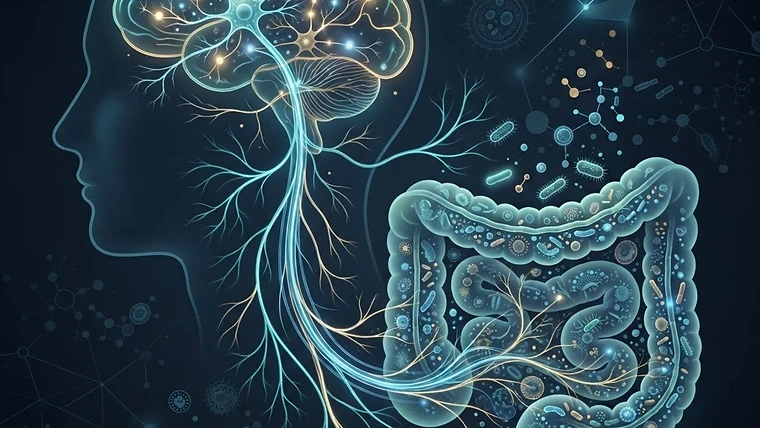
The gut-brain axis is a sophisticated communication network linking the intestinal tract to the central nervous system. While we often focus on diet and antibiotics as primary drivers of gut health, parasites are increasingly recognized as potent modulators of this ecosystem. When parasites inhabit the gut, they do not merely exist; they actively communicate with the host’s immune system. This interaction can lead to the release of inflammatory cytokines, which may cross the blood-brain barrier or signal the brain via the vagus nerve, potentially triggering neuroinflammation.
Inflammation: The Common Denominator
Chronic inflammation is a hallmark of many modern health challenges, including metabolic syndrome, insulin resistance, and various mood disorders. Research suggests that parasitic infections can induce a state of immune dysregulation. By recruiting regulatory T cells (Tregs) or altering the production of short-chain fatty acids, parasites may shift the body’s inflammatory profile. This systemic shift is not limited to the gut; it can manifest as cognitive fog, persistent anxiety, or depressive symptoms, as the brain responds to the ongoing inflammatory signals originating from the periphery.
Metabolic Health and Immune Surveillance
There is a growing interest in how parasitic presence influences metabolic health. Some studies indicate that the immune system's attempt to manage parasitic load can interfere with metabolic homeostasis. For instance, the constant demand on the immune system to regulate infection may contribute to insulin resistance, a core component of metabolic syndrome. As the body prioritizes immune defense, metabolic processes—such as glucose regulation—may be sidelined, creating a feedback loop of inflammation and metabolic dysfunction.
Neuroinflammation and Mental Well-being
Perhaps the most compelling area of current research is the link between parasitic activity and mental health. Conditions such as anxiety, depression, and cognitive decline are increasingly being viewed through the lens of neuroinflammation. When the brain is in a state of chronic inflammation, neurotransmitter balance can be disrupted. Emerging science explores how parasitic excretory products and the resulting immune response might destabilize neural homeostasis, potentially contributing to the behavioral changes observed in various clinical studies.
A New Perspective on Chronic Conditions
It is important to emphasize that this field is in its infancy. We are only beginning to map the complex interactions between parasites, the microbiome, and the host immune system. While these findings are enlightening, they represent a hypothesis space rather than a definitive cause for all chronic illness. Understanding these mechanisms allows us to ask better questions about the origins of systemic inflammation and the interconnectedness of our biological systems.
For those interested in exploring these concepts further, James Young, RN, provides a comprehensive look at these dynamics in his book, The Parasite-Disease Connection, which serves as a valuable resource for understanding the broader implications of these hidden biological interactions.
Conclusion
The intersection of parasitology, immunology, and metabolic health is a frontier that challenges our traditional understanding of disease. By viewing the body as a dynamic, interconnected system, we can better appreciate how even the smallest organisms may influence our overall well-being. As research continues to evolve, it will likely shed more light on how managing systemic inflammation and supporting the gut-brain axis could be key to fostering long-term health.
Frequently Asked Questions
Can parasites really affect my mental health?
Research suggests that parasitic infections can trigger systemic inflammation, which may influence the central nervous system and contribute to symptoms of anxiety, depression, and cognitive fog through the gut-brain axis.
How do parasites contribute to chronic inflammation?
Parasites can modulate the host immune system, leading to the persistent release of inflammatory cytokines. This chronic immune activation is a known driver of systemic inflammation.
Is there a link between parasites and metabolic issues like diabetes?
Some studies indicate that the immune dysregulation caused by chronic parasitic presence may interfere with metabolic processes, potentially contributing to insulin resistance and metabolic syndrome.
What is the gut-brain axis?
It is a bidirectional communication network that links the gut microbiome and the intestinal environment to the brain via immune, neuroendocrine, and neural pathways.
Frequently asked questions
Can parasites really affect my mental health?
Research suggests that parasitic infections can trigger systemic inflammation, which may influence the central nervous system and contribute to symptoms of anxiety, depression, and cognitive fog through the gut-brain axis.
How do parasites contribute to chronic inflammation?
Parasites can modulate the host immune system, leading to the persistent release of inflammatory cytokines. This chronic immune activation is a known driver of systemic inflammation.
Is there a link between parasites and metabolic issues like diabetes?
Some studies indicate that the immune dysregulation caused by chronic parasitic presence may interfere with metabolic processes, potentially contributing to insulin resistance and metabolic syndrome.
What is the gut-brain axis?
It is a bidirectional communication network that links the gut microbiome and the intestinal environment to the brain via immune, neuroendocrine, and neural pathways.