Parasites, Inflammation, and the Hidden Roots of Chronic Health
Explore the emerging scientific hypothesis connecting parasitic activity, systemic inflammation, and the gut-brain axis to metabolic and mental health conditions.
Evidence context
This article is an educational research review. Associations do not prove causation, and medical decisions should be made with qualified healthcare professionals using the underlying cited evidence.
Topic overview
Cancer and parasites research overviewParasites, Inflammation, and the Hidden Roots of Chronic Health
For decades, the medical community has viewed the human body as a fortress, often focusing on isolated systems when health begins to falter. However, a growing body of research is shifting this perspective, suggesting that our internal landscape is far more interconnected than previously imagined. Emerging science is now exploring the complex relationship between parasitic organisms, systemic inflammation, and the gut-brain axis, potentially offering new insights into the roots of metabolic and mental health conditions.
The Invisible Influence: Parasites and the Immune System
Parasites—ranging from microscopic protozoa to larger helminths—have co-evolved with humans for millennia. While we often associate them with acute tropical infections, modern research is increasingly focused on their role as subtle modulators of the host immune system. Studies suggest that these organisms can influence host immunity by recruiting regulatory T cells (Tregs), which may suppress anti-parasitic responses to ensure their own persistence [1].
This immunomodulatory strategy does not occur in a vacuum. By altering the cytokine environment—the chemical signaling network of the immune system—parasites may inadvertently contribute to chronic, low-grade inflammation. This state of immune dysregulation is a common thread in many modern health challenges, from metabolic syndrome to autoimmune conditions [1, 9].
The Gut-Brain Axis: A Bidirectional Highway
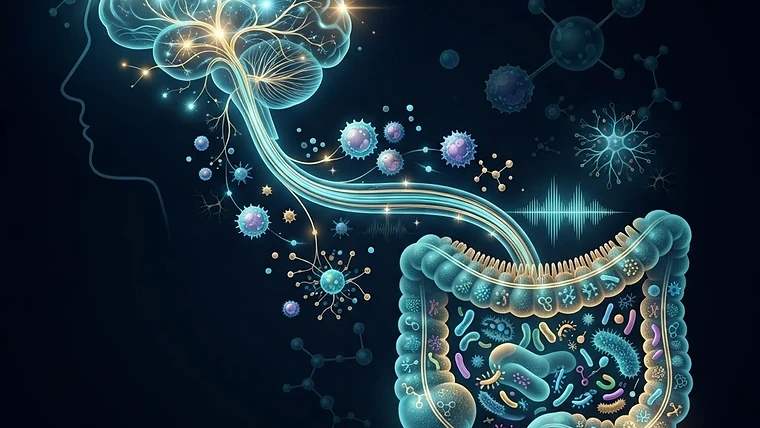
Perhaps the most compelling area of current research is the gut-brain axis. This bidirectional communication network links the intestinal microbiota with the central nervous system (CNS) via immune, neuroendocrine, and neural pathways [2, 4].
When parasites inhabit the gut, they do more than just compete for nutrients; they can alter the composition of the gut microbiome and the production of microbial metabolites, such as short-chain fatty acids [2, 4]. These changes can trigger systemic inflammation, which may then cross the blood-brain barrier, leading to neuroinflammation [5, 7]. This process is increasingly being investigated as a potential contributor to cognitive fog, mood disorders, and behavioral changes [4, 7, 10].
Metabolic Health and the Parasite Connection
Metabolic conditions, including insulin resistance and diabetes, are often characterized by chronic inflammation. Recent systematic reviews have begun to investigate the prevalence of intestinal parasites in diabetic populations, suggesting that these organisms may play a role in metabolic disturbances through their impact on gut health and nutrient absorption [9].
While the mechanisms are still being mapped, the hypothesis is that the metabolic cost of maintaining a chronic immune response against parasitic activity may disrupt the body’s ability to regulate blood glucose effectively. This "metabolic inflammation" is a critical area of study for those looking to understand the broader environmental factors influencing metabolic syndrome [9].
Neuroinflammation and Mental Well-being
Could the roots of anxiety and depression be partially hidden in the gut? Research into the impact of parasitic infections on mental health has revealed a concerning correlation. Studies have shown that individuals testing positive for certain parasitic infections may be significantly more likely to experience symptoms of anxiety, depression, and other psychiatric disorders [8, 10].
This is not necessarily due to direct infection of the brain, though some parasites are known for their neurotropism [2, 7]. Instead, the primary driver appears to be the systemic inflammatory response. When the body is in a state of chronic "alert" due to persistent immune activation, the resulting neuroinflammation can disrupt neurotransmitter balance and neural homeostasis, potentially manifesting as mood instability or cognitive decline [5, 7, 8].
A New Frontier in Scientific Inquiry
As we continue to refine our understanding of the human microbiome and the immune system, the role of parasites as "hidden" modulators of health is becoming impossible to ignore. This is not to suggest that every health issue is parasitic in origin, but rather that we must broaden our diagnostic and research horizons to include these often-overlooked biological actors.
For those interested in exploring these complex biological interactions further, the book The Parasite-Disease Connection by James Young, RN, provides a comprehensive look at how these systems intersect, offering a deeper dive into the research surrounding the parasite-disease landscape.
As science advances, our ability to detect and understand these subtle, chronic influences will likely improve, potentially leading to more holistic approaches to managing metabolic and mental health. The future of medicine may well lie in our ability to see the body not just as a collection of organs, but as a complex ecosystem where every inhabitant plays a role in the whole.
Frequently Asked Questions
Can parasites really affect my mood or mental health?
Research suggests that chronic immune activation and systemic inflammation caused by parasitic infections can influence the gut-brain axis, potentially contributing to symptoms of anxiety, depression, and cognitive fog.
How do parasites contribute to metabolic issues like diabetes?
Emerging studies indicate that parasites may disrupt gut microbiota and nutrient absorption, leading to chronic inflammation that can interfere with metabolic regulation and insulin sensitivity.
What is the gut-brain axis?
The gut-brain axis is a bidirectional communication network that links the intestinal environment to the central nervous system through immune, hormonal, and neural pathways, allowing gut health to directly impact brain function.
Is neuroinflammation a common result of parasitic infection?
Yes, research indicates that both direct neurotropism and indirect systemic inflammation from parasites can trigger neuroinflammatory responses, which may destabilize neural homeostasis.
Frequently asked questions
Can parasites really affect my mood or mental health?
Research suggests that chronic immune activation and systemic inflammation caused by parasitic infections can influence the gut-brain axis, potentially contributing to symptoms of anxiety, depression, and cognitive fog.
How do parasites contribute to metabolic issues like diabetes?
Emerging studies indicate that parasites may disrupt gut microbiota and nutrient absorption, leading to chronic inflammation that can interfere with metabolic regulation and insulin sensitivity.
What is the gut-brain axis?
The gut-brain axis is a bidirectional communication network that links the intestinal environment to the central nervous system through immune, hormonal, and neural pathways, allowing gut health to directly impact brain function.
Is neuroinflammation a common result of parasitic infection?
Yes, research indicates that both direct neurotropism and indirect systemic inflammation from parasites can trigger neuroinflammatory responses, which may destabilize neural homeostasis.