Parasites, Inflammation, and the Hidden Roots of Chronic Health
Explore the emerging scientific intersection of parasitic activity, chronic inflammation, and the gut-brain axis in relation to metabolic and mental health.
Evidence context
This article is an educational research review. Associations do not prove causation, and medical decisions should be made with qualified healthcare professionals using the underlying cited evidence.
Topic overview
Cancer and parasites research overviewParasites, Inflammation, and the Hidden Roots of Chronic Health
In the landscape of modern medicine, we often categorize our health struggles into neat, isolated boxes: metabolic issues like diabetes, mental health challenges like anxiety or depression, and autoimmune conditions. However, emerging research suggests that these conditions may share a common, often overlooked thread: the complex interplay between the immune system, chronic inflammation, and the presence of biological organisms that have co-evolved with humans for millennia.
The Immune System and the Parasite Connection
For decades, the scientific community has focused on the acute effects of parasitic infections. Yet, a more nuanced picture is emerging. Parasites are potent modulators of the host immune system. Research indicates that these organisms do not merely exist within a host; they actively communicate with the immune system, often triggering systemic responses that can persist long after an initial encounter.
This immune dysregulation is a critical area of study. When the body is in a state of constant, low-grade immune activation, it produces cytokines—signaling proteins that orchestrate inflammation. While inflammation is a necessary defense mechanism, chronic, systemic inflammation is increasingly recognized as a foundational driver of metabolic and neurological dysfunction.
The Gut-Brain Axis: A Two-Way Street
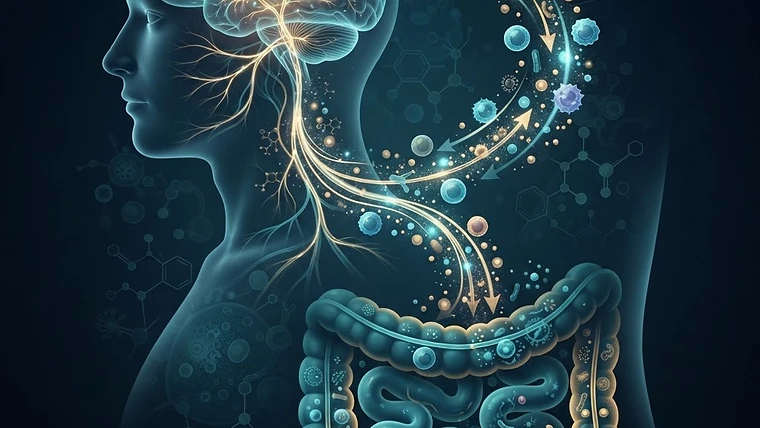
Perhaps the most fascinating frontier in this field is the gut-brain axis. We now understand that the gut is not just a digestive organ; it is a complex ecosystem that communicates directly with the central nervous system.
Studies have shown that parasitic infections can significantly perturb the gut microbiota. Because the microbiome plays a vital role in producing neurotransmitters and regulating systemic inflammation, any disruption here can have cascading effects on mental health. Emerging science explores how this "gut-brain axis" may be involved in conditions like cognitive fog, mood disorders, and anxiety. When the gut environment is altered, the resulting inflammatory signals can cross the blood-brain barrier, potentially contributing to neuroinflammation—a state increasingly linked to behavioral and cognitive changes.
Metabolic Health and the Inflammatory Response
Metabolic syndrome, characterized by insulin resistance and systemic inflammation, is another area where the parasite-inflammation hypothesis is gaining traction. Some research suggests that the absence of certain helminths in developed environments might actually alter how our immune systems regulate metabolic processes. Conversely, other parasitic interactions may trigger inflammatory pathways that exacerbate insulin resistance in adipose tissue.
By influencing the composition of the gut microbiome and modulating the host's cytokine profile, these organisms may indirectly impact how the body processes glucose and manages energy. This suggests that the roots of metabolic challenges may be far more complex than diet and exercise alone.
Navigating the Scientific Hypothesis Space
It is important to approach this topic with scientific rigor. While the links between parasitic activity, neuroinflammation, and metabolic health are compelling, they remain a subject of active investigation. We are moving away from a "germ theory" model that views all microbes as simple pathogens and toward a more sophisticated understanding of the human "holobiont"—the complex community of human cells and the microorganisms that inhabit them.
For those interested in exploring these connections further, James Young, RN, provides a comprehensive look at these mechanisms in his book, The Parasite-Disease Connection, which serves as a valuable resource for understanding the broader implications of these biological interactions.
Conclusion
As we continue to map the intricate relationships between our immune systems, the organisms we host, and our overall well-being, we gain a clearer picture of the complexity of human health. While we are far from having all the answers, the ongoing research into inflammation and the gut-brain axis offers a promising path toward a more holistic understanding of chronic conditions. Always consult with your healthcare provider regarding your specific health concerns, as this information is intended for educational exploration only.
Frequently Asked Questions
Can parasites really affect my mood or mental health?
Research suggests that the gut-brain axis is highly sensitive to immune signals. Chronic inflammation, which can be triggered by various factors including parasitic activity, is increasingly studied for its potential role in mood disorders and cognitive function.
Is there a link between parasites and diabetes?
Some studies explore how immune modulation by parasites affects insulin resistance and adipose tissue inflammation. This is an active area of research into how the immune system influences metabolic health.
What is neuroinflammation?
Neuroinflammation is the inflammation of the nervous tissue. It is often driven by systemic inflammatory signals and is currently being investigated for its role in various neurological and behavioral conditions.
Should I be worried about parasites in developed countries?
Parasites are a global phenomenon. While public health has improved, the scientific community continues to study how chronic, low-level interactions with various organisms influence the modern human immune system and chronic disease prevalence.
Frequently asked questions
Can parasites really affect my mood or mental health?
Research suggests that the gut-brain axis is highly sensitive to immune signals. Chronic inflammation, which can be triggered by various factors including parasitic activity, is increasingly studied for its potential role in mood disorders and cognitive function.
Is there a link between parasites and diabetes?
Some studies explore how immune modulation by parasites affects insulin resistance and adipose tissue inflammation. This is an active area of research into how the immune system influences metabolic health.
What is neuroinflammation?
Neuroinflammation is the inflammation of the nervous tissue. It is often driven by systemic inflammatory signals and is currently being investigated for its role in various neurological and behavioral conditions.
Should I be worried about parasites in developed countries?
Parasites are a global phenomenon. While public health has improved, the scientific community continues to study how chronic, low-level interactions with various organisms influence the modern human immune system and chronic disease prevalence.