Parasites, Inflammation, and the Hidden Roots of Chronic Health
Explore the emerging science connecting parasitic activity, chronic inflammation, and the gut-brain axis to metabolic and mental health conditions.
Evidence context
This article is an educational research review. Associations do not prove causation, and medical decisions should be made with qualified healthcare professionals using the underlying cited evidence.
Topic overview
Cancer and parasites research overviewParasites, Inflammation, and the Hidden Roots of Chronic Health
In the landscape of modern medicine, we often view health conditions like diabetes, anxiety, and cognitive fog as isolated events. However, emerging research is beginning to paint a more interconnected picture. Scientists are increasingly investigating how the presence of microscopic organisms—specifically parasites—may act as silent modulators of our immune system, metabolic health, and even our mental state.
The Invisible Influence: Parasites and the Immune System
For decades, the scientific community focused primarily on bacteria and viruses as the main drivers of infection. Today, protozoa and helminths are gaining recognition as significant, yet underappreciated, players in human ecology. These organisms do not merely exist within the host; they actively interact with the immune system, often triggering complex regulatory pathways to ensure their own survival.
Research suggests that these interactions often involve the recruitment of regulatory T cells (Tregs), which can suppress certain immune responses. While this is a survival strategy for the parasite, it creates a ripple effect throughout the host's body, altering the inflammatory landscape and potentially influencing systemic health.
The Gut-Brain Axis: A Bidirectional Highway
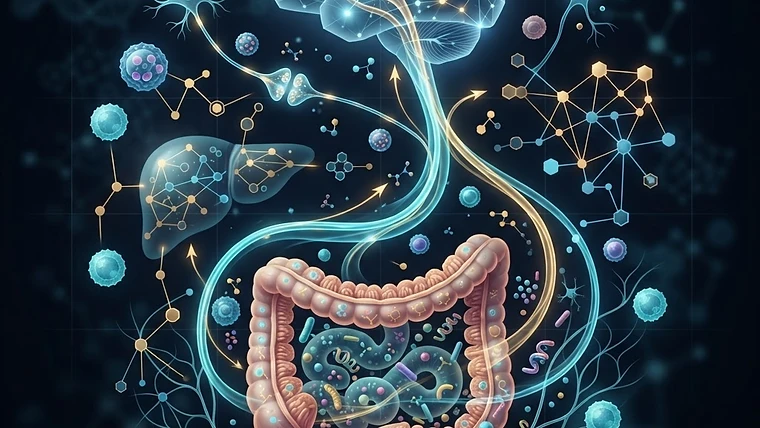
Perhaps the most fascinating area of current research is the gut-brain axis. This bidirectional communication network links the intestinal microbiota with the central nervous system via immune, neuroendocrine, and neural pathways.
When parasites inhabit the gut, they can disrupt the delicate balance of the microbiome. This dysbiosis can lead to low-grade, chronic inflammation. Because the gut and brain are in constant communication, this intestinal inflammation can manifest as neuroinflammation. Emerging studies indicate that this process may be a contributing factor in various neurological and psychiatric conditions, including anxiety, depression, and cognitive fog.
Metabolic Health and the Inflammatory Link
Metabolic syndrome and type 2 diabetes are defined by insulin resistance and chronic, low-level systemic inflammation. Interestingly, some research explores how parasitic infections might influence these metabolic states.
While some studies suggest that certain helminth infections might induce immune responses that could theoretically promote insulin sensitivity, others highlight how parasitic-induced inflammation can disrupt metabolic homeostasis. The relationship is complex, and scientists are currently working to understand how these organisms alter microbial metabolic outputs, such as short-chain fatty acids, which play a critical role in maintaining metabolic health.
Neuroinflammation and Behavioral Dysfunction
Beyond the gut, some parasites possess neurotropic capabilities, meaning they can directly or indirectly influence the central nervous system. By triggering neuroinflammation, these organisms may destabilize neural homeostasis.
Recent reviews have highlighted that parasitic excretory products and extracellular vesicles can modulate brain inflammation, potentially impacting neurotransmission. This provides a compelling, albeit complex, framework for understanding how systemic infections might contribute to behavioral changes and cognitive decline.
A New Perspective on Chronic Conditions
As we continue to map the intricate connections between the immune system, the microbiome, and our metabolic and mental health, it becomes clear that our internal environment is far more dynamic than previously thought. The study of these interactions is still in its infancy, but it offers a promising frontier for understanding the root causes of chronic health challenges.
For those interested in exploring these concepts further, James Young, RN, provides a deeper look into these mechanisms in his book, The Parasite-Disease Connection, which serves as a valuable resource for understanding the broader implications of these biological interactions.
Conclusion
While the science is evolving, the message is clear: our health is a reflection of a vast, interconnected system. By looking closer at the role of parasites and their influence on inflammation, we may gain new insights into the complexities of metabolic and mental health. As always, this field remains a space for ongoing scientific inquiry, reminding us that the most profound answers often lie in the smallest of places.
Frequently Asked Questions
Can parasites affect my mental health?
Research suggests that parasites may influence the central nervous system through neuroinflammation and the gut-brain axis, which may be linked to conditions like anxiety and depression.
Is there a link between parasites and diabetes?
Some studies indicate that intestinal parasites can alter gut microbiota and inflammatory processes, which may play a role in metabolic health and insulin resistance.
What is the gut-brain axis?
The gut-brain axis is a bidirectional communication network that connects the intestinal microbiota to the central nervous system, allowing the gut to influence brain function and vice versa.
How does chronic inflammation impact the body?
Chronic, low-grade inflammation is a common factor in many metabolic and autoimmune conditions, often resulting from immune dysregulation and persistent stressors within the body.
Frequently asked questions
Can parasites affect my mental health?
Research suggests that parasites may influence the central nervous system through neuroinflammation and the gut-brain axis, which may be linked to conditions like anxiety and depression.
Is there a link between parasites and diabetes?
Some studies indicate that intestinal parasites can alter gut microbiota and inflammatory processes, which may play a role in metabolic health and insulin resistance.
What is the gut-brain axis?
The gut-brain axis is a bidirectional communication network that connects the intestinal microbiota to the central nervous system, allowing the gut to influence brain function and vice versa.
How does chronic inflammation impact the body?
Chronic, low-grade inflammation is a common factor in many metabolic and autoimmune conditions, often resulting from immune dysregulation and persistent stressors within the body.