The Hidden Link: Parasites, Inflammation, and Brain Health
Explore the emerging science connecting parasitic activity, chronic inflammation, and the gut-brain axis to metabolic and mental health conditions.
Evidence context
This article is an educational research review. Associations do not prove causation, and medical decisions should be made with qualified healthcare professionals using the underlying cited evidence.
Topic overview
Cancer and parasites research overviewThe Invisible Influence: Parasites and Systemic Health
For decades, the scientific community viewed the brain as an immune-privileged site, largely shielded from the chaos of systemic infections. However, modern research is rapidly dismantling this view. We now understand that the body is a deeply interconnected ecosystem where the gut, the immune system, and the brain exist in a constant, bidirectional dialogue. At the center of this conversation lies an often-overlooked variable: the role of parasitic organisms in modulating host physiology.
Emerging science suggests that parasites—ranging from protozoa to helminths—do more than just compete for nutrients. They act as potent modulators of the gut microbiome, the immune system, and, by extension, our metabolic and mental health. By triggering chronic, low-grade inflammation, these organisms may play a role in the complex landscape of modern health challenges, including metabolic syndrome, cognitive fog, and mood disorders.
The Gut-Brain Axis: A Highway for Inflammation
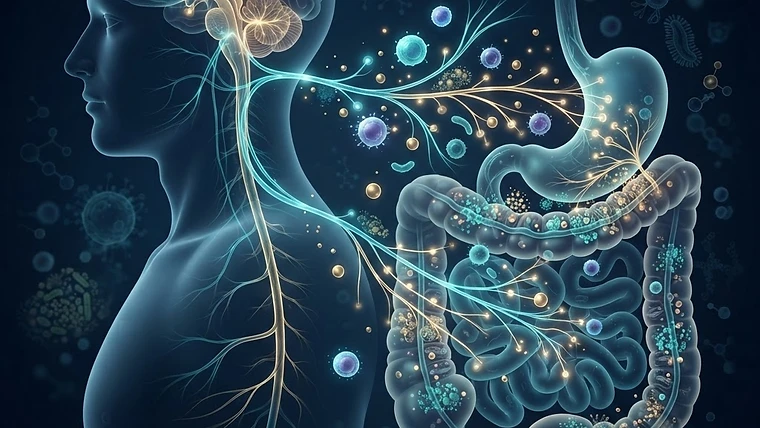
The gut-brain axis is a sophisticated communication network linking the intestinal microbiota to the central nervous system (CNS) via immune, neuroendocrine, and neural pathways. When this axis is disrupted—a state often referred to as dysbiosis—the consequences can be systemic.
Research indicates that parasitic infections can alter the composition of the gut microbiota and the production of microbial metabolites, such as short-chain fatty acids. These changes can compromise the intestinal barrier, leading to increased permeability. When the gut barrier is breached, systemic inflammation often follows. This peripheral inflammation can then cross the blood-brain barrier, triggering neuroinflammation—a state increasingly linked to conditions like anxiety, depression, and cognitive decline.
Parasites and the Metabolic Landscape
The relationship between parasites and metabolic health is nuanced. While some studies have explored how certain helminths might influence insulin resistance, the broader picture involves the impact of chronic immune activation. Metabolic syndrome, characterized by insulin resistance and systemic inflammation, is often exacerbated by persistent immune dysregulation.
Parasites are masters of immunomodulation. They often recruit regulatory T cells (Tregs) to suppress the host's immune response, allowing them to persist. This constant tug-of-war between the parasite and the immune system creates a state of chronic, low-grade inflammation. Over time, this inflammatory milieu can interfere with metabolic signaling, potentially contributing to the development of metabolic conditions.
Neuroinflammation and Behavioral Dysfunction
Perhaps the most compelling area of recent research is the link between parasitic infection and behavioral changes. Whether through direct neurotropism—where parasites invade the CNS—or indirect pathways involving systemic cytokines, the impact on brain function is significant.
Studies have shown that parasitic excretory products and extracellular vesicles can modulate brain inflammation, destabilizing neural homeostasis. This neuroinflammatory state is a known contributor to behavioral and cognitive shifts. When the brain is under constant inflammatory stress, it can manifest as brain fog, mood instability, or heightened anxiety. The "decision-sensing" systems used by some parasites to navigate host immune responses further highlight the sophisticated ways these organisms interact with our internal chemistry.
A New Perspective on Chronic Health
As we continue to map the complex interactions between the microbiome, the immune system, and the brain, it becomes clear that we must broaden our understanding of what drives chronic health issues. The presence of parasites is not merely a tropical concern; it is a factor in the broader ecology of human health.
For those seeking to understand these mechanisms in greater depth, the work of James Young, RN, in The Parasite-Disease Connection provides a comprehensive look at how these biological interactions may influence long-term wellness. By viewing the body as a holistic system, we can better appreciate the subtle, often invisible, factors that shape our metabolic and mental vitality.
Conclusion
The science of the parasite-host relationship is evolving from a focus on acute infection to an appreciation of chronic, systemic modulation. While we are only beginning to understand the full extent of these interactions, the evidence suggests that inflammation is the common thread linking parasitic activity to the modern epidemic of metabolic and mental health challenges. Continued research into these pathways promises to reveal new insights into how we might support our immune systems and maintain homeostasis in an increasingly complex world.
Frequently Asked Questions
How do parasites contribute to chronic inflammation?
Parasites often trigger a persistent immune response. To survive, they may release molecules that modulate the immune system, leading to a state of chronic, low-grade inflammation that can affect the entire body.
What is the link between the gut and mental health?
The gut-brain axis allows the gut microbiome and the immune system to communicate directly with the brain. When parasites disrupt the gut environment, it can lead to systemic inflammation, which may manifest as neuroinflammation, potentially influencing mood and cognitive function.
Can parasites affect metabolic health?
Yes, research suggests that chronic immune activation and the resulting inflammation can interfere with metabolic processes, potentially contributing to insulin resistance and metabolic syndrome.
Is neuroinflammation a common result of parasitic infection?
Emerging studies indicate that both direct parasitic invasion and indirect systemic inflammation can trigger neuroinflammation, which is increasingly recognized as a factor in various neurological and psychiatric conditions.
Frequently asked questions
How do parasites contribute to chronic inflammation?
Parasites often trigger a persistent immune response. To survive, they may release molecules that modulate the immune system, leading to a state of chronic, low-grade inflammation that can affect the entire body.
What is the link between the gut and mental health?
The gut-brain axis allows the gut microbiome and the immune system to communicate directly with the brain. When parasites disrupt the gut environment, it can lead to systemic inflammation, which may manifest as neuroinflammation, potentially influencing mood and cognitive function.
Can parasites affect metabolic health?
Yes, research suggests that chronic immune activation and the resulting inflammation can interfere with metabolic processes, potentially contributing to insulin resistance and metabolic syndrome.
Is neuroinflammation a common result of parasitic infection?
Emerging studies indicate that both direct parasitic invasion and indirect systemic inflammation can trigger neuroinflammation, which is increasingly recognized as a factor in various neurological and psychiatric conditions.