The Hidden Link: Parasites, Inflammation, and Brain Health
Explore the emerging science behind how parasitic organisms may influence the gut-brain axis, systemic inflammation, and metabolic and mental health conditions.
Evidence context
This article is an educational research review. Associations do not prove causation, and medical decisions should be made with qualified healthcare professionals using the underlying cited evidence.
Topic overview
Cancer and parasites research overviewThe Invisible Influence: Parasites and the Body-Brain Connection
For decades, the scientific community has focused heavily on bacteria, diet, and lifestyle as the primary drivers of our health. However, a growing body of research is turning its attention to a more complex, often overlooked factor: the role of parasitic organisms—including protozoa and helminths—in modulating host immunity, gut ecology, and brain function. Emerging science suggests that these organisms do not merely exist within a host; they actively participate in a bidirectional communication network known as the infection-immunity-brain axis.
The Gut-Brain Axis and Immune Dysregulation
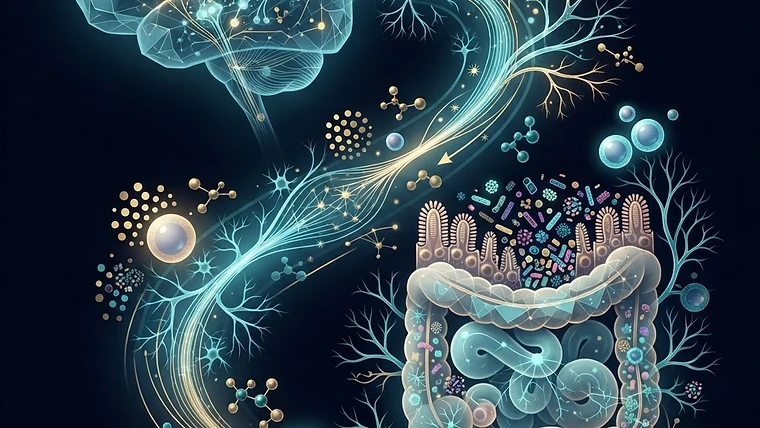
The gut-brain axis is a sophisticated communication network linking the intestinal microbiota to the central nervous system (CNS) via immune, neuroendocrine, and neural pathways. Research indicates that parasitic infections can significantly alter the composition of the gut microbiome and the production of microbial metabolites, such as short-chain fatty acids. These changes can trigger an immune cascade that influences neurotransmitter metabolism and neural circuitry.
When the immune system is chronically activated by the presence of parasites, it can lead to systemic inflammation. This state of chronic inflammation is increasingly recognized as a potential contributor to various metabolic and mental health conditions. By modulating the host's immune response, parasites may indirectly influence the brain, potentially contributing to symptoms of cognitive fog, mood disorders, and anxiety.
Neuroinflammation: When the Brain Responds to Peripheral Infection
One of the most compelling areas of current research is how peripheral parasitic infections can lead to neuroinflammation. Studies have shown that certain parasites can cross the blood-brain barrier or influence the CNS indirectly by triggering systemic inflammatory responses. This process can destabilize neural homeostasis, potentially impacting cognitive function and behavior.
For instance, microglia—the brain's resident immune cells—and recruited macrophages play a critical role in responding to these infections. Research suggests that these cells exhibit diverging responses during infection and resolution, which may have long-term implications for brain health. The resulting neuroinflammation is a key area of study for understanding how infections might be linked to conditions like depression and cognitive decline.
Metabolic Health and the Parasite Connection
The relationship between parasites and metabolic health is equally complex. While some studies have explored how certain helminths might influence insulin resistance, others suggest that parasitic infections can exacerbate metabolic syndrome and obesity-related inflammation. The stage of infection and the specific species involved appear to be critical factors in determining whether the host-parasite interaction is protective or harmful.
In some models, parasitic excretory products have been shown to modulate gut barrier function and influence metabolic signaling. However, the disruption of the gut microbiota caused by these organisms can also lead to metabolic dysregulation, highlighting the need for a nuanced understanding of how these organisms interact with our metabolic pathways.
A New Perspective on Chronic Health
As we continue to map the infection-immunity-brain axis, it becomes clear that our understanding of health is evolving. The interplay between parasites, inflammation, and the immune system is not just a matter of infectious disease; it is a fundamental aspect of human physiology that may hold keys to understanding chronic conditions. For those interested in exploring these concepts further, James Young, RN, provides a deeper look into these mechanisms in his book, The Parasite-Disease Connection, which examines the broader implications of these interactions on human health.
While the science is still emerging, the convergence of research across parasitology, immunology, and neuroscience offers a promising path toward understanding the complex factors that influence our well-being. By viewing the body as an integrated system, we can better appreciate the subtle, often invisible, forces that shape our health.
Frequently Asked Questions
How do parasites affect the gut-brain axis?
Research suggests that parasites can alter gut microbiota composition and microbial metabolic outputs, which in turn trigger immune signaling that communicates with the brain, potentially influencing mood and cognitive function.
Can parasitic infections lead to neuroinflammation?
Yes, studies indicate that certain parasites can trigger neuroinflammation by crossing the blood-brain barrier or by inducing systemic inflammatory responses that affect the central nervous system.
Is there a link between parasites and metabolic health?
Emerging research shows that parasitic infections can influence metabolic pathways, with some studies suggesting they may impact insulin resistance and obesity-related inflammation, depending on the parasite species and infection stage.
What is the role of the immune system in this connection?
Parasites often modulate the host's immune response to ensure their own survival. This chronic immune activation can lead to systemic inflammation, which is a known factor in various metabolic and mental health conditions.
Frequently asked questions
How do parasites affect the gut-brain axis?
Research suggests that parasites can alter gut microbiota composition and microbial metabolic outputs, which in turn trigger immune signaling that communicates with the brain, potentially influencing mood and cognitive function.
Can parasitic infections lead to neuroinflammation?
Yes, studies indicate that certain parasites can trigger neuroinflammation by crossing the blood-brain barrier or by inducing systemic inflammatory responses that affect the central nervous system.
Is there a link between parasites and metabolic health?
Emerging research shows that parasitic infections can influence metabolic pathways, with some studies suggesting they may impact insulin resistance and obesity-related inflammation, depending on the parasite species and infection stage.
What is the role of the immune system in this connection?
Parasites often modulate the host's immune response to ensure their own survival. This chronic immune activation can lead to systemic inflammation, which is a known factor in various metabolic and mental health conditions.