The Hidden Link: Parasites, Inflammation, and Brain Health
Explore the emerging science behind how parasitic organisms may influence the gut-brain axis, systemic inflammation, and metabolic and mental health conditions.
Evidence context
This article is an educational research review. Associations do not prove causation, and medical decisions should be made with qualified healthcare professionals using the underlying cited evidence.
Topic overview
Cancer and parasites research overviewThe Hidden Link: Parasites, Inflammation, and Brain Health
In the landscape of modern health, we often look at our bodies as isolated systems. We treat metabolic issues like diabetes in one clinic, mood disorders like anxiety or depression in another, and digestive concerns in a third. However, emerging research is beginning to bridge these gaps, suggesting that the body is a deeply interconnected network where the gut, the immune system, and the brain are in constant, complex dialogue.
One of the most intriguing and under-discussed areas of this research involves the role of parasitic organisms—ranging from protozoa to helminths—in modulating this dialogue. While we often associate parasites with acute tropical illness, science is now exploring how chronic, low-level interactions with these organisms may influence systemic inflammation, metabolic health, and even cognitive function.
The Infection-Immunity-Brain Axis
At the heart of this exploration is the "infection-immunity-brain axis." This framework describes how parasitic infections can trigger a cascade of immune responses that extend far beyond the site of the initial infection. When the body detects a foreign organism, it initiates an immune response, releasing cytokines and other signaling molecules.
Research suggests that this peripheral immune activation can communicate directly with the central nervous system (CNS). In some cases, this leads to neuroinflammation—a state of chronic, low-grade inflammation within the brain. Because the brain is highly sensitive to its chemical environment, this inflammatory state may disrupt neural homeostasis, potentially contributing to what many describe as "brain fog," mood instability, or cognitive decline.
Parasites and the Gut-Brain Connection
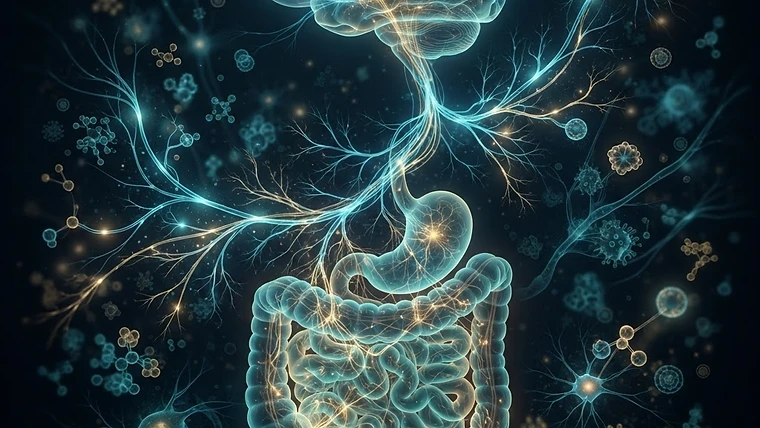
We now understand the gut-brain axis as a bidirectional communication network. While much of the focus has been on bacteria and diet, parasitic organisms are increasingly recognized as major modulators of gut ecology.
Studies indicate that intestinal parasites can alter the composition of the gut microbiota and change the profile of microbial metabolites, such as short-chain fatty acids. These metabolites are crucial for maintaining the integrity of the gut barrier. When this barrier is compromised—a state sometimes referred to as "leaky gut"—it can allow inflammatory triggers to enter the bloodstream, further fueling systemic inflammation and potentially impacting mental health conditions like anxiety and depression.
Metabolic Health and Immune Dysregulation
Beyond the brain, the impact of these interactions extends to metabolic health. The relationship between parasites and metabolic syndrome is complex. Some research suggests that certain parasitic infections can exacerbate inflammation, which is a known driver of insulin resistance and metabolic dysfunction.
Conversely, other studies have explored how specific parasitic interactions might influence adipogenic signaling. It is important to note that these effects are highly dependent on the species of the parasite and the stage of the infection. The science is not suggesting a simple cause-and-effect relationship, but rather highlighting that the immune system's response to these organisms can significantly alter how the body processes energy and maintains metabolic balance.
Neuroinflammation and Behavioral Dysfunction
Perhaps the most compelling area of current research is how parasites influence behavior. Some neurotropic parasites are known to invade the CNS directly, triggering localized immune responses. However, even non-neurotropic parasites can influence the brain indirectly through the systemic inflammatory pathways mentioned earlier.
By reshaping the immune environment, these organisms may influence neurotransmitter metabolism. Since neurotransmitters like serotonin and dopamine are essential for mood regulation, any disruption in their pathways can manifest as behavioral changes. This "parasite facilitation" hypothesis suggests that the biological drive of an organism to survive can, in some instances, influence the host's neurochemistry.
A New Perspective on Chronic Health
As we continue to map these pathways, it becomes clear that our understanding of chronic health conditions is evolving. We are moving away from viewing diseases as isolated events and toward a model that accounts for the complex, long-term interactions between our bodies and the microscopic world.
For those interested in exploring these concepts further, James Young, RN, provides a deeper look into these mechanisms in his book, The Parasite-Disease Connection. It serves as a valuable resource for those looking to understand the broader implications of how these hidden factors may influence our overall well-being.
Conclusion
While the science of the parasite-immune-brain connection is still in its early stages, it offers a fascinating lens through which to view the complexities of human health. By acknowledging the role of inflammation and the gut-brain axis, we gain a more holistic understanding of how our internal environment shapes our physical and mental state. As research progresses, it will likely continue to reveal new insights into the intricate dance between our immune systems and the organisms that share our biological space.
Frequently Asked Questions
Can parasites cause brain fog or cognitive issues?
Research suggests that systemic inflammation triggered by various factors, including parasitic infections, can lead to neuroinflammation. This state may disrupt neural homeostasis, which some studies associate with symptoms like cognitive fog or mood changes.
How do parasites affect the gut-brain axis?
Parasites can alter the gut microbiota and the production of microbial metabolites. These changes can influence the gut barrier and trigger immune signaling that communicates with the brain, potentially impacting mental health and behavior.
Is there a link between parasites and metabolic syndrome?
Some studies indicate that parasitic infections can influence inflammatory pathways and adipogenic signaling, which are key factors in metabolic health and insulin resistance. The effect often depends on the specific parasite and the stage of infection.
Does this mean parasites are the cause of all chronic illness?
No. The scientific community views these interactions as one of many potential factors in a complex web of health. It is essential to consult with healthcare professionals for any medical concerns and to avoid assuming a single cause for complex chronic conditions.
Frequently asked questions
Can parasites cause brain fog or cognitive issues?
Research suggests that systemic inflammation triggered by various factors, including parasitic infections, can lead to neuroinflammation. This state may disrupt neural homeostasis, which some studies associate with symptoms like cognitive fog or mood changes.
How do parasites affect the gut-brain axis?
Parasites can alter the gut microbiota and the production of microbial metabolites. These changes can influence the gut barrier and trigger immune signaling that communicates with the brain, potentially impacting mental health and behavior.
Is there a link between parasites and metabolic syndrome?
Some studies indicate that parasitic infections can influence inflammatory pathways and adipogenic signaling, which are key factors in metabolic health and insulin resistance. The effect often depends on the specific parasite and the stage of infection.
Does this mean parasites are the cause of all chronic illness?
No. The scientific community views these interactions as one of many potential factors in a complex web of health. It is essential to consult with healthcare professionals for any medical concerns and to avoid assuming a single cause for complex chronic conditions.