The Hidden Link: Parasites, Inflammation, and Brain Health
Explore the emerging science behind how parasitic organisms may influence systemic inflammation, the gut-brain axis, and metabolic and mental health conditions.
Evidence context
This article is an educational research review. Associations do not prove causation, and medical decisions should be made with qualified healthcare professionals using the underlying cited evidence.
Topic overview
Cancer and parasites research overviewThe Invisible Influence: Parasites and the Body-Brain Connection
For decades, the scientific community has focused heavily on bacteria, diet, and lifestyle as the primary drivers of our health. However, a fascinating and under-discussed frontier is emerging: the role of parasitic organisms—including protozoa and helminths—in modulating human physiology. Emerging research suggests that these organisms are not merely passive passengers but active participants in the complex dance of our immune system, gut ecology, and brain function.
The Infection-Immunity-Brain Axis
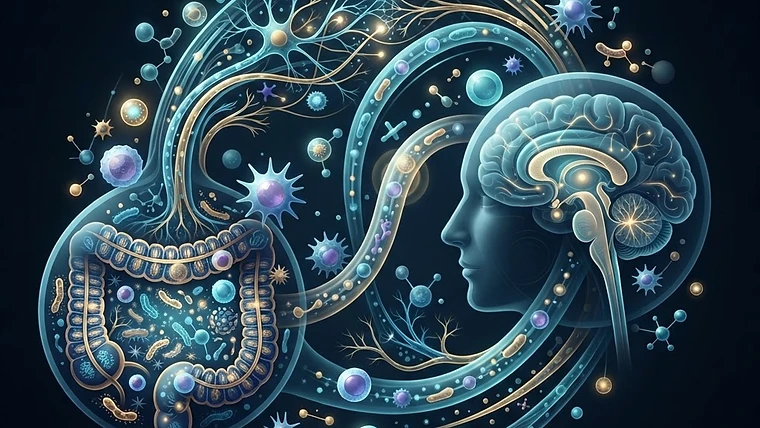
We now understand the gut-brain axis as a bidirectional communication network. While we often think of this in terms of our microbiome, parasites represent a significant, often overlooked, class of modulators. Research indicates that parasitic infections can initiate an immune cascade that alters neurotransmitter metabolism and neural circuitry. This "infection-immunity-brain" axis suggests that peripheral infections can lead to systemic inflammation, which in turn may influence cognitive function and mood.
Studies have shown that even parasites residing in the gut can exert immunomodulatory effects that ripple throughout the body. By altering the composition of the gut microbiota and shifting the profile of microbial metabolites—such as short-chain fatty acids—these organisms may indirectly influence the central nervous system (CNS).
Neuroinflammation and Behavioral Shifts
One of the most compelling areas of study is how parasitic infections trigger neuroinflammation. It is not just neurotropic parasites (those that directly invade the brain) that are of interest. Even systemic, peripheral infections can destabilize neural homeostasis. When the body detects a parasite, it mounts an immune response characterized by the release of cytokines. If this response becomes chronic, it can lead to persistent neuroinflammation.
This state of chronic inflammation is increasingly being investigated for its potential role in behavioral and cognitive changes. Some research suggests that this inflammatory signaling may contribute to feelings of cognitive fog, mood disorders, and shifts in behavior. The mechanism often involves the disruption of the blood-brain barrier, allowing immune cells and inflammatory markers to interact with brain tissue in ways that alter normal signaling.
Metabolic Health and the Immune Response
Beyond the brain, the impact of parasites on metabolic health is a subject of intense scientific curiosity. Metabolic syndrome, type 2 diabetes, and obesity are all characterized by chronic, low-level systemic inflammation. Interestingly, some research explores the complex relationship between helminth infections and metabolic regulation.
While some studies suggest that certain parasitic interactions might induce regulatory immune responses that could theoretically influence insulin sensitivity, other research highlights how different species or stages of infection can exacerbate inflammation and aggravate metabolic disorders. This duality underscores the complexity of the host-parasite relationship; it is not a simple "good or bad" binary, but a nuanced interaction that depends on the specific organism, the host's immune status, and the duration of the infection.
Navigating the Complexity
As we continue to map these interactions, it becomes clear that the human body is a highly integrated system. The inflammation associated with parasitic presence does not stay localized. It influences the adipose tissue, the gut lining, and the brain simultaneously. This systemic nature of the immune response is why researchers are increasingly looking at the "parasite-immune-neurotransmitter" triad to better understand conditions that have previously been viewed in isolation.
It is important to approach this field with a sense of scientific wonder rather than alarm. The science is still evolving, and many of these mechanisms are being explored in experimental models. For those interested in a deeper dive into how these biological connections are framed within the broader context of human health, the book The Parasite-Disease Connection by James Young, RN, offers a comprehensive look at these complex relationships.
Conclusion
Understanding the role of parasites in human health requires us to look beyond the surface. By viewing the body as a dynamic ecosystem where immune regulation, metabolic health, and mental clarity are deeply intertwined, we gain a more holistic perspective on the factors that influence our well-being. As research continues to bridge the gap between parasitology, immunology, and neurology, we may find that the answers to some of our most persistent health questions lie in these hidden, microscopic interactions.
Frequently Asked Questions
Q: Can parasites directly cause mental health conditions? A: Research suggests that parasitic infections can trigger systemic inflammation and neuroinflammation, which may influence neurotransmitter pathways and contribute to behavioral or cognitive changes. However, these are complex, multifactorial issues, and science is still exploring the specific mechanisms involved.
Q: How does the gut-brain axis relate to parasitic infections? A: The gut-brain axis is a communication network. Parasites can alter the gut microbiome and metabolic outputs, which in turn send signals to the immune system and the brain, potentially impacting mood and cognitive function.
Q: Is there a link between parasites and metabolic syndrome? A: Some studies indicate that parasitic infections can modulate the immune system in ways that affect insulin sensitivity and systemic inflammation, which are key components of metabolic syndrome and diabetes. The effects vary significantly depending on the parasite species and the host's health status.
Q: What is neuroinflammation? A: Neuroinflammation is the inflammation of the nervous tissue. It is often a response to infection, injury, or chronic immune activation, and it is currently a major focus of research regarding how peripheral infections impact brain health.
Frequently asked questions
Can parasites directly cause mental health conditions?
Research suggests that parasitic infections can trigger systemic inflammation and neuroinflammation, which may influence neurotransmitter pathways and contribute to behavioral or cognitive changes. However, these are complex, multifactorial issues, and science is still exploring the specific mechanisms involved.
How does the gut-brain axis relate to parasitic infections?
The gut-brain axis is a communication network. Parasites can alter the gut microbiome and metabolic outputs, which in turn send signals to the immune system and the brain, potentially impacting mood and cognitive function.
Is there a link between parasites and metabolic syndrome?
Some studies indicate that parasitic infections can modulate the immune system in ways that affect insulin sensitivity and systemic inflammation, which are key components of metabolic syndrome and diabetes. The effects vary significantly depending on the parasite species and the host's health status.
What is neuroinflammation?
Neuroinflammation is the inflammation of the nervous tissue. It is often a response to infection, injury, or chronic immune activation, and it is currently a major focus of research regarding how peripheral infections impact brain health.