Parasites, Inflammation, and the Hidden Roots of Chronic Disease
Explore the emerging scientific intersection between parasitic activity, systemic inflammation, and the gut-brain axis in the context of metabolic and mental health.
Evidence context
This article is an educational research review. Associations do not prove causation, and medical decisions should be made with qualified healthcare professionals using the underlying cited evidence.
Topic overview
Cancer and parasites research overviewThe Invisible Influence: Parasites and Systemic Health
For much of the twentieth century, the scientific community viewed parasitic infections primarily through the lens of acute illness. However, as our understanding of the human microbiome and immune system evolves, a more complex picture is emerging. Research now suggests that the relationship between humans and parasitic organisms—ranging from protozoa to helminths—is far more intricate than previously understood. Emerging science is beginning to explore how these organisms may act as silent modulators of host immunity, metabolic homeostasis, and even neurological function.
The Gut-Brain Axis and Neuroinflammation
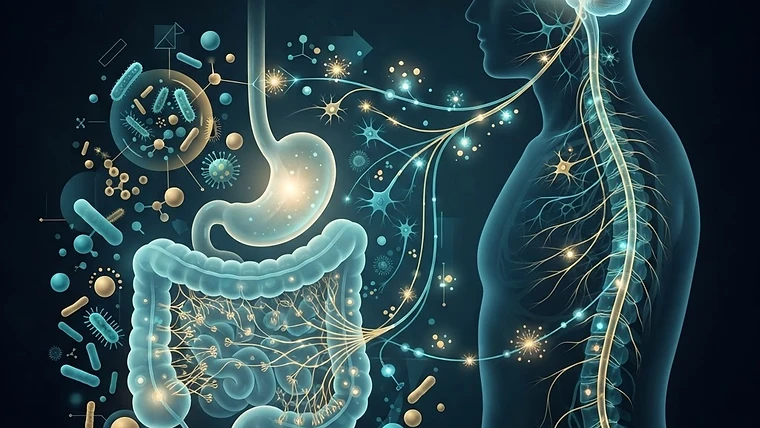
The gut-brain axis is a bidirectional communication network linking the intestinal environment to the central nervous system (CNS). While much of the current focus in this field has been on diet and bacterial dysbiosis, recent studies indicate that parasites represent a significant, yet underappreciated, class of modulators of gut ecology.
When parasites inhabit the gastrointestinal tract, they can alter the composition of the microbiota and shift the production of microbial metabolites, such as short-chain fatty acids. These changes can trigger systemic immune activation. Research suggests that this peripheral inflammation can cross the blood-brain barrier, leading to neuroinflammation—a state increasingly linked to cognitive fog, mood disorders, and behavioral changes. By disrupting the delicate balance of the gut-brain axis, these organisms may indirectly influence mental health conditions like anxiety and depression.
Metabolic Syndrome and Immune Dysregulation
The connection between parasites and metabolic health is another area of intense scientific curiosity. Chronic, low-grade inflammation is a hallmark of metabolic syndrome and insulin resistance. Some studies have observed that parasitic infections can influence metabolic pathways, potentially altering how the body processes glucose and manages insulin sensitivity.
While some helminths have been studied for their potential to modulate immune responses in ways that might improve insulin resistance, other parasitic interactions are associated with inflammatory responses that may exacerbate metabolic dysfunction. The interplay is highly complex, suggesting that the host's nutritional status and existing metabolic health play a critical role in how these interactions manifest.
Beyond the Gut: Direct and Indirect Mechanisms
How do these organisms exert such widespread effects? The mechanisms are diverse. Some parasites are neurotropic, meaning they have the capacity to directly invade or influence the CNS. Others act indirectly by releasing excretory products and extracellular vesicles that circulate throughout the body, signaling the immune system to remain in a state of heightened alert. This chronic immune activation consumes significant metabolic resources and contributes to the systemic inflammation that characterizes many modern autoimmune and metabolic conditions.
A New Perspective on Chronic Health
As we look toward the future of integrative health, the role of the microbiome—including its parasitic components—cannot be ignored. Understanding these biological interactions requires a shift in perspective: viewing the body not just as a host, but as an ecosystem. For those interested in exploring these concepts further, James Young, RN, provides a comprehensive look at these dynamics in his book, The Parasite-Disease Connection, which serves as a valuable resource for understanding the broader implications of these hidden biological relationships.
Conclusion
The science of the parasite-host relationship is still in its infancy, but the implications for our understanding of chronic disease are profound. By investigating how inflammation, immune dysregulation, and the gut-brain axis converge, researchers are uncovering new ways to think about metabolic and mental health. As always, this field remains a space for ongoing discovery, reminding us that the most significant influences on our health are often the ones we cannot see.
Frequently Asked Questions
Can parasites affect my mental health?
Research suggests that parasites can influence the central nervous system through the gut-brain axis, potentially contributing to neuroinflammation, which is linked to symptoms like anxiety, depression, and cognitive fog.
How do parasites relate to metabolic health?
Studies indicate that parasitic infections can trigger systemic inflammation and alter gut microbiota, both of which are factors that may influence insulin resistance and metabolic syndrome.
What is the gut-brain axis?
It is a bidirectional communication network where the gut microbiota and the central nervous system interact via immune, neuroendocrine, and neural pathways.
Is inflammation always caused by parasites?
No. Chronic inflammation is a complex condition with many drivers, including diet, stress, environmental toxins, and bacterial dysbiosis. Parasites are simply one of many potential factors that emerging science is currently investigating.
Frequently asked questions
Can parasites affect my mental health?
Research suggests that parasites can influence the central nervous system through the gut-brain axis, potentially contributing to neuroinflammation, which is linked to symptoms like anxiety, depression, and cognitive fog.
How do parasites relate to metabolic health?
Studies indicate that parasitic infections can trigger systemic inflammation and alter gut microbiota, both of which are factors that may influence insulin resistance and metabolic syndrome.
What is the gut-brain axis?
It is a bidirectional communication network where the gut microbiota and the central nervous system interact via immune, neuroendocrine, and neural pathways.
Is inflammation always caused by parasites?
No. Chronic inflammation is a complex condition with many drivers, including diet, stress, environmental toxins, and bacterial dysbiosis. Parasites are simply one of many potential factors that emerging science is currently investigating.