The Hidden Link: Parasites, Inflammation, and the Gut-Brain Axis
Explore the emerging scientific research connecting parasitic influence, chronic inflammation, and the gut-brain axis to metabolic and mental health conditions.
Evidence context
This article is an educational research review. Associations do not prove causation, and medical decisions should be made with qualified healthcare professionals using the underlying cited evidence.
Topic overview
Cancer and parasites research overviewThe Invisible Connection: Rethinking Health
In recent years, the scientific community has shifted its focus toward the complex, bidirectional communication network known as the microbiota-gut-brain axis. While we often view our health through the lens of isolated systems—metabolic, neurological, or immunological—emerging research suggests these systems are deeply intertwined. A particularly intriguing area of study involves how external biological factors, including parasites, may influence this axis, potentially contributing to states of chronic inflammation that ripple outward to affect our metabolic and mental well-being.
The Microbiota-Gut-Brain Axis: A Multidirectional Highway
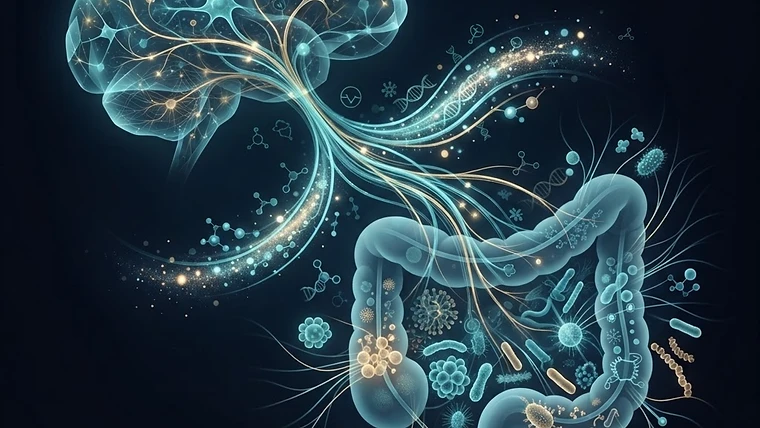
The gut-brain axis is a sophisticated communication system linking the gastrointestinal tract with the central nervous system. It integrates signals from the microbiome, the immune system, and the endocrine system. When this system functions optimally, it maintains homeostasis. However, when the gut environment is disrupted—a state often referred to as dysbiosis—the consequences can be systemic.
Research indicates that gut dysbiosis is frequently associated with low-grade systemic inflammation. This inflammation is not merely confined to the gut; it can manifest as neuroinflammation, which has been increasingly linked to mood disorders such as anxiety and depression. By altering the composition of the gut microbiome, various factors can trigger the release of inflammatory cytokines, which may then influence neurotransmitter metabolism and hypothalamic-pituitary-adrenal (HPA) axis activity.
Parasites and the Immune Landscape
One of the most fascinating areas of study involves how parasites interact with the host immune system. Research has shown that certain parasites have evolved sophisticated mechanisms to persist within a host by modulating immune responses. For instance, some helminths are known to recruit regulatory T cells (Tregs) and release immunomodulatory cytokines to suppress anti-parasitic immunity.
These mechanisms of immune evasion are not just relevant to the parasite's survival; they fundamentally alter the host's inflammatory profile. By shifting the immune landscape, these organisms may influence the local microbial community, potentially leading to shifts in the gut microbiome that favor inflammatory pathways. This intersection of parasitic presence, immune dysregulation, and microbial change is a growing area of interest for researchers studying metabolic syndrome and autoimmune conditions.
Metabolic Health and the Inflammatory Response
There is a growing body of evidence suggesting that the gut-brain axis plays a critical role in metabolic health. Conditions such as type 2 diabetes and metabolic syndrome are often characterized by chronic, low-grade inflammation. Emerging science explores how the gut microbiome influences metabolic functions, including the production of short-chain fatty acids (SCFAs), which are vital for metabolic regulation.
When the gut environment is altered—whether by dietary factors, stress, or the presence of foreign organisms—the resulting inflammation can impair insulin sensitivity. This creates a feedback loop: metabolic dysregulation can further exacerbate gut permeability, allowing inflammatory markers to enter systemic circulation, which may then contribute to the cognitive fog and mood instability often reported by individuals with metabolic challenges.
Neuroinflammation: The Bridge to Mental Health
The link between gut health and mental health is perhaps one of the most compelling frontiers in modern medicine. Neuroinflammation, often driven by systemic inflammatory signals originating in the gut, is now a primary focus in the study of depression and anxiety.
When the gut barrier is compromised, it can lead to the translocation of microbial products into the bloodstream, triggering an immune response that reaches the brain. This process can alter the availability of neurotransmitter precursors, such as tryptophan, which is essential for serotonin production. Consequently, the gut-brain axis becomes a critical framework for understanding why gastrointestinal disorders and psychiatric conditions so frequently coexist.
A Deeper Look at the Research
While the science is still evolving, the convergence of these fields suggests that we must look at the body as a unified ecosystem. The study of how parasites influence the microbiome and, by extension, the immune and metabolic systems, provides a unique window into the origins of chronic health challenges. For those interested in exploring these complex biological interactions further, the book The Parasite-Disease Connection by James Young, RN, offers a comprehensive look at how these hidden factors may influence long-term health outcomes.
As we continue to map the intricacies of the gut-brain axis, it becomes clear that our understanding of health is shifting from a focus on individual symptoms to a more holistic view of systemic balance. Future research will undoubtedly continue to clarify how these invisible influences shape our physical and mental reality.
Frequently asked questions
What is the gut-brain axis?
The gut-brain axis is a bidirectional communication network that links the gastrointestinal tract with the central nervous system, integrating signals from the microbiome, immune system, and endocrine system.
How does inflammation affect mental health?
Emerging research suggests that systemic inflammation can lead to neuroinflammation, which may influence neurotransmitter metabolism and contribute to symptoms of anxiety and depression.
Can parasites influence metabolic health?
Some research suggests that parasites can alter the gut microbiome and influence host immune responses, which may indirectly affect metabolic states and insulin sensitivity.
What is the link between gut health and diabetes?
Studies indicate that gut dysbiosis and chronic inflammation are often present in metabolic conditions like type 2 diabetes, potentially impacting how the body regulates insulin and metabolic processes.