Parasites, Inflammation, and the Gut-Brain Axis Connection
Explore the emerging scientific research linking parasitic activity, chronic inflammation, and the gut-brain axis to metabolic and mental health conditions.
Evidence context
This article is an educational research review. Associations do not prove causation, and medical decisions should be made with qualified healthcare professionals using the underlying cited evidence.
Topic overview
Cancer and parasites research overviewThe Hidden Link: Parasites, Inflammation, and the Gut-Brain Axis
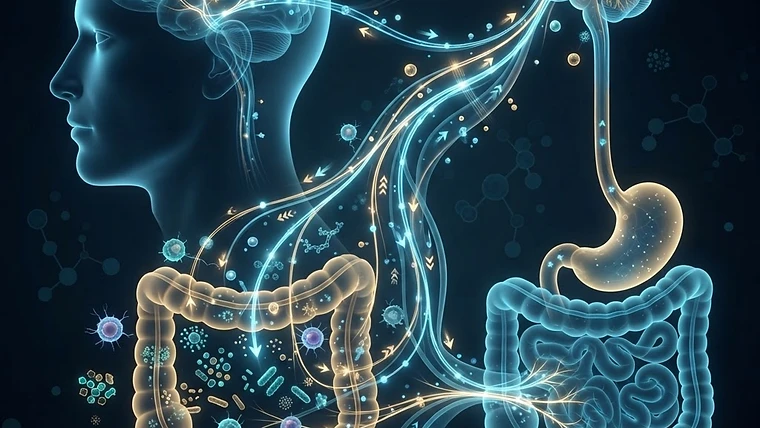
In recent years, the scientific community has shifted its focus toward the complex, bidirectional communication network known as the gut-brain axis. While much of this research centers on the microbiome, an emerging area of inquiry explores how parasitic organisms may influence this system. By modulating immune responses and altering metabolic outputs, these interactions are being studied for their potential role in chronic inflammation, metabolic syndrome, and various mental health conditions.
The Immune-Neurotransmitter Triad
Research suggests that the "infection-immunity-brain axis"—often described as a parasite-immune-neurotransmitter triad—provides a framework for understanding how biological stressors can impact brain function. Parasitic infections, whether protozoan or helminthic, can trigger systemic immune activation. This activation often leads to the release of cytokines, which are signaling proteins that mediate inflammation.
When this inflammatory response becomes chronic, it can cross the blood-brain barrier, leading to neuroinflammation. Emerging studies indicate that this process may alter tryptophan metabolism, a critical pathway for the production of serotonin, and influence glutamatergic signaling. These shifts in neurochemistry are increasingly being investigated as potential contributors to cognitive fog, mood disorders, and behavioral dysfunction.
Parasites and Metabolic Health
Beyond the brain, the impact of parasitic presence on metabolic health is a subject of growing interest. Parasites can alter the composition of the gut microbiota and the production of short-chain fatty acids, which are essential for maintaining intestinal barrier integrity.
When the gut barrier is compromised—a state often referred to as "leaky gut"—it can lead to low-grade systemic inflammation. This chronic inflammatory state is a known driver of insulin resistance and metabolic syndrome. By disrupting the delicate balance of the gut environment, these organisms may indirectly influence how the body processes glucose and manages energy, creating a complex interplay between infection, immunity, and metabolic stability.
Immune Dysregulation and Persistence
One of the most fascinating aspects of this research is how certain pathogens subvert the host's immune system to ensure their own survival. Studies have shown that some parasites can recruit regulatory T cells (Tregs) and upregulate immune checkpoint receptors, effectively "hiding" from the immune system.
This immunomodulatory strategy not only allows for persistence but also creates a state of immune dysregulation. When the immune system is constantly occupied with managing these persistent signals, it may become less efficient at maintaining homeostasis, potentially exacerbating autoimmune conditions and leaving the body more susceptible to other stressors.
The Gut-Brain Axis in Mental Health
Recent scoping reviews have mapped the mechanisms linking the gut-brain axis to conditions such as depression, anxiety, and schizophrenia. The evidence suggests that the communication between the gut and the brain is not merely chemical but also involves the vagus nerve and endocrine pathways.
When parasitic activity alters the gut environment, it can trigger the hypothalamic-pituitary-adrenal (HPA) axis, the body's primary stress response system. Chronic activation of the HPA axis is a hallmark of many depressive and anxiety disorders. By understanding these pathways, researchers are beginning to see how the presence of foreign organisms might be one of many factors contributing to the complex landscape of mental health.
A Deeper Look at the Connection
As we continue to explore these biological intersections, it becomes clear that the body is a highly integrated system where no organ or process functions in isolation. The study of how parasites interact with our immune and metabolic systems is still in its infancy, but it offers a compelling lens through which to view chronic health challenges. For those interested in a more comprehensive exploration of these themes, the book The Parasite-Disease Connection by James Young, RN, provides a deeper look into the historical and scientific context of these relationships.
While the science is evolving, the focus remains on understanding the fundamental mechanisms of human health. By continuing to investigate the links between our internal environment and our overall well-being, we move closer to a more holistic understanding of the factors that influence our long-term health.
Frequently Asked Questions
Can parasites cause chronic inflammation?
Research suggests that parasitic infections can trigger systemic immune activation, leading to the release of inflammatory cytokines. If the infection persists, this can result in chronic, low-grade inflammation.
How does the gut-brain axis relate to mental health?
The gut-brain axis is a bidirectional communication network. When the gut environment is disrupted—whether by diet, stress, or infection—it can influence neurotransmitter production and neuroinflammation, which are linked to anxiety and depression.
Is there a link between parasites and metabolic syndrome?
Emerging science explores how parasites may alter gut microbiota and intestinal barrier function, potentially contributing to systemic inflammation and insulin resistance, which are key components of metabolic syndrome.
What is neuroinflammation?
Neuroinflammation is the inflammation of the nervous tissue. It is often triggered by systemic immune responses and is being studied for its role in cognitive fog and various mood disorders.
Frequently asked questions
Can parasites cause chronic inflammation?
Research suggests that parasitic infections can trigger systemic immune activation, leading to the release of inflammatory cytokines. If the infection persists, this can result in chronic, low-grade inflammation.
How does the gut-brain axis relate to mental health?
The gut-brain axis is a bidirectional communication network. When the gut environment is disrupted—whether by diet, stress, or infection—it can influence neurotransmitter production and neuroinflammation, which are linked to anxiety and depression.
Is there a link between parasites and metabolic syndrome?
Emerging science explores how parasites may alter gut microbiota and intestinal barrier function, potentially contributing to systemic inflammation and insulin resistance, which are key components of metabolic syndrome.
What is neuroinflammation?
Neuroinflammation is the inflammation of the nervous tissue. It is often triggered by systemic immune responses and is being studied for its role in cognitive fog and various mood disorders.