Parasites, Inflammation, and the Gut-Brain Axis Connection
Explore the emerging scientific research on how parasitic interactions, immune regulation, and the gut-brain axis may influence metabolic health and mood disorders.
Evidence context
This article is an educational research review. Associations do not prove causation, and medical decisions should be made with qualified healthcare professionals using the underlying cited evidence.
Topic overview
Cancer and parasites research overviewParasites, Inflammation, and the Gut-Brain Axis Connection
In the landscape of modern health, the conversation around chronic conditions—ranging from metabolic syndrome and type 2 diabetes to anxiety and cognitive fog—is shifting. Researchers are increasingly looking beyond isolated symptoms to understand the systemic drivers of health. Among the most intriguing areas of study is the complex interplay between parasitic organisms, the immune system, and the gut-brain axis.
The Immune System as a Mediator of Health
At the heart of this exploration is the concept of immune homeostasis. The immune system is not merely a defense mechanism against external threats; it is a sophisticated regulatory network that maintains metabolic and physiological balance. Emerging science suggests that when this balance is disrupted, the body may enter a state of chronic, low-grade inflammation. This systemic inflammation is now recognized as a common denominator in many metabolic and mental health conditions.
The Paradox of Helminths and Metabolic Health
One of the most fascinating areas of current research involves helminths, or parasitic worms. While traditionally viewed solely as pathogens, some studies indicate that these organisms have evolved complex mechanisms to modulate the host's immune response to ensure their own survival.
Research suggests that helminth infections can drive the host's immune system toward an anti-inflammatory, type 2 immune phenotype. In the context of obesity and metabolic syndrome, where chronic inflammation often impairs insulin sensitivity, this modulation has sparked significant scientific curiosity. Some studies have observed an inverse correlation between helminth prevalence and the incidence of metabolic diseases, leading researchers to investigate whether the immune-regulatory signals produced by these parasites might influence glucose metabolism and adipose tissue health.
The Gut-Brain Axis: A Bidirectional Highway
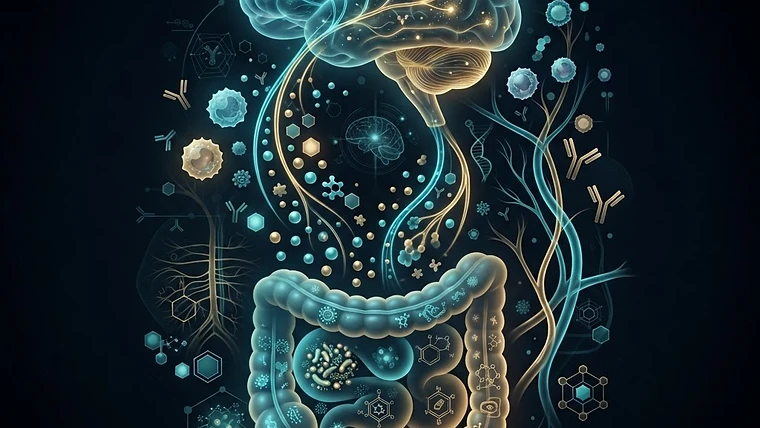
Beyond metabolism, the gut-brain axis serves as a critical communication network linking the gastrointestinal tract to the central nervous system. This bidirectional pathway involves neural, endocrine, and immune signaling. When the gut environment is altered—whether through dysbiosis, inflammation, or the presence of foreign organisms—the signals sent to the brain can change.
Emerging research explores how parasite-induced immune activation might contribute to neuroinflammation. Because the gut-brain axis is sensitive to systemic inflammatory markers, such as cytokines, shifts in gut ecology may have downstream effects on neurotransmitter metabolism. This has led to hypotheses regarding how these mechanisms might correlate with mood disorders, including anxiety and depression, as well as cognitive symptoms like brain fog.
Understanding Metabolic Inflammation
Metabolic syndrome is often characterized by insulin resistance and chronic inflammation originating in adipose tissue. In a healthy state, the immune system manages metabolic homeostasis. However, in states of metabolic stress, this system can become dysregulated.
Scientists are investigating how the presence of various organisms—and the excretory-secretory products they release—might interact with macrophages and other immune cells. The goal is to understand if these interactions can "re-educate" the immune system to dampen the pro-inflammatory responses that typically exacerbate insulin resistance and metabolic dysfunction.
A New Framework for Research
It is important to emphasize that this field is in its infancy. While the data regarding immune modulation and metabolic outcomes is compelling, it remains a subject of intense academic inquiry rather than clinical application. The goal of this research is to map the biological pathways that connect our internal ecology to our systemic health.
For those interested in a deeper dive into the historical and biological context of these interactions, the book The Parasite-Disease Connection by James Young, RN, provides a comprehensive look at how these complex relationships have been viewed through the lens of human health and disease over time.
Conclusion
The intersection of parasitology, immunology, and metabolic health represents a frontier in our understanding of the human body. By viewing the immune system as a dynamic regulator rather than a static defense, we open new doors to understanding why chronic conditions like diabetes and mood disorders are so prevalent in modern society. As research continues to evolve, we move closer to a more integrated view of health that accounts for the intricate, often invisible, connections that define our biological reality.
Frequently Asked Questions
How do parasites influence the gut-brain axis?
Research suggests that parasites can alter gut microbiota composition and trigger immune cascades that release inflammatory cytokines. These signals can travel along the gut-brain axis, potentially influencing neurotransmitter metabolism and neural circuitry.
Is there a link between parasites and diabetes?
Some studies indicate an inverse correlation between certain helminth infections and metabolic syndrome. Researchers are exploring whether the anti-inflammatory immune responses induced by these parasites might help regulate glucose metabolism and insulin sensitivity.
What is the role of chronic inflammation in mental health?
Chronic, low-grade inflammation is increasingly linked to neuroinflammation. When systemic inflammation is high, it can affect the brain's environment, which some researchers believe may contribute to symptoms of anxiety, depression, and cognitive fog.
Can parasites be used to treat metabolic conditions?
While some studies show that parasitic products can modulate immune responses in experimental models, this is a subject of ongoing scientific research. There are no current medical recommendations to use parasites as a treatment for metabolic or mental health conditions.
Frequently asked questions
How do parasites influence the gut-brain axis?
Research suggests that parasites can alter gut microbiota composition and trigger immune cascades that release inflammatory cytokines. These signals can travel along the gut-brain axis, potentially influencing neurotransmitter metabolism and neural circuitry.
Is there a link between parasites and diabetes?
Some studies indicate an inverse correlation between certain helminth infections and metabolic syndrome. Researchers are exploring whether the anti-inflammatory immune responses induced by these parasites might help regulate glucose metabolism and insulin sensitivity.
What is the role of chronic inflammation in mental health?
Chronic, low-grade inflammation is increasingly linked to neuroinflammation. When systemic inflammation is high, it can affect the brain's environment, which some researchers believe may contribute to symptoms of anxiety, depression, and cognitive fog.
Can parasites be used to treat metabolic conditions?
While some studies show that parasitic products can modulate immune responses in experimental models, this is a subject of ongoing scientific research. There are no current medical recommendations to use parasites as a treatment for metabolic or mental health conditions.