Parasites, Inflammation, and the Gut-Brain Axis Connection
Explore the emerging scientific research linking parasitic activity, chronic inflammation, and the gut-brain axis to metabolic and mental health conditions.
Evidence context
This article is an educational research review. Associations do not prove causation, and medical decisions should be made with qualified healthcare professionals using the underlying cited evidence.
Topic overview
Cancer and parasites research overviewThe Hidden Dialogue: Parasites, Inflammation, and the Brain
For decades, the scientific community has viewed the human body as a complex, self-contained ecosystem. However, emerging research is increasingly highlighting the role of the 'invisible' inhabitants of our biology. The intersection of parasitic activity, chronic inflammation, and the immune system is becoming a focal point for understanding modern health challenges, ranging from metabolic syndrome to persistent mood disorders.
The Microbiota-Gut-Brain Axis
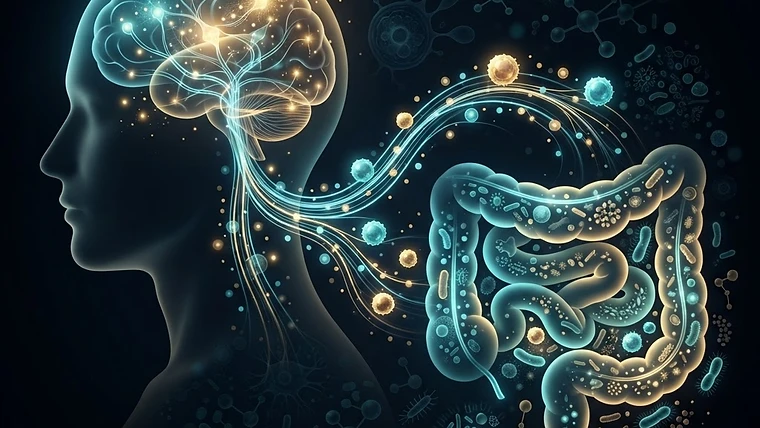
The gut-brain axis is now understood as a bidirectional, multisystem communication network. It is not merely a digestive pathway; it is a complex highway where the intestinal microbiota, the immune system, and the central nervous system (CNS) constantly exchange information. Research suggests that when this delicate balance is disrupted—potentially by the presence of foreign organisms or the resulting immune response—the consequences can ripple throughout the entire body.
Studies indicate that intestinal parasites can alter gut microbiota composition and microbial metabolic outputs, such as short-chain fatty acid profiles. By exerting immunomodulatory effects, these organisms may influence the host's systemic inflammatory state, creating a biologically plausible link between chronic infection and cognitive or mood changes.
Immune Dysregulation and Neuroinflammation
One of the most compelling areas of current research involves how pathogens subvert the host's immune system. Pathogens, including various parasites, have evolved sophisticated mechanisms to evade immune surveillance. By recruiting regulatory T cells (Tregs) and utilizing immunomodulatory cytokines, these organisms can suppress the host's standard anti-parasitic response.
This chronic state of immune activation does not stay confined to the gut. It can lead to low-grade systemic inflammation, which is increasingly recognized as a contributor to neuroinflammation. When the immune system remains in a state of 'high alert,' it can alter neurotransmitter pathways—specifically those involving tryptophan metabolism and glutamatergic signaling. This shift in neurochemistry is a key area of interest for researchers studying the biological underpinnings of anxiety, depression, and cognitive fog.
Metabolic Health and the Inflammatory Response
Beyond mental health, the connection between immune dysregulation and metabolic health is profound. Metabolic syndrome, often characterized by insulin resistance and chronic inflammation, is frequently observed alongside immune-mediated conditions.
Research suggests that the persistent activation of the immune system, triggered by chronic stressors or infections, can disrupt the hypothalamic-pituitary-adrenal (HPA) axis. This disruption affects how the body manages energy, blood sugar, and stress responses. As the body struggles to maintain homeostasis under the weight of chronic inflammation, metabolic efficiency often declines, potentially exacerbating conditions like diabetes and obesity.
The Complexity of Diagnosis
It is important to note that the symptoms of these interactions are often nonspecific. As noted in clinical literature, early signs of CNS involvement or systemic immune stress—such as headaches, dizziness, or sensory disturbances—are frequently overlooked or attributed to other causes. Because the gut-brain axis is so deeply integrated with our endocrine and nervous systems, the 'signal' of an underlying issue can be masked by the 'noise' of secondary symptoms like fatigue or mood fluctuations.
A Deeper Look at the Connection
As we continue to map the complex interactions between our internal environment and our overall well-being, it becomes clear that the 'parasite-immune-neurotransmitter' triad is a critical framework for future study. Understanding these pathways requires a holistic view of how our biology responds to external pressures. For those interested in exploring these concepts further, the book The Parasite-Disease Connection by James Young, RN, provides a comprehensive look at the historical and scientific context of these relationships, serving as a valuable resource for those seeking to understand the deeper mechanisms of human health.
Conclusion
The science of the gut-brain axis is still in its relative infancy, yet it offers a promising lens through which to view the complexities of modern health. By focusing on the interplay between inflammation, immune regulation, and our internal microbial landscape, researchers are uncovering new ways to think about the roots of chronic conditions. While we are far from having all the answers, the ongoing exploration of these biological dialogues is essential for a more nuanced understanding of human health.
Frequently asked questions
How do parasites influence the gut-brain axis?
Research suggests that parasites can alter gut microbiota and trigger immune responses that release inflammatory cytokines. These signals can travel via the vagus nerve or the bloodstream to the brain, potentially affecting neurotransmitter production and mood regulation.
Can chronic inflammation lead to mental health issues?
Yes, emerging science indicates that chronic, low-grade systemic inflammation can cross the blood-brain barrier, leading to neuroinflammation, which is increasingly linked to symptoms of anxiety, depression, and cognitive impairment.
Is there a link between parasites and metabolic health?
Some studies suggest that chronic immune activation caused by persistent infections can disrupt metabolic pathways, potentially contributing to insulin resistance and metabolic syndrome by altering how the body manages energy and stress hormones.
Why are symptoms of these conditions often hard to diagnose?
Symptoms like fatigue, brain fog, and mood changes are nonspecific and can be caused by many factors. Because the gut-brain axis involves multiple systems, the root cause is often masked by secondary symptoms, making clinical identification challenging.