Parasites, Inflammation, and the Gut-Brain Axis: A New Frontier
Explore the emerging science of the infection-immunity-brain axis and how parasitic organisms may influence metabolic health, mood, and systemic inflammation.
Evidence context
This article is an educational research review. Associations do not prove causation, and medical decisions should be made with qualified healthcare professionals using the underlying cited evidence.
Topic overview
Cancer and parasites research overviewParasites, Inflammation, and the Gut-Brain Axis: A New Frontier
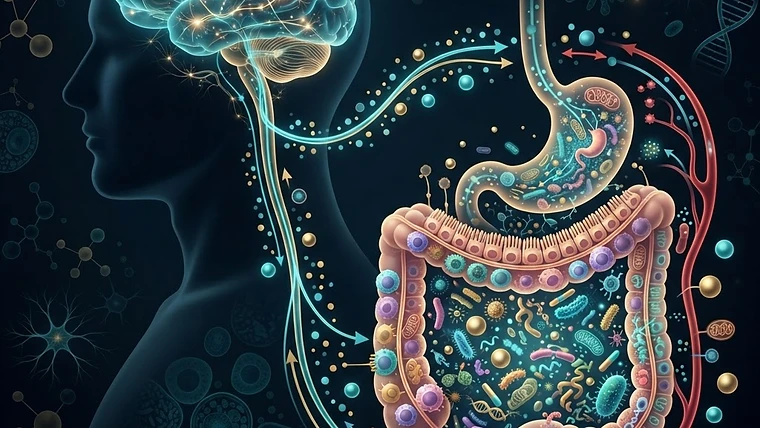
In recent years, the scientific community has shifted its focus toward a more integrated view of human health. We are moving away from viewing the body as a collection of isolated systems and toward understanding it as a complex, interconnected network. At the center of this shift is the gut-brain axis—a bidirectional communication highway that links our intestinal health to our cognitive and emotional states. Emerging research suggests that parasitic organisms, ranging from protozoa to helminths, may play a far more significant role in this network than previously understood.
The Infection-Immunity-Brain Axis
The "infection-immunity-brain axis" describes a triad where parasitic infections initiate immune cascades that ripple through the body, eventually altering neurotransmitter metabolism and neural circuitry. When we consider the gut-brain axis, we often think of diet or beneficial bacteria. However, parasites are potent modulators of gut ecology. By altering the composition of the microbiota and the production of microbial metabolites—such as short-chain fatty acids (SCFAs) and tryptophan—parasites can exert profound immunomodulatory effects.
Research indicates that these organisms do not merely exist within the host; they actively reshape the host's immune environment. This interaction can trigger systemic immune activation, which, in turn, influences the central nervous system (CNS). This process is increasingly viewed as a potential factor in the development of neuroinflammation, which has been linked to various mood and cognitive changes.
Inflammation: The Common Denominator
Chronic, low-grade inflammation is a hallmark of many modern health challenges, including metabolic syndrome, diabetes, and various autoimmune conditions. In the context of metabolic syndrome, the body often experiences a shift from an anti-inflammatory state to one dominated by inflammatory macrophages and T cells within adipose tissue.
Interestingly, some studies suggest an inverse correlation between certain parasitic infections and the incidence of metabolic disorders. Helminths, for instance, are known to induce a Type 2 immune response—a potent anti-inflammatory phenotype. This response is designed to help the host repair tissue damage and manage the presence of the parasite. Some researchers are now exploring whether these mechanisms, or the excretory-secretory products (ESPs) produced by parasites, could offer insights into regulating obesity-driven inflammation and improving glucose homeostasis.
The Gut-Brain Axis and Mental Health
The comorbidity of gastrointestinal issues and mental health conditions like anxiety and depression is well-documented. The gut-brain axis serves as the framework for understanding this link. When the intestinal barrier is compromised or when chronic inflammation is present, the resulting immune signals can travel to the brain, potentially affecting microglia—the brain's resident immune cells.
This neuro-immune feedback loop can amplify both intestinal and central inflammatory pathology. For example, shifts in gut microbiota composition can alter the availability of serotonin, a key neurotransmitter for mood regulation. When the gut-brain axis is disrupted, the resulting neuroinflammation may contribute to the "brain fog" or mood disturbances often reported by individuals dealing with chronic health challenges.
Emerging Science and Future Directions
While the idea of parasites as modulators of human health is provocative, it is essential to approach this field with scientific rigor. We are currently in the early stages of understanding how these organisms interact with our complex biological systems. The goal of current research is not to suggest that infection is beneficial, but rather to understand the mechanisms by which these organisms manipulate host immunity and metabolism. By studying these pathways, scientists hope to uncover new therapeutic targets for inflammatory and metabolic diseases.
As we continue to map the intricacies of the gut-brain axis, it becomes clear that our internal ecosystem is far more dynamic than we once imagined. For those interested in a deeper exploration of these complex biological relationships, the book The Parasite-Disease Connection by James Young, RN, provides a comprehensive look at how these hidden factors may influence systemic health and disease patterns.
Understanding the interplay between parasites, inflammation, and the immune system is a burgeoning field that promises to reshape our approach to chronic health. By continuing to investigate these connections, we move closer to a more holistic understanding of what it means to be healthy in an increasingly complex world.
Frequently Asked Questions
How do parasites influence the gut-brain axis?
Parasites can alter the gut microbiota composition and metabolic outputs, such as short-chain fatty acids. These changes trigger immune signals that communicate with the brain via neural, endocrine, and immune pathways, potentially influencing mood and cognitive function.
Is there a link between inflammation and mental health?
Yes, research suggests that chronic, low-grade inflammation can lead to neuroinflammation. This process is thought to be a contributing factor in the development of conditions like anxiety and depression, often mediated through the gut-brain axis.
Can parasites affect metabolic health?
Some studies indicate that certain parasites and their excretory-secretory products can modulate the host's immune response, potentially influencing glucose metabolism and inflammation associated with metabolic syndrome.
What is the role of the immune system in this connection?
The immune system acts as the primary mediator between parasitic presence and systemic health. By mounting specific immune responses (like the Type 2 response), the body attempts to manage the infection, which can have secondary effects on metabolism and brain function.
Frequently asked questions
How do parasites influence the gut-brain axis?
Parasites can alter the gut microbiota composition and metabolic outputs, such as short-chain fatty acids. These changes trigger immune signals that communicate with the brain via neural, endocrine, and immune pathways, potentially influencing mood and cognitive function.
Is there a link between inflammation and mental health?
Yes, research suggests that chronic, low-grade inflammation can lead to neuroinflammation. This process is thought to be a contributing factor in the development of conditions like anxiety and depression, often mediated through the gut-brain axis.
Can parasites affect metabolic health?
Some studies indicate that certain parasites and their excretory-secretory products can modulate the host's immune response, potentially influencing glucose metabolism and inflammation associated with metabolic syndrome.
What is the role of the immune system in this connection?
The immune system acts as the primary mediator between parasitic presence and systemic health. By mounting specific immune responses (like the Type 2 response), the body attempts to manage the infection, which can have secondary effects on metabolism and brain function.