Parasites, Inflammation, and the Gut-Brain Axis Connection
Explore the emerging science linking parasitic activity, chronic inflammation, and the gut-brain axis to metabolic and mental health conditions.
Evidence context
This article is an educational research review. Associations do not prove causation, and medical decisions should be made with qualified healthcare professionals using the underlying cited evidence.
Topic overview
Cancer and parasites research overviewThe Hidden Links: Parasites, Inflammation, and the Gut-Brain Axis
In recent years, the scientific community has shifted its focus toward the complex, bidirectional communication network known as the gut-brain axis. While much of this research centers on the microbiome, an emerging area of interest explores how external biological factors—including parasitic organisms—may influence systemic inflammation, metabolic stability, and mental health. Understanding these connections requires looking at how the immune system responds to persistent stressors.
The Gut-Brain Axis and Immune Dysregulation
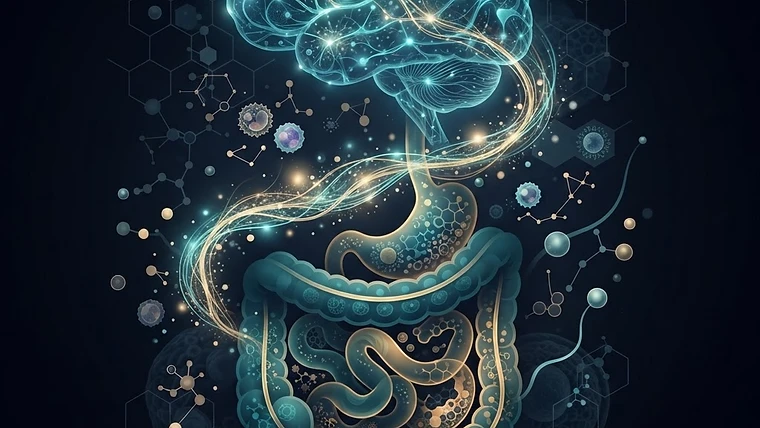
The gut-brain axis is a sophisticated communication highway linking the enteric nervous system with the central nervous system. Research suggests that this axis is not merely a conduit for digestion but a critical regulator of mood, cognition, and immune function. When the gut environment is disrupted, it can trigger a cascade of events leading to low-grade systemic inflammation.
Emerging science indicates that immune dysregulation is a hallmark of many chronic conditions. In the context of depression and anxiety, studies have observed that proinflammatory cytokines—such as IL-6 and TNF-α—often circulate at higher levels, while anti-inflammatory markers may be suppressed. This shift toward a pro-inflammatory state is increasingly recognized as a potential contributor to neuroinflammation, which may impact neurotransmitter balance and neuroplasticity.
Parasites and the Immune Response
Parasitic organisms have evolved complex strategies to survive within a host. Research into helminths and other parasites shows that these organisms often modulate the host's immune system to ensure their own persistence. One primary mechanism involves the recruitment of regulatory T cells (Tregs), which can dampen the host's immune response by releasing cytokines like IL-10 and TGF-β.
While these mechanisms are essential for the parasite's survival, they also alter the host's immune landscape. Some researchers hypothesize that this chronic immune modulation may contribute to a state of immune exhaustion or dysregulation. When the immune system is constantly engaged in managing these interactions, it may become less efficient at maintaining metabolic homeostasis, potentially influencing conditions like insulin resistance or metabolic syndrome.
Metabolic Health and the Inflammatory Cascade
There is a growing body of evidence linking metabolic diseases, such as type 2 diabetes and obesity, to chronic, low-grade inflammation. The gut-brain axis plays a pivotal role here as well. Intestinal barrier disruption—often referred to as "leaky gut"—can allow microbial or parasitic byproducts to enter systemic circulation, further fueling the inflammatory fire.
This systemic inflammation does not stay confined to the gut. It can cross the blood-brain barrier, contributing to neuroinflammation. This process is thought to be a common thread connecting metabolic dysfunction with mental health challenges like cognitive fog, mood disorders, and anxiety. The overlap between microbial alterations in metabolic syndrome and those seen in depressive disorders suggests that these conditions may share common inflammatory roots.
Navigating the Complexity
It is important to note that the relationship between parasites, inflammation, and health is highly individual. The presence of a parasite does not automatically lead to a specific disease, nor is every case of anxiety or diabetes linked to parasitic activity. Rather, these factors represent pieces of a much larger, intricate puzzle involving genetics, environment, and lifestyle.
For those interested in exploring these connections further, James Young, RN, provides a deeper look into these mechanisms in his book, The Parasite-Disease Connection. His work offers a comprehensive perspective on how these biological interactions may influence long-term health outcomes.
Conclusion
The intersection of parasitology, immunology, and metabolic health is a frontier of modern science. By viewing the body as an integrated system where the gut, brain, and immune system are in constant dialogue, we gain a clearer understanding of why chronic inflammation is such a pervasive issue in modern health. As research continues to evolve, we may find that addressing the root causes of immune dysregulation is key to supporting both metabolic and mental well-being.
Frequently Asked Questions
How do parasites influence the gut-brain axis?
Research suggests that parasites can alter the gut microbiome and trigger immune responses that release inflammatory cytokines, which may communicate with the brain via the vagus nerve or systemic circulation.
Can chronic inflammation affect mental health?
Yes, emerging science indicates that chronic, low-grade inflammation can lead to neuroinflammation, which is associated with symptoms of anxiety, depression, and cognitive fog.
Is there a link between metabolic syndrome and the gut?
Studies show that intestinal barrier integrity is crucial for metabolic health. When the gut barrier is compromised, systemic inflammation can occur, which is a known risk factor for insulin resistance and type 2 diabetes.
What is the role of the immune system in these conditions?
In many chronic conditions, the immune system becomes dysregulated, shifting toward a pro-inflammatory state that can persist over time, potentially impacting both physical and mental health.
Frequently asked questions
How do parasites influence the gut-brain axis?
Research suggests that parasites can alter the gut microbiome and trigger immune responses that release inflammatory cytokines, which may communicate with the brain via the vagus nerve or systemic circulation.
Can chronic inflammation affect mental health?
Yes, emerging science indicates that chronic, low-grade inflammation can lead to neuroinflammation, which is associated with symptoms of anxiety, depression, and cognitive fog.
Is there a link between metabolic syndrome and the gut?
Studies show that intestinal barrier integrity is crucial for metabolic health. When the gut barrier is compromised, systemic inflammation can occur, which is a known risk factor for insulin resistance and type 2 diabetes.
What is the role of the immune system in these conditions?
In many chronic conditions, the immune system becomes dysregulated, shifting toward a pro-inflammatory state that can persist over time, potentially impacting both physical and mental health.