Parasites, Inflammation, and the Gut-Brain Axis
Explore the emerging scientific research connecting parasitic interactions, chronic inflammation, and the gut-brain axis to metabolic and mental health conditions.
Evidence context
This article is an educational research review. Associations do not prove causation, and medical decisions should be made with qualified healthcare professionals using the underlying cited evidence.
Topic overview
Cancer and parasites research overviewThe Hidden Connection: Parasites, Inflammation, and the Gut-Brain Axis
In the landscape of modern medicine, we often view the body as a collection of isolated systems. However, emerging research is increasingly highlighting a more interconnected reality. Scientists are now exploring how chronic, low-grade exposures—including those involving parasitic organisms—may influence the complex interplay between our immune system, metabolic health, and even our mental well-being.
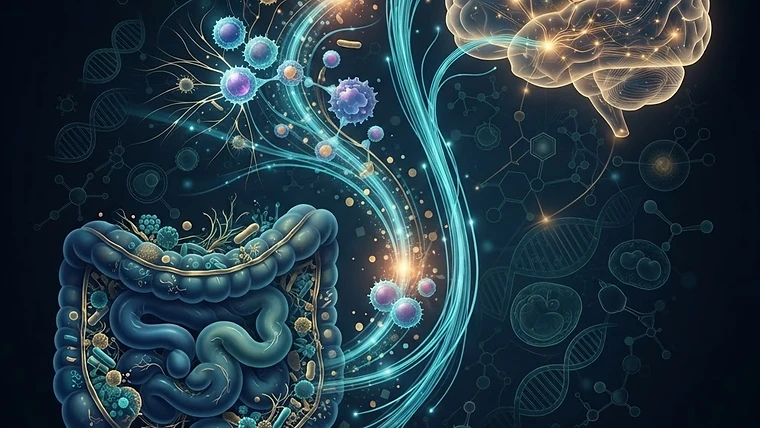
At the heart of this exploration is the gut-brain axis, a bidirectional communication network that links the gastrointestinal tract to the central nervous system. When this axis is disrupted by factors like gut dysbiosis or systemic inflammation, the downstream effects can be profound, potentially influencing everything from insulin sensitivity to mood regulation.
The Immune System and Chronic Inflammation
Chronic inflammation is a hallmark of many modern health challenges, including metabolic syndrome and autoimmune conditions. Research suggests that the immune system’s response to persistent, low-level stressors can lead to a state of "immune dysregulation."
When the body is in a state of chronic inflammation, it produces pro-inflammatory cytokines—signaling proteins that can travel throughout the body. These signals do not stay confined to the gut; they can cross the blood-brain barrier, leading to what researchers call neuroinflammation. This process is increasingly being studied for its potential role in cognitive fog, anxiety, and depressive-like states.
Parasites and Metabolic Health: A Complex Relationship
One of the most intriguing areas of current research involves the relationship between helminths (parasitic worms) and metabolic health. While it may seem counterintuitive, some studies indicate that certain helminth infections may actually modulate the host's immune response in ways that improve insulin sensitivity and reduce systemic inflammation.
For instance, clinical trials have explored how controlled exposure to specific helminths might influence metabolic markers in individuals at risk for type 2 diabetes. Research suggests that these organisms may secrete molecules that interact with host macrophages, potentially helping to dampen the chronic inflammation associated with obesity and insulin resistance. However, this is a delicate balance; the impact of any parasitic interaction depends heavily on the species, the host's health status, and the duration of the exposure.
The Gut-Brain Axis and Mental Health
Beyond metabolism, the gut-brain axis serves as a primary conduit for how gut health influences mental health. Parasitic infections, even those that are not overtly symptomatic, can alter the composition of the gut microbiota. This shift in the microbial landscape can influence the production of neurotransmitters and the integrity of the intestinal barrier.
When the gut barrier is compromised—a condition sometimes referred to as "leaky gut"—it can allow inflammatory triggers to enter the bloodstream. This systemic immune activation is a key area of interest for researchers studying the link between gut health and mood disorders. Emerging science suggests that by modulating the gut environment, we may be able to influence the inflammatory signals that reach the brain, potentially offering new insights into the mechanisms behind anxiety and cognitive function.
Navigating the Research Landscape
It is important to approach this field with both curiosity and caution. The science is still evolving, and the interactions between parasites, the immune system, and our health are highly individual. While some studies show promising correlations, they do not suggest that parasitic infection is a universal solution or a simple cause-and-effect relationship for complex diseases.
For those interested in a deeper dive into how these biological systems interact, the book The Parasite-Disease Connection by James Young, RN, provides a comprehensive look at the historical and scientific context of these relationships, serving as a valuable resource for those looking to understand the broader implications of the parasite-disease landscape.
Conclusion
As we continue to map the connections between our internal ecosystem and our overall health, it becomes clear that the gut-brain axis is a vital frontier. By understanding how inflammation, immune regulation, and environmental exposures like parasites intersect, we gain a more holistic view of human health. While we are far from having all the answers, the ongoing research into these mechanisms offers a fascinating glimpse into the complexity of the human body.
Frequently Asked Questions
Can parasites affect my mental health?
Research suggests that chronic immune activation and neuroinflammation, which can be triggered by various gut-related factors including parasitic presence, may influence mood and cognitive function through the gut-brain axis.
Is there a link between parasites and diabetes?
Some studies indicate that certain helminth infections may modulate the immune system in ways that improve insulin sensitivity, though this is a complex area of research and not a clinical recommendation for treatment.
What is the gut-brain axis?
The gut-brain axis is a bidirectional communication network that connects the enteric nervous system in the gut with the central nervous system, allowing the gut microbiome and immune system to influence brain health.
How does chronic inflammation impact metabolic health?
Chronic, low-grade inflammation is a known driver of insulin resistance and metabolic syndrome, often originating from adipose tissue and exacerbated by gut dysbiosis.
Frequently asked questions
Can parasites affect my mental health?
Research suggests that chronic immune activation and neuroinflammation, which can be triggered by various gut-related factors including parasitic presence, may influence mood and cognitive function through the gut-brain axis.
Is there a link between parasites and diabetes?
Some studies indicate that certain helminth infections may modulate the immune system in ways that improve insulin sensitivity, though this is a complex area of research and not a clinical recommendation for treatment.
What is the gut-brain axis?
The gut-brain axis is a bidirectional communication network that connects the enteric nervous system in the gut with the central nervous system, allowing the gut microbiome and immune system to influence brain health.
How does chronic inflammation impact metabolic health?
Chronic, low-grade inflammation is a known driver of insulin resistance and metabolic syndrome, often originating from adipose tissue and exacerbated by gut dysbiosis.