The Hidden Link: Parasites, Inflammation, and the Gut-Brain Axis
Explore the emerging science connecting parasitic activity, chronic inflammation, and the gut-brain axis to metabolic and mental health conditions.
Evidence context
This article is an educational research review. Associations do not prove causation, and medical decisions should be made with qualified healthcare professionals using the underlying cited evidence.
Topic overview
Cancer and parasites research overviewThe Hidden Link: Parasites, Inflammation, and the Gut-Brain Axis
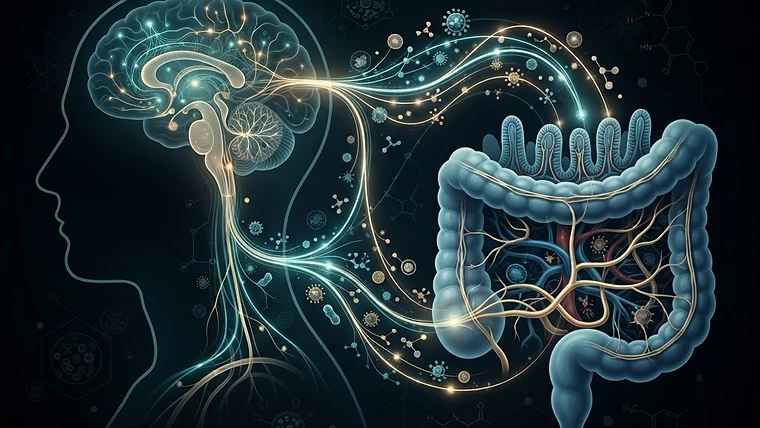
In recent years, the scientific community has shifted its focus toward a more integrated view of human health. We are moving away from viewing the body as a collection of isolated systems and toward understanding it as a complex, interconnected network. At the center of this conversation is the gut-brain axis—a bidirectional communication highway linking our gastrointestinal tract to our central nervous system. Emerging research suggests that this axis is not only influenced by diet and bacteria but may also be modulated by the presence of parasitic organisms, potentially impacting everything from metabolic health to mood disorders.
The Microbiota-Gut-Brain Axis: A New Frontier
The gut-brain axis is a multisystem network where the intestinal microbiota interact with the brain via immune, neuroendocrine, and metabolic pathways [3, 6]. When this system is balanced, it supports homeostasis. However, when the gut environment is disrupted—a state often referred to as dysbiosis—the consequences can ripple throughout the body.
While much of the current research focuses on bacteria, there is growing interest in how protozoa and helminths (parasitic worms) act as significant modulators of gut ecology [3]. These organisms do not merely exist in the gut; they actively interact with the host’s immune system, potentially altering the production of neurotransmitters and short-chain fatty acids that are vital for brain health [3, 7].
Parasites and the Immune Response
One of the most fascinating aspects of parasitic infection is how these organisms interact with the host's immune system. Research indicates that some parasites have evolved sophisticated mechanisms to evade immune surveillance, often by recruiting regulatory T cells (Tregs) and modulating cytokine production [1].
This immune modulation can lead to a state of chronic, low-grade systemic inflammation [9]. In the context of the gut-brain axis, this inflammation is significant. When the immune system is chronically activated, it can increase intestinal permeability—often called "leaky gut"—allowing inflammatory markers to circulate more freely [10]. This systemic inflammation can cross the blood-brain barrier, potentially contributing to neuroinflammation, which has been linked in various studies to conditions like anxiety, depression, and cognitive fog [3, 6, 9].
Metabolic Health and the Infection-Immunity-Brain Triad
There is a notable overlap between metabolic diseases, such as type 2 diabetes and metabolic syndrome, and mental health conditions like depression [2]. Emerging science explores the "infection-immunity-brain" triad, suggesting that parasitic infections may contribute to this comorbidity through coordinated peripheral and central immune signaling [3].
For instance, an inflammatory phenotype can alter neurotransmitter metabolism by reducing the availability of precursors like tryptophan, which is necessary for serotonin production [10]. Furthermore, chronic immune activation can dysregulate the hypothalamic-pituitary-adrenal (HPA) axis, our body’s primary stress-response system [2, 10]. When the HPA axis is constantly triggered by low-grade inflammation, it can lead to metabolic dysregulation, including insulin resistance, and exacerbate symptoms of mood disorders [2, 10].
Convergent Mechanisms: Parasites and Chronic Conditions
Why do these connections matter? Because they suggest that the root causes of some chronic health challenges may be more complex than previously thought. The parallels between how parasites evade the immune system and how other chronic conditions, such as cancer, sustain their growth are a subject of intense study [1]. Both appear to exploit similar immunoregulatory pathways to persist within the host [1].
By understanding these convergent mechanisms, researchers are beginning to map how parasitic organisms might influence host gene regulation, including epigenetic modifications that affect how our cells respond to stress and inflammation [6]. This is not to suggest that parasites are the sole cause of these conditions, but rather that they represent an underappreciated variable in the complex equation of human health.
A Holistic Perspective
As we continue to explore the intersection of parasites, inflammation, and the gut-brain axis, it becomes clear that our health is deeply tied to the microscopic world within us. For those interested in a deeper exploration of these biological interactions, the book The Parasite-Disease Connection by James Young, RN, provides a comprehensive look at how these hidden factors may influence long-term wellness.
While the science is still evolving, the message is one of empowerment through knowledge. By recognizing the potential impact of the gut-brain axis and the role of chronic inflammation, we can better understand the factors that contribute to our overall well-being. Always consult with healthcare professionals regarding your specific health concerns, as this information is intended for educational exploration of emerging scientific hypotheses.
Frequently Asked Questions
Can parasites really affect my mood?
Research suggests that parasitic infections can trigger systemic inflammation, which may influence the gut-brain axis and potentially impact neurotransmitter production and brain function, which are linked to mood disorders like anxiety and depression [3, 9].
What is the link between the gut and metabolic health?
The gut-brain axis plays a key role in metabolic regulation. Dysbiosis and chronic inflammation in the gut can disrupt the HPA axis and neurotransmitter metabolism, which are often associated with metabolic syndrome and insulin resistance [2, 10].
How does inflammation reach the brain?
Chronic inflammation can increase intestinal permeability, allowing inflammatory cytokines to enter the bloodstream. These signals can then cross the blood-brain barrier or activate the vagus nerve, leading to neuroinflammation [3, 9, 10].
Is this a new area of research?
While the study of the gut-brain axis is well-established, the specific role of parasites as modulators of this axis is an emerging and increasingly recognized field of study in immunology and neuroscience [3, 6].
Frequently asked questions
Can parasites really affect my mood?
Research suggests that parasitic infections can trigger systemic inflammation, which may influence the gut-brain axis and potentially impact neurotransmitter production and brain function, which are linked to mood disorders like anxiety and depression.
What is the link between the gut and metabolic health?
The gut-brain axis plays a key role in metabolic regulation. Dysbiosis and chronic inflammation in the gut can disrupt the HPA axis and neurotransmitter metabolism, which are often associated with metabolic syndrome and insulin resistance.
How does inflammation reach the brain?
Chronic inflammation can increase intestinal permeability, allowing inflammatory cytokines to enter the bloodstream. These signals can then cross the blood-brain barrier or activate the vagus nerve, leading to neuroinflammation.
Is this a new area of research?
While the study of the gut-brain axis is well-established, the specific role of parasites as modulators of this axis is an emerging and increasingly recognized field of study in immunology and neuroscience.