Parasites, Inflammation, and the Hidden Gut-Brain Connection
Explore the emerging science linking parasitic organisms to chronic inflammation, metabolic health, and the gut-brain axis. Discover how these interactions may influence systemic well-being.
Evidence context
This article is an educational research review. Associations do not prove causation, and medical decisions should be made with qualified healthcare professionals using the underlying cited evidence.
Topic overview
Cancer and parasites research overviewThe Invisible Influence: Parasites and the Body's Internal Ecosystem
For decades, the conversation surrounding human health has focused heavily on diet, genetics, and lifestyle. However, a growing body of research is turning its attention to a long-overlooked factor in the human ecosystem: the role of parasitic organisms. While often associated with tropical travel, emerging science suggests that protozoa and helminths may play a more significant role in modulating host immunity, gut ecology, and brain function than previously understood.
As we explore the intersection of parasites, inflammation, and the immune system, we are beginning to see how these organisms might influence complex conditions ranging from metabolic syndrome to cognitive fog. This is not a story of simple infection, but rather a complex dialogue between host and organism that can shift the landscape of systemic health.
The Gut-Brain Axis: A Bidirectional Highway
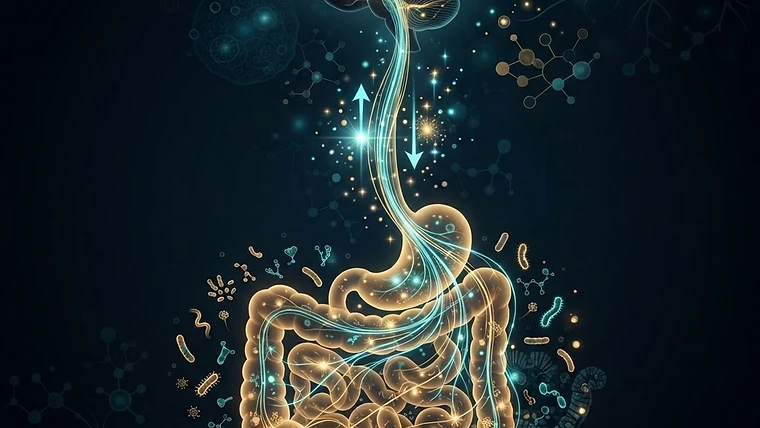
The gut-brain axis is now recognized as a sophisticated, bidirectional communication network. It links the intestinal microbiota to the central nervous system (CNS) through immune, neuroendocrine, and neural pathways, particularly the vagus nerve. When this axis is disrupted, the consequences can be far-reaching.
Research indicates that parasites can act as potent modulators of this axis. By altering the composition of the gut microbiota and shifting microbial metabolic outputs—such as short-chain fatty acid profiles—parasites may indirectly influence brain function. This disruption often leads to a state of chronic, low-grade inflammation, which is increasingly being studied as a potential driver of neuroinflammation.
Chronic Inflammation and the Immune Response
When the peripheral immune system is activated by an infection, it produces pro-inflammatory cytokines. Under normal circumstances, this is a protective, acute-phase response. However, when this activation continues unabated, it can lead to systemic immune dysregulation.
Emerging studies suggest that this peripheral inflammation can signal the brain, potentially contributing to what researchers call 'sickness behavior.' This state is characterized by fatigue, social withdrawal, and changes in mood. In vulnerable individuals, this persistent immune signaling is being investigated for its potential role in the development of symptoms associated with anxiety and depression. The link between systemic inflammation and neuroinflammation is becoming a critical area of focus for understanding how peripheral infections might manifest as cognitive or mood-related challenges.
Metabolic Health and the Immune System
Beyond the brain, the impact of parasitic organisms extends to metabolic health. Conditions like diabetes and metabolic syndrome are deeply tied to chronic inflammation. Interestingly, the relationship is nuanced; while some research explores how certain parasites might influence insulin resistance, the broader takeaway is that any organism capable of altering the gut environment can potentially shift metabolic homeostasis.
Because the gut microbiota plays a central role in regulating glucose metabolism and systemic inflammation, any parasitic-induced dysbiosis can create a ripple effect. This underscores the importance of viewing the body as an integrated system where the gut, the immune system, and metabolic pathways are inextricably linked.
Navigating the Research Landscape
It is important to approach this topic with scientific rigor. The field is currently in an exploratory phase, moving from identifying correlations to understanding the precise mechanisms of action. We are learning that parasites can influence the CNS through direct neurotropism or, more commonly, through indirect pathways involving the gut-brain axis and chronic immune activation.
As we continue to map these interactions, it becomes clear that the 'parasite-disease' connection is a multifaceted puzzle. For those interested in a deeper dive into how these biological interactions may influence long-term health, the book The Parasite-Disease Connection by James Young, RN, offers a comprehensive look at these complex relationships, providing a resource for those seeking to understand the broader implications of these hidden biological factors.
Conclusion
The study of parasites and their role in human health is evolving rapidly. By shifting our perspective from viewing these organisms solely as pathogens to understanding them as active modulators of our internal environment, we open new doors for scientific inquiry. While we are still in the early stages of fully mapping these pathways, the evidence suggests that the gut-brain axis and the immune system are central to how we experience health and disease. Continued research will undoubtedly shed more light on these intricate connections, helping us better understand the foundations of systemic well-being.
Frequently Asked Questions
How do parasites influence the gut-brain axis?
Research suggests that parasites can disrupt the gut microbiota and alter microbial metabolic outputs, which in turn sends signals to the brain via immune and neural pathways, potentially leading to neuroinflammation.
Can parasitic infections lead to chronic inflammation?
Yes, persistent immune activation in response to an infection can lead to systemic, low-grade inflammation, which is a known factor in various metabolic and neurological conditions.
Is there a link between parasites and mental health?
Emerging science explores how parasite-induced systemic inflammation may influence the brain, potentially contributing to symptoms of anxiety, depression, and cognitive fog through the gut-brain axis.
How does the immune system respond to parasites?
Innate immune cells produce pro-inflammatory cytokines to combat infections. If this response remains active over a long period, it can lead to immune dysregulation and impact overall systemic health.
Frequently asked questions
How do parasites influence the gut-brain axis?
Research suggests that parasites can disrupt the gut microbiota and alter microbial metabolic outputs, which in turn sends signals to the brain via immune and neural pathways, potentially leading to neuroinflammation.
Can parasitic infections lead to chronic inflammation?
Yes, persistent immune activation in response to an infection can lead to systemic, low-grade inflammation, which is a known factor in various metabolic and neurological conditions.
Is there a link between parasites and mental health?
Emerging science explores how parasite-induced systemic inflammation may influence the brain, potentially contributing to symptoms of anxiety, depression, and cognitive fog through the gut-brain axis.
How does the immune system respond to parasites?
Innate immune cells produce pro-inflammatory cytokines to combat infections. If this response remains active over a long period, it can lead to immune dysregulation and impact overall systemic health.