Parasites, Inflammation, and the Hidden Gut-Brain Connection
Explore the emerging science linking parasitic activity to systemic inflammation, metabolic health, and the gut-brain axis. Discover how these hidden factors may influence mood and cognition.
Evidence context
This article is an educational research review. Associations do not prove causation, and medical decisions should be made with qualified healthcare professionals using the underlying cited evidence.
Topic overview
Cancer and parasites research overviewParasites, Inflammation, and the Hidden Gut-Brain Connection
In the landscape of modern health, we often look to diet, genetics, and lifestyle as the primary architects of our well-being. However, emerging research is shedding light on a more elusive factor: the role of parasitic organisms in modulating the human immune system, metabolic health, and even cognitive function. While often overlooked in conventional clinical settings, the interaction between parasites, inflammation, and the gut-brain axis is becoming a focal point for scientists seeking to understand the roots of chronic health challenges.
The Infection-Immunity-Brain Axis
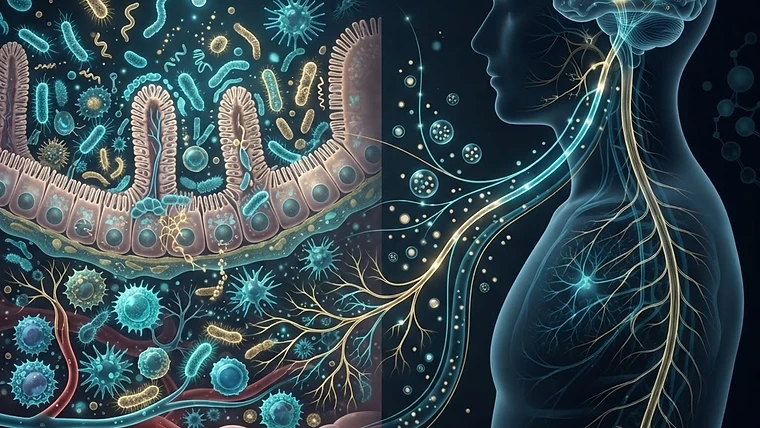
For decades, the gut-brain axis has been recognized as a bidirectional communication network. We now understand that this system is not merely a dialogue between bacteria and the brain; it is a complex, multisystem web. Research suggests that protozoa and helminths—parasitic organisms—act as significant modulators of this ecology.
When these organisms inhabit the host, they do not exist in a vacuum. They initiate an immune cascade that can alter neurotransmitter metabolism and neural circuitry. This "infection-immunity-brain" axis suggests that peripheral parasitic activity may have downstream effects on behavior, mood, and cognitive clarity, often mediated by systemic inflammation.
Chronic Inflammation and Neuroinflammation
One of the most critical links between parasitic presence and health outcomes is the induction of chronic, low-grade inflammation. Parasites are masters of immune evasion, often recruiting regulatory T cells (Tregs) to suppress the host's immune response. While this allows the parasite to persist, it also creates a state of immune dysregulation.
This systemic inflammation can cross the blood-brain barrier, leading to neuroinflammation. Recent studies indicate that parasitic excretory products and extracellular vesicles can destabilize neural homeostasis. When the brain exists in a state of chronic inflammation, it may manifest as cognitive fog, mood instability, or altered stress responses, often mirroring symptoms associated with anxiety and depression.
Metabolic Health: A Complex Interplay
Perhaps one of the most surprising areas of research involves the relationship between parasites and metabolic syndrome. Obesity and type 2 diabetes are characterized by chronic, low-level systemic inflammation originating in adipose tissue.
Interestingly, the scientific literature presents a nuanced picture. Some studies suggest that certain helminth infections may induce regulatory immune responses that could theoretically improve insulin sensitivity and suppress metabolic inflammation. Conversely, other parasites, such as Trypanosoma cruzi, have been shown to exacerbate inflammation and aggravate metabolic disorders. This suggests that the impact of a parasite on metabolic health is highly dependent on the species, the stage of infection, and the host's unique biological environment.
The Gut Microbiota as a Mediator
Parasites do not just interact with the immune system; they fundamentally reshape the gut microbiota. By altering the composition of bacterial colonies and the production of microbial metabolites—such as short-chain fatty acids—parasites exert indirect effects on the host's metabolic and mental health.
Because the gut microbiota is a primary driver of immune signaling, these shifts can influence everything from glucose tolerance to the production of serotonin and other neurotransmitters. This highlights why the gut-brain axis is so central to understanding how parasitic presence might manifest as systemic health issues.
Moving Toward a Deeper Understanding
As we continue to map the complex interactions between the human host and parasitic organisms, it becomes clear that our health is a reflection of a vast, interconnected ecosystem. The science is still evolving, and researchers are only beginning to uncover how these hidden factors contribute to the modern burden of autoimmune conditions, metabolic syndrome, and mood disorders.
For those interested in exploring these concepts further, James Young, RN, provides a comprehensive look at these mechanisms in his book, The Parasite-Disease Connection. By examining the intersection of biology and chronic health, we can better appreciate the complexity of the human body and the many factors that influence our long-term vitality.
Frequently Asked Questions
How do parasites influence the gut-brain axis?
Research suggests that parasites can alter gut microbiota composition and trigger immune cascades that affect neurotransmitter metabolism, ultimately impacting neural circuitry and behavior.
Can parasitic infections lead to neuroinflammation?
Yes, emerging studies indicate that certain parasites can cross the blood-brain barrier or release inflammatory products that trigger neuroinflammation, potentially contributing to cognitive fog and mood disorders.
Is there a link between parasites and diabetes?
Some research explores how parasitic infections modulate systemic inflammation and insulin sensitivity, though the effects vary significantly depending on the parasite species and the host's metabolic state.
Why is chronic inflammation a concern in this context?
Chronic, low-grade inflammation is a common byproduct of immune dysregulation. It is a known driver of metabolic syndrome, autoimmune conditions, and neuroinflammatory processes that affect mental health.
Frequently asked questions
How do parasites influence the gut-brain axis?
Research suggests that parasites can alter gut microbiota composition and trigger immune cascades that affect neurotransmitter metabolism, ultimately impacting neural circuitry and behavior.
Can parasitic infections lead to neuroinflammation?
Yes, emerging studies indicate that certain parasites can cross the blood-brain barrier or release inflammatory products that trigger neuroinflammation, potentially contributing to cognitive fog and mood disorders.
Is there a link between parasites and diabetes?
Some research explores how parasitic infections modulate systemic inflammation and insulin sensitivity, though the effects vary significantly depending on the parasite species and the host's metabolic state.
Why is chronic inflammation a concern in this context?
Chronic, low-grade inflammation is a common byproduct of immune dysregulation. It is a known driver of metabolic syndrome, autoimmune conditions, and neuroinflammatory processes that affect mental health.