Parasites, Inflammation, and the Hidden Gut-Brain Connection
Explore the emerging science linking parasitic interactions, chronic inflammation, and the gut-brain axis to metabolic and mental health conditions.
Evidence context
This article is an educational research review. Associations do not prove causation, and medical decisions should be made with qualified healthcare professionals using the underlying cited evidence.
Topic overview
Cancer and parasites research overviewParasites, Inflammation, and the Hidden Gut-Brain Connection
In the landscape of modern health, we often view our bodies as distinct systems: the metabolic system manages our energy, the immune system guards our borders, and the brain dictates our mood and cognition. However, emerging research suggests these systems are deeply interconnected through a complex, bidirectional network. At the center of this conversation is a fascinating, often under-discussed variable: the role of parasitic organisms and their influence on the host’s internal environment.
The Immune System as a Metabolic Regulator
For decades, the scientific community has viewed parasites primarily as pathogens to be eradicated. Yet, a growing body of literature is challenging this binary view. Research into helminths—parasitic worms—has revealed that these organisms are potent modulators of the host immune system. Specifically, they are known to induce a type-2 immune response, which can influence how our bodies manage inflammation and metabolic homeostasis.
Chronic, low-grade inflammation is a hallmark of metabolic syndrome and type 2 diabetes. In these states, the body’s adipose tissue often becomes infiltrated by inflammatory cells. Interestingly, some studies indicate that certain helminth-derived molecules may help shift this inflammatory profile toward a more reparative, anti-inflammatory state. By promoting the activity of regulatory T cells and M2 macrophages, these interactions suggest a potential mechanism for how the immune system and metabolism are inextricably linked.
The Gut-Brain Axis: A Bidirectional Highway
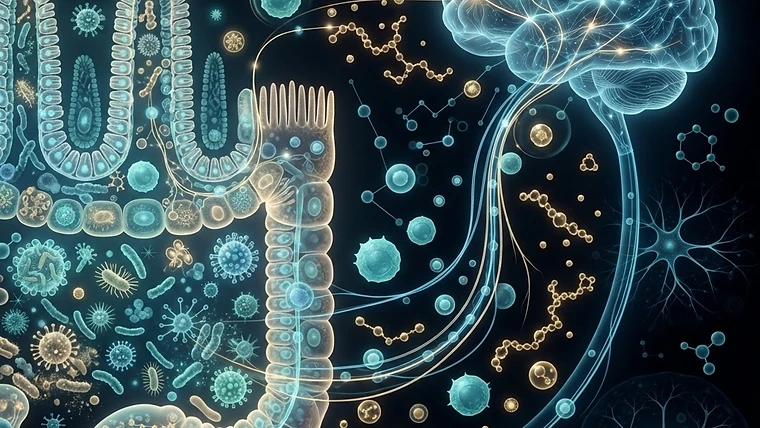
Perhaps the most compelling area of current research is the gut-brain axis. We now understand that the intestinal microbiota acts as a communication hub, sending signals to the brain that influence neurotransmitter production, such as serotonin and dopamine. When this axis is disrupted—a state often referred to as dysbiosis—it can manifest as cognitive fog, anxiety, or mood disorders.
Parasitic organisms, even those residing in the gut, can alter the composition of this microbial community. By changing the metabolic outputs of our gut bacteria, such as short-chain fatty acids, parasites may indirectly influence neural circuitry. This "parasite-induced modulation" of the gut-brain axis provides a framework for understanding how systemic immune activation can lead to neuroinflammation, potentially contributing to the behavioral and mental health challenges observed in various clinical settings.
Inflammation and Mental Health
"Sickness behavior" is a term used to describe the constellation of symptoms—lethargy, social withdrawal, and cognitive changes—that occur during immune activation. When the body is in a state of chronic inflammation, the persistent release of cytokines can alter homeostatic set points, affecting everything from nutrient absorption to brain function.
Research suggests that this inflammatory cascade is not limited to acute infections. Low-grade, chronic immune activation, whether triggered by environmental factors, metabolic stress, or the presence of foreign organisms, may play a role in the development of depression and anxiety. By examining how these pathways converge, scientists are beginning to map the complex relationship between our internal biological environment and our mental well-being.
Navigating the Complexity
It is crucial to emphasize that these interactions are highly context-dependent. While some research explores the potential for parasite-inspired pharmacology to address metabolic inflammation, it is equally clear that active, high-burden parasitosis can exacerbate disease, increase oxidative stress, and lead to significant morbidity. The "parasite paradox" lies in the fact that while specific, controlled interactions might offer insights into immune regulation, the presence of parasites is generally associated with significant health risks.
As we continue to explore these mechanisms, it becomes clear that there is no single cause for the complex metabolic and mental health conditions facing society today. Instead, we are looking at a web of interactions where immune dysregulation, gut health, and systemic inflammation play starring roles.
For those interested in a deeper dive into the historical and biological context of these interactions, James Young, RN, provides a comprehensive exploration in his book, The Parasite-Disease Connection. This resource offers a detailed look at how these hidden factors may influence long-term health outcomes, serving as a valuable starting point for those curious about the intersection of parasitology and chronic disease.
Conclusion
Understanding the relationship between parasites, inflammation, and our metabolic and mental health is an evolving journey. As science advances, we move closer to a more holistic understanding of the human body—not as a collection of isolated parts, but as a dynamic ecosystem. By continuing to investigate these pathways, we may one day unlock new, innovative ways to support metabolic and mental health from the inside out.
Frequently Asked Questions
Can parasites cause metabolic syndrome?
Research indicates that while parasites can modulate immune responses, the relationship is complex. Some studies suggest that certain helminth infections may improve metabolic markers through anti-inflammatory pathways, while others show that parasitic infections can exacerbate metabolic dysfunction depending on the species and the host's health status.
How does the gut-brain axis relate to anxiety and depression?
The gut-brain axis is a communication network where gut health influences brain function. Dysbiosis, or an imbalance in gut microbes, can alter the production of neurotransmitters and trigger systemic inflammation, which emerging research links to symptoms of anxiety, depression, and cognitive fog.
Is chronic inflammation a factor in diabetes?
Yes, chronic, low-grade inflammation is a well-recognized component of type 2 diabetes and metabolic syndrome. It is often associated with insulin resistance and the infiltration of inflammatory cells into metabolic tissues.
What is the role of the immune system in mental health?
The immune system and the brain are closely linked. Chronic immune activation and the resulting release of cytokines can lead to neuroinflammation, which is increasingly studied as a potential contributor to mood disorders and behavioral changes.
Frequently asked questions
Can parasites cause metabolic syndrome?
Research indicates that while parasites can modulate immune responses, the relationship is complex. Some studies suggest that certain helminth infections may improve metabolic markers through anti-inflammatory pathways, while others show that parasitic infections can exacerbate metabolic dysfunction depending on the species and the host's health status.
How does the gut-brain axis relate to anxiety and depression?
The gut-brain axis is a communication network where gut health influences brain function. Dysbiosis, or an imbalance in gut microbes, can alter the production of neurotransmitters and trigger systemic inflammation, which emerging research links to symptoms of anxiety, depression, and cognitive fog.
Is chronic inflammation a factor in diabetes?
Yes, chronic, low-grade inflammation is a well-recognized component of type 2 diabetes and metabolic syndrome. It is often associated with insulin resistance and the infiltration of inflammatory cells into metabolic tissues.
What is the role of the immune system in mental health?
The immune system and the brain are closely linked. Chronic immune activation and the resulting release of cytokines can lead to neuroinflammation, which is increasingly studied as a potential contributor to mood disorders and behavioral changes.