Parasites, Inflammation, and the Hidden Gut-Brain Connection
Explore the emerging science linking parasitic activity, chronic inflammation, and the gut-brain axis to metabolic and mental health conditions.
Evidence context
This article is an educational research review. Associations do not prove causation, and medical decisions should be made with qualified healthcare professionals using the underlying cited evidence.
Topic overview
Cancer and parasites research overviewParasites, Inflammation, and the Hidden Gut-Brain Connection
In the landscape of modern health, we often view our internal systems as distinct silos: the gut handles digestion, the brain manages mood, and the immune system guards against external threats. However, emerging science suggests these systems are deeply interconnected, often communicating through a complex web of chemical signals. One of the most intriguing and under-discussed areas of this research involves the role of parasites and their influence on systemic inflammation, metabolic health, and the gut-brain axis.
The Immune System as a Mediator
The immune system is not merely a defensive force; it is a master regulator of homeostasis. When the body encounters foreign organisms, the immune response—often characterized by the release of cytokines—can trigger systemic inflammation. While acute inflammation is a necessary healing response, chronic, low-grade inflammation is increasingly recognized as a common denominator in various metabolic and mental health conditions.
Research suggests that certain parasites, including both protozoa and helminths, possess sophisticated mechanisms to modulate the host immune system to ensure their own survival. By altering the host's cytokine profile, these organisms may inadvertently shift the body’s metabolic state, potentially influencing how we process glucose or manage stress.
Parasites and Metabolic Health: The Diabetes Link
One of the most compelling areas of study involves the relationship between parasites and metabolic syndrome. Some research indicates that the absence of certain helminth infections in developed nations might be linked to an increase in autoimmune and metabolic disorders. Studies using animal models have explored how helminth-induced regulatory mechanisms might influence insulin resistance, a hallmark of type 2 diabetes.
Insulin resistance is often driven by adipose tissue inflammation. Because parasites can manipulate the immune system toward specific phenotypes, scientists are investigating whether these excretory-secretory products could eventually offer insights into new therapeutic targets for metabolic homeostasis. While this is a burgeoning field, it highlights the complex, bidirectional relationship between our internal microbiome and our metabolic health.
The Gut-Brain Axis and Neuroinflammation
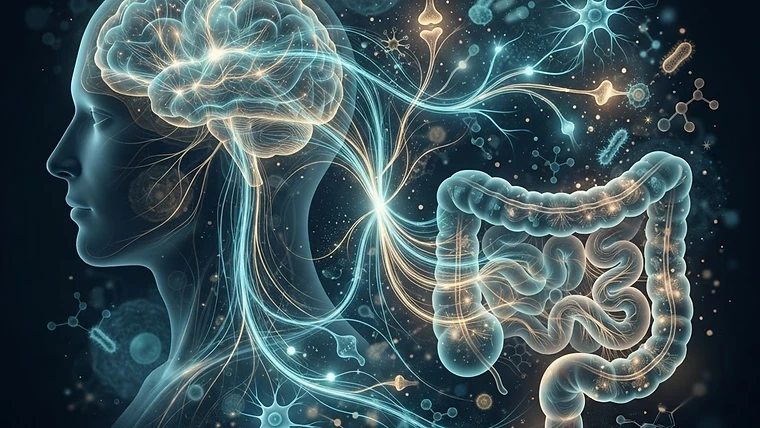
Perhaps the most profound connection lies in the gut-brain axis. The brain, once considered an "immune-privileged" site, is now understood to be highly susceptible to systemic inflammation. When the gut microbiome is perturbed—whether by diet, stress, or the presence of foreign organisms—it can trigger a cascade of neuroinflammation.
Neuroinflammation is increasingly linked to cognitive fog, anxiety, and depressive symptoms. When the blood-brain barrier is compromised by systemic inflammatory signals, the brain’s resident immune cells, known as microglia, can become activated. This activation can disrupt neurotransmitter balance, potentially influencing mood and cognitive function. Parasites that interact with the gut lining or cross the blood-brain barrier are subjects of intense interest, as they may serve as catalysts for these neuroinflammatory pathways.
Understanding the Complexity
It is important to approach this topic with scientific nuance. The presence of a parasite does not automatically equate to a specific disease state, and the relationship is rarely linear. Instead, the scientific community is looking at how these organisms alter the "biological terrain." Factors such as gut dysbiosis, chronic stress, and immune dysregulation create an environment where these interactions can have outsized effects on our mental and physical well-being.
As we continue to map the gut-brain axis, we are learning that our health is a reflection of a vast, interconnected ecosystem. For those interested in exploring these complex biological relationships further, the book The Parasite-Disease Connection by James Young, RN, provides a comprehensive look at how these hidden factors may influence long-term health outcomes.
Conclusion
The intersection of parasitology, immunology, and metabolic health is a frontier that challenges our traditional understanding of disease. By viewing the body as a holistic system, we can better appreciate how subtle shifts in our internal environment—driven by inflammation and immune signaling—can have profound impacts on our daily lives. As research progresses, we move closer to understanding the intricate dance between our bodies and the organisms that inhabit them.
Frequently Asked Questions
Can parasites cause depression or anxiety?
Research suggests that systemic inflammation, which can be triggered by various factors including gut dysbiosis and parasitic activity, is linked to neuroinflammation. This neuroinflammatory state is associated with changes in neurotransmitter signaling, which may influence mood and anxiety levels.
How does the gut-brain axis relate to metabolic health?
The gut-brain axis is a bidirectional communication network. When the gut microbiome is imbalanced, it can lead to systemic inflammation, which is a known driver of insulin resistance and metabolic syndrome.
Is there a link between parasites and diabetes?
Some studies indicate that helminth infections can modulate the immune system in ways that influence insulin sensitivity. Researchers are currently studying these mechanisms to understand how they might relate to the development of metabolic disorders.
What is neuroinflammation?
Neuroinflammation is the inflammation of the nervous tissue. It is often triggered by systemic immune responses and is increasingly recognized as a factor in cognitive fog and various behavioral changes.
Frequently asked questions
Can parasites cause depression or anxiety?
Research suggests that systemic inflammation, which can be triggered by various factors including gut dysbiosis and parasitic activity, is linked to neuroinflammation. This neuroinflammatory state is associated with changes in neurotransmitter signaling, which may influence mood and anxiety levels.
How does the gut-brain axis relate to metabolic health?
The gut-brain axis is a bidirectional communication network. When the gut microbiome is imbalanced, it can lead to systemic inflammation, which is a known driver of insulin resistance and metabolic syndrome.
Is there a link between parasites and diabetes?
Some studies indicate that helminth infections can modulate the immune system in ways that influence insulin sensitivity. Researchers are currently studying these mechanisms to understand how they might relate to the development of metabolic disorders.
What is neuroinflammation?
Neuroinflammation is the inflammation of the nervous tissue. It is often triggered by systemic immune responses and is increasingly recognized as a factor in cognitive fog and various behavioral changes.