Parasites, Inflammation, and the Hidden Gut-Brain Connection
Explore the emerging science linking parasitic activity, chronic inflammation, and the gut-brain axis to metabolic and mental health conditions.
Evidence context
This article is an educational research review. Associations do not prove causation, and medical decisions should be made with qualified healthcare professionals using the underlying cited evidence.
Topic overview
Cancer and parasites research overviewParasites, Inflammation, and the Hidden Gut-Brain Connection
In the landscape of modern health, we often view metabolic and mental health conditions—such as diabetes, anxiety, and cognitive fog—as isolated issues. However, emerging research is beginning to illuminate a more complex, interconnected web. At the center of this discussion is the role of the immune system, chronic inflammation, and the often-overlooked influence of parasitic organisms on our internal biology.
The Immune System and Chronic Inflammation
Chronic inflammation is increasingly recognized as a common denominator in many modern health challenges. When the immune system remains in a state of persistent, low-grade activation, it can disrupt metabolic homeostasis and influence neurological function. Research suggests that this "metabolic inflammation" is not merely a symptom but a potential driver of insulin resistance and mood disorders.
Parasites, ranging from protozoa to helminths, have co-evolved with humans for millennia. Because they interact directly with the host’s immune system, they can act as powerful modulators of inflammatory pathways. While some studies indicate that certain helminths may induce regulatory immune responses that dampen inflammation, others suggest that parasitic presence can exacerbate systemic stress, potentially contributing to the dysregulation of blood glucose and metabolic health.
The Gut-Brain Axis: A Bidirectional Highway
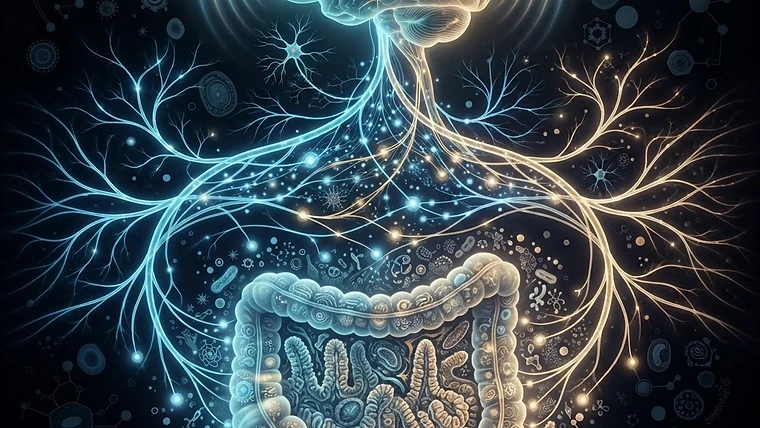
One of the most fascinating areas of current study is the gut-brain axis. This bidirectional communication system links the intestinal environment—including the microbiome and any resident parasites—to the central nervous system.
When the gut barrier is compromised or the microbiome is shifted by infection, the resulting "leaky gut" or dysbiosis can trigger systemic immune responses. These signals can travel to the brain, potentially influencing neuroinflammation. Emerging science explores how this process might manifest as "sickness behavior," which includes symptoms like lethargy, social withdrawal, and cognitive fog—states that mirror many aspects of anxiety and depression.
Parasites and Metabolic Health
Could the presence of parasites influence the development of metabolic syndrome or type 2 diabetes? The evidence is nuanced. Some systematic reviews have noted that populations in certain regions with specific helminth infections show lower markers of metabolic syndrome. The hypothesis is that these organisms may modulate the immune system in a way that improves insulin sensitivity.
Conversely, other research highlights that certain protozoan infections can aggravate metabolic immune responses, potentially worsening insulin resistance. This suggests that the impact of a parasite on metabolic health is highly dependent on the species, the host's environment, and the specific immune response triggered.
Neuroinflammation and Mental Well-being
Beyond metabolism, the link between parasitic infection and mental health is gaining traction. Studies have observed that individuals with certain parasitic infections may experience higher rates of mood and stress-related disorders. The mechanism likely involves the release of inflammatory cytokines that cross the blood-brain barrier, altering the production of key neurotransmitters like serotonin and tryptophan.
This does not mean that every mental health challenge is rooted in infection, but it does suggest that the immune system’s response to chronic, low-level stressors—including parasites—is a critical piece of the puzzle in understanding cognitive and emotional health.
A Deeper Look at the Connection
Understanding these complex interactions requires looking beyond conventional silos. For those interested in exploring the historical and biological context of these relationships, the book The Parasite-Disease Connection by James Young, RN, provides a comprehensive resource for those seeking to understand the deeper, often overlooked links between parasitic activity and systemic health.
As we continue to map the gut-brain axis and the role of the immune system in chronic disease, it becomes clear that our health is a reflection of a vast, internal ecosystem. By maintaining a curious and evidence-based perspective, we can better understand the factors that contribute to our overall well-being.
Frequently Asked Questions
Can parasites cause anxiety and depression?
Research suggests that chronic immune activation and neuroinflammation, which can be triggered by various factors including parasitic infection, may influence mood and behavior through the gut-brain axis.
Is there a link between parasites and diabetes?
Some studies indicate that certain helminth infections may improve insulin sensitivity by modulating inflammation, while other parasitic infections may exacerbate metabolic syndrome. The relationship is complex and species-dependent.
What is the gut-brain axis?
It is a bidirectional communication network that connects the gut microbiome and intestinal environment to the central nervous system, influencing both metabolic and mental health.
How does chronic inflammation affect cognitive health?
Chronic, low-grade inflammation can lead to neuroinflammation, which may contribute to symptoms like cognitive fog, fatigue, and changes in mood regulation.
Frequently asked questions
Can parasites cause anxiety and depression?
Research suggests that chronic immune activation and neuroinflammation, which can be triggered by various factors including parasitic infection, may influence mood and behavior through the gut-brain axis.
Is there a link between parasites and diabetes?
Some studies indicate that certain helminth infections may improve insulin sensitivity by modulating inflammation, while other parasitic infections may exacerbate metabolic syndrome. The relationship is complex and species-dependent.
What is the gut-brain axis?
It is a bidirectional communication network that connects the gut microbiome and intestinal environment to the central nervous system, influencing both metabolic and mental health.
How does chronic inflammation affect cognitive health?
Chronic, low-grade inflammation can lead to neuroinflammation, which may contribute to symptoms like cognitive fog, fatigue, and changes in mood regulation.