Parasites, Inflammation, and the Hidden Gut-Brain Connection
Explore the emerging science linking parasitic presence, chronic inflammation, and the gut-brain axis to metabolic and mental health conditions.
Evidence context
This article is an educational research review. Associations do not prove causation, and medical decisions should be made with qualified healthcare professionals using the underlying cited evidence.
Topic overview
Cancer and parasites research overviewParasites, Inflammation, and the Hidden Gut-Brain Connection
In the landscape of modern medicine, we often view the human body as a fortress, with the immune system acting as the primary defense against external invaders. However, emerging science is beginning to paint a more nuanced picture. Researchers are increasingly exploring the complex, bidirectional relationship between the human host, the microbiome, and the presence of various organisms—including parasites—that may influence our systemic health in ways we are only beginning to understand.
The Intersection of Immunity and Metabolism
For decades, chronic inflammation has been identified as a cornerstone of metabolic syndrome, type 2 diabetes, and various autoimmune conditions. This "low-grade" inflammation often originates in adipose tissue, where immune dysregulation leads to persistent signaling that can impair insulin sensitivity.
Interestingly, some studies suggest that certain parasitic organisms, particularly helminths (parasitic worms), may interact with this inflammatory environment. Research indicates that these organisms can modulate the host's immune response, potentially shifting it toward a regulatory state that may influence metabolic markers. While some parasites are associated with metabolic disruption, others have been observed in clinical studies to correlate with improved glycemic control or a lower prevalence of metabolic syndrome in specific populations. This does not imply a simple cause-and-effect relationship, but rather highlights a complex biological interplay where the presence of these organisms may alter the host's immune landscape.
The Gut-Brain Axis and Mental Health
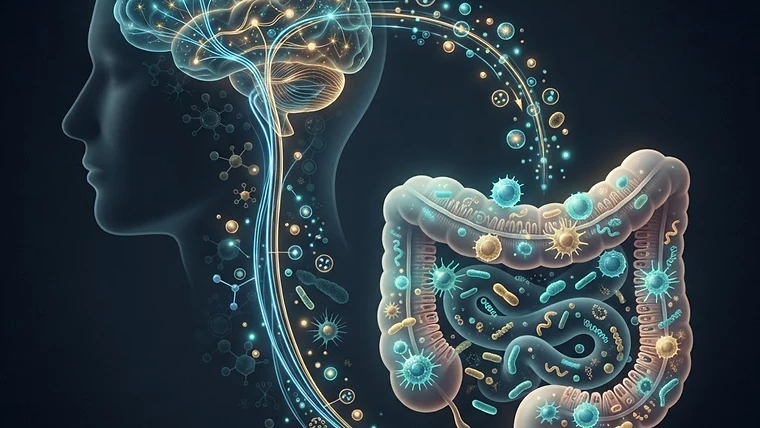
Beyond metabolism, the "gut-brain axis" has become a focal point for understanding mental health conditions like anxiety, depression, and cognitive fog. This bidirectional communication system links the intestinal environment to the central nervous system via neural, endocrine, and immune pathways.
When the gut environment is altered—whether by diet, stress, or the presence of unicellular parasites—it can trigger systemic immune changes. Emerging research suggests that these changes may lead to neuroinflammation, a state where the brain's immune cells become chronically activated. This neuroimmune activation is often linked to "sickness behavior," a suite of symptoms including lethargy, mood shifts, and cognitive impairment. By reshaping the gut microbiome and influencing the production of key neurometabolites like serotonin and short-chain fatty acids, the gut environment may play a significant role in how we experience mental health.
Understanding Immune Dysregulation
At the heart of these conditions is the concept of immune dysregulation. Whether triggered by environmental toxins, dietary factors, or chronic infections, the immune system's inability to return to a state of homeostasis can lead to persistent, damaging inflammation.
Some studies indicate that the presence of intestinal parasites can alter the richness and diversity of the bacterial gut community. In some cases, this shift is associated with a more favorable metabolic profile, while in others, it may contribute to the inflammatory burden. The key takeaway from current research is that the human body is an ecosystem; the presence of any organism, large or small, can shift the balance of our internal environment, influencing everything from blood sugar regulation to cognitive clarity.
A Deeper Look at the Connection
As we continue to explore these mechanisms, it becomes clear that the relationship between our internal biology and the organisms we harbor is far from one-dimensional. For those interested in a comprehensive exploration of how these hidden factors may influence systemic health, the book The Parasite-Disease Connection by James Young, RN, offers a detailed look at the research surrounding these complex interactions. It serves as a valuable resource for those looking to deepen their understanding of how the body maintains—or loses—its balance in the face of chronic, often overlooked, biological stressors.
Conclusion
While the science is still evolving, the link between parasites, inflammation, and metabolic and mental health is a compelling area of study. By viewing these conditions through the lens of the gut-brain axis and immune regulation, we gain a better understanding of the factors that contribute to our overall well-being. As always, these insights are meant to foster curiosity and encourage further exploration into the intricate, interconnected nature of human health.
Frequently Asked Questions
Can parasites affect my blood sugar levels?
Research suggests that there is a complex association between intestinal parasites and metabolic health. Some studies have observed that certain parasitic infections are linked to improved insulin sensitivity, while others are associated with metabolic disruption. The impact likely depends on the specific species of the parasite and the host's unique biological environment.
How does the gut-brain axis influence anxiety and depression?
The gut-brain axis is a communication network between the gut and the brain. When the gut environment is disrupted, it can trigger systemic inflammation and alter the production of neurotransmitters like serotonin. This can manifest as symptoms of anxiety, depression, or cognitive fog.
Is chronic inflammation always caused by infection?
No. Chronic inflammation can be triggered by a variety of factors, including diet, stress, environmental toxins, and metabolic syndrome. However, the presence of various organisms in the gut can also influence the inflammatory state of the body, either by modulating the immune system or by altering the gut microbiome.
Should I be concerned about parasites if I have an autoimmune condition?
Autoimmune conditions are often characterized by immune dysregulation. Because parasites can significantly influence the immune system, researchers are studying how these organisms interact with autoimmune pathways. If you have concerns about your health, it is essential to consult with a medical professional to discuss your specific symptoms and history.
Frequently asked questions
Can parasites affect my blood sugar levels?
Research suggests that there is a complex association between intestinal parasites and metabolic health. Some studies have observed that certain parasitic infections are linked to improved insulin sensitivity, while others are associated with metabolic disruption. The impact likely depends on the specific species of the parasite and the host's unique biological environment.
How does the gut-brain axis influence anxiety and depression?
The gut-brain axis is a communication network between the gut and the brain. When the gut environment is disrupted, it can trigger systemic inflammation and alter the production of neurotransmitters like serotonin. This can manifest as symptoms of anxiety, depression, or cognitive fog.
Is chronic inflammation always caused by infection?
No. Chronic inflammation can be triggered by a variety of factors, including diet, stress, environmental toxins, and metabolic syndrome. However, the presence of various organisms in the gut can also influence the inflammatory state of the body, either by modulating the immune system or by altering the gut microbiome.
Should I be concerned about parasites if I have an autoimmune condition?
Autoimmune conditions are often characterized by immune dysregulation. Because parasites can significantly influence the immune system, researchers are studying how these organisms interact with autoimmune pathways. If you have concerns about your health, it is essential to consult with a medical professional to discuss your specific symptoms and history.