Parasites, Inflammation, and the Hidden Gut-Brain Connection
Explore the emerging science linking parasitic organisms to chronic inflammation, metabolic health, and the gut-brain axis. Discover how these interactions may influence systemic well-being.

Evidence context
This article is an educational research review. Associations do not prove causation, and medical decisions should be made with qualified healthcare professionals using the underlying cited evidence.
Topic overview
Cancer and parasites research overviewThe Invisible Influence: Parasites and the Immune System
For decades, the scientific community focused primarily on bacteria, diet, and lifestyle as the primary drivers of human health. However, a fascinating and under-discussed frontier is emerging: the role of parasitic organisms—including protozoa and helminths—in modulating host immunity, gut ecology, and brain function. While often associated with tropical medicine, emerging research suggests that these organisms may play a more nuanced role in systemic health than previously understood.
At the heart of this exploration is the concept of chronic immune activation. When the body encounters a persistent foreign organism, the immune system does not simply "turn off." Instead, it may enter a state of low-grade, systemic inflammation. This state is increasingly being studied for its potential links to metabolic syndrome, cognitive fog, and mood disorders.
The Gut-Brain Axis: A Bidirectional Highway
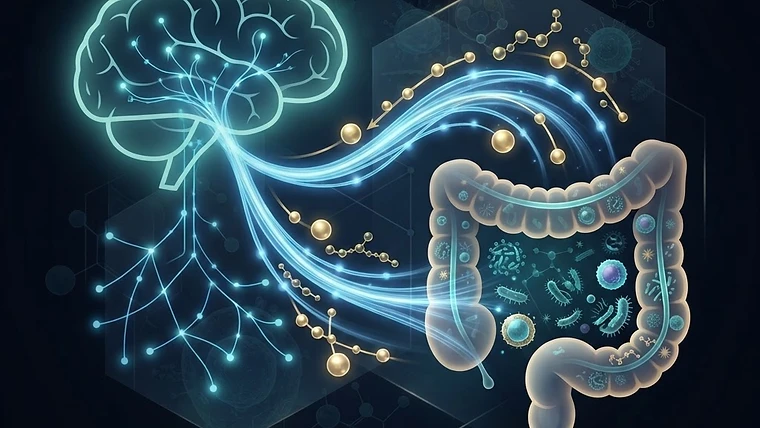
The gut-brain axis is a complex, bidirectional communication network. It links the intestinal microbiota to the central nervous system (CNS) via immune, neuroendocrine, and neural pathways, such as the vagus nerve. Research indicates that parasites can act as significant modulators of this axis.
By altering the composition of the gut microbiota and shifting microbial metabolic outputs—such as short-chain fatty acid profiles—parasites may indirectly influence brain function. Furthermore, some parasites exert direct immunomodulatory effects, potentially triggering a cascade of cytokines that travel from the gut to the brain. This process is a key area of interest for researchers studying how peripheral infections might contribute to neuroinflammation.
From Peripheral Infection to Neuroinflammation
How does a gut-based infection manifest as mental or cognitive symptoms? The answer often lies in the concept of "sickness behavior." When the peripheral immune system is activated, innate immune cells produce pro-inflammatory cytokines. These signaling molecules can cross the blood-brain barrier or stimulate neural pathways that signal the brain to initiate a protective response.
In the short term, this is a survival mechanism. However, when this signaling continues unabated, it can lead to persistent neuroinflammation. Emerging studies suggest that this chronic state may be linked to symptoms of anxiety, depression, and cognitive decline. The brain, in its attempt to manage the systemic inflammatory load, may experience shifts in neurotransmitter metabolism and neural signaling, potentially altering mood and cognitive clarity.
Metabolic Health and the Immune Response
Beyond the brain, the metabolic implications of parasitic presence are equally compelling. Metabolic syndrome and insulin resistance are often characterized by low-grade chronic inflammation. Because the immune system and metabolic pathways are deeply intertwined, any factor that keeps the immune system in a state of high alert can influence how the body processes energy.
Some research has explored the complex interplay between obesity, metabolic health, and parasitic infection. While the relationship is not linear—with some studies even suggesting that certain helminths might modulate insulin sensitivity—the overarching theme is that the presence of these organisms forces the host's immune system to adapt. This adaptation, while potentially protective in some contexts, may contribute to the metabolic dysregulation seen in modern chronic conditions.
Understanding the Complexity
It is important to approach this topic with scientific rigor. The presence of a parasite does not automatically equate to a specific disease state. Rather, the interaction is highly dependent on the host's unique microbiome, genetic predisposition, and overall immune status. The scientific community is currently working to map these variables to understand why some individuals experience significant systemic effects while others remain asymptomatic.
As we continue to peel back the layers of the gut-brain axis, it becomes clear that our internal ecosystem is far more interconnected than we once believed. For those interested in a deeper dive into these mechanisms, the book The Parasite-Disease Connection by James Young, RN, offers a comprehensive look at how these biological interactions may influence long-term health outcomes.
Conclusion
The study of parasites, inflammation, and the immune system is a rapidly evolving field. By viewing the body as a holistic system where the gut, the brain, and the immune system are in constant dialogue, we gain a better understanding of the complexities of human health. As research progresses, we may find that the answers to some of our most persistent health challenges lie in the microscopic interactions occurring within us every day.
Frequently asked questions
Can parasites affect mental health?
Emerging research suggests that chronic immune activation caused by parasites can lead to systemic inflammation, which may influence neuroinflammation and potentially contribute to symptoms like anxiety, depression, and cognitive fog.
What is the link between parasites and metabolic health?
Parasites can alter gut microbiota and trigger immune responses that influence systemic inflammation. This chronic inflammatory state is a known factor in metabolic syndrome and insulin resistance.
How do parasites communicate with the brain?
Parasites interact with the gut-brain axis through immune signaling (cytokines), neuroendocrine pathways, and by altering the gut microbiome, which sends signals to the brain via the vagus nerve.
Is inflammation always caused by parasites?
No. Inflammation is a natural immune response to many factors, including diet, stress, environmental toxins, and bacterial or viral infections. Parasites are simply one of many potential modulators of the immune system.