Parasites, Inflammation, and the Hidden Roots of Chronic Disease
Explore the emerging science connecting parasitic activity, systemic inflammation, and the gut-brain axis to metabolic and mental health conditions.

Evidence context
This article is an educational research review. Associations do not prove causation, and medical decisions should be made with qualified healthcare professionals using the underlying cited evidence.
Topic overview
Cancer and parasites research overviewParasites, Inflammation, and the Hidden Roots of Chronic Disease
For decades, the scientific community viewed parasitic infections primarily through the lens of acute illness. However, a growing body of research is shifting this perspective, suggesting that the relationship between humans and parasites is far more complex—and potentially more influential—than previously understood. As we explore the intersection of parasites, chronic inflammation, and the immune system, we are uncovering potential links to some of the most pressing health challenges of our time, including metabolic syndrome, diabetes, and various mental health conditions.
The Immune System and the Inflammatory Response
At the heart of this exploration is the concept of "metaflammation"—a state of chronic, low-grade systemic inflammation that often accompanies metabolic disorders. When the body encounters a foreign organism, the immune system initiates a cascade of responses, releasing cytokines and activating various immune cells.
Research suggests that even in the absence of an acute, life-threatening infection, the presence of parasitic organisms can modulate the immune environment. This modulation can lead to persistent immune dysregulation. When the immune system remains in a state of high alert, it can inadvertently contribute to the damage of healthy tissues, potentially exacerbating conditions like insulin resistance and metabolic syndrome.
The Gut-Brain Axis: A Two-Way Street
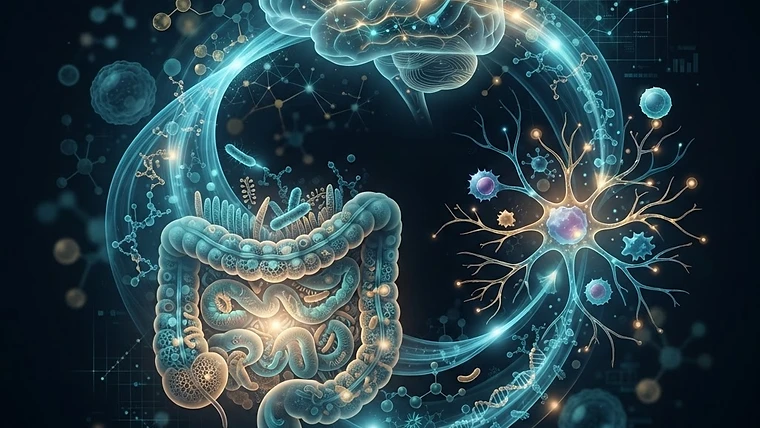
Perhaps one of the most fascinating areas of modern research is the gut-brain axis. We now know that the gut microbiome and the central nervous system are in constant communication. When parasitic activity disrupts the gut environment, it can lead to increased gut permeability—often referred to as "leaky gut."
This disruption allows inflammatory markers to enter the bloodstream, potentially crossing the blood-brain barrier. Emerging studies indicate that this process can trigger neuroinflammation, which is increasingly being investigated as a contributing factor in cognitive fog, anxiety, and mood disorders. By destabilizing neural homeostasis, these inflammatory signals may alter brain function, providing a potential mechanism for how peripheral infections manifest as behavioral or cognitive symptoms.
Metabolic Health and Parasitic Crosstalk
Could there be a link between parasites and diabetes? Recent systematic reviews have highlighted that intestinal parasites may play a role in metabolic diseases. The mechanisms are thought to involve the alteration of nutrient absorption, the disruption of the gut microbiota, and the induction of systemic inflammation that interferes with insulin signaling.
While some studies have paradoxically suggested that certain helminth infections might offer protective effects against obesity through immune modulation, the overall picture remains nuanced. The interaction between the host's metabolic tissues and parasitic excretory products is a burgeoning field, suggesting that our co-evolution with these organisms has left a lasting imprint on how our bodies process energy and manage inflammation.
Neuroinflammation and Mental Well-being
Beyond metabolic health, the impact of chronic infection on the brain is profound. Research into protozoa and helminths has shown that these organisms can influence neuronal gene regulation, including epigenetic modifications. For instance, some studies have observed changes in neurotransmitter signaling pathways, such as those involving dopamine and norepinephrine, following chronic exposure to certain parasites. This suggests that the "parasite-disease connection" may extend deep into the architecture of our mental health, influencing everything from stress responses to emotional regulation.
A New Perspective on Chronic Conditions
As we continue to map these complex interactions, it becomes clear that we must look beyond isolated symptoms. The interplay between the immune system, the microbiome, and environmental factors like parasitic exposure provides a broader context for understanding why chronic conditions are on the rise.
For those interested in a deeper dive into these mechanisms and the historical context of these interactions, the book The Parasite-Disease Connection by James Young, RN, offers a comprehensive look at how these biological threads weave together to impact human health.
Understanding these connections does not provide a simple cure, but it does offer a more holistic framework for viewing health. By acknowledging the role of chronic inflammation and the gut-brain axis, we can better appreciate the complexity of the human body and the importance of maintaining a balanced, resilient internal ecosystem.
Frequently Asked Questions
Can parasites really affect my mental health?
Research suggests that chronic parasitic infections can trigger systemic inflammation and neuroinflammation, which may influence neurotransmitter pathways and contribute to symptoms like anxiety, depression, and cognitive fog.
Is there a link between parasites and diabetes?
Some studies indicate that intestinal parasites may disrupt metabolic processes and contribute to insulin resistance, potentially playing a role in the development or progression of metabolic syndrome and diabetes.
What is the gut-brain axis?
It is the bidirectional communication network between the gut microbiome and the brain. Disruptions in the gut, such as those caused by infection or inflammation, can send signals to the brain that may affect mood and cognitive function.
Does inflammation always mean I have an infection?
No. Inflammation is a natural immune response. However, chronic, low-grade inflammation can be caused by many factors, including diet, stress, environmental toxins, and persistent, low-level immune activation from various sources, including parasites.
Frequently asked questions
Can parasites really affect my mental health?
Research suggests that chronic parasitic infections can trigger systemic inflammation and neuroinflammation, which may influence neurotransmitter pathways and contribute to symptoms like anxiety, depression, and cognitive fog.
Is there a link between parasites and diabetes?
Some studies indicate that intestinal parasites may disrupt metabolic processes and contribute to insulin resistance, potentially playing a role in the development or progression of metabolic syndrome and diabetes.
What is the gut-brain axis?
It is the bidirectional communication network between the gut microbiome and the brain. Disruptions in the gut, such as those caused by infection or inflammation, can send signals to the brain that may affect mood and cognitive function.
Does inflammation always mean I have an infection?
No. Inflammation is a natural immune response. However, chronic, low-grade inflammation can be caused by many factors, including diet, stress, environmental toxins, and persistent, low-level immune activation from various sources, including parasites.