Parasites, Inflammation, and the Hidden Roots of Chronic Disease
Explore the emerging science connecting parasitic activity, chronic inflammation, and the gut-brain axis to metabolic and mental health conditions.

Evidence context
This article is an educational research review. Associations do not prove causation, and medical decisions should be made with qualified healthcare professionals using the underlying cited evidence.
Topic overview
Cancer and parasites research overviewThe Invisible Connection: Parasites and Systemic Health
For decades, the medical community has viewed the human body as a fortress, often focusing on isolated systems when diagnosing illness. However, emerging research is beginning to challenge this siloed perspective, particularly regarding the role of parasitic organisms. While often associated with tropical travel, parasites—ranging from protozoa to helminths—are increasingly being studied for their subtle, long-term influence on the human host. Science is now exploring how these organisms may act as silent modulators of the immune system, potentially contributing to chronic inflammation, metabolic dysfunction, and even mental health challenges.
The Gut-Brain Axis and Immune Dysregulation
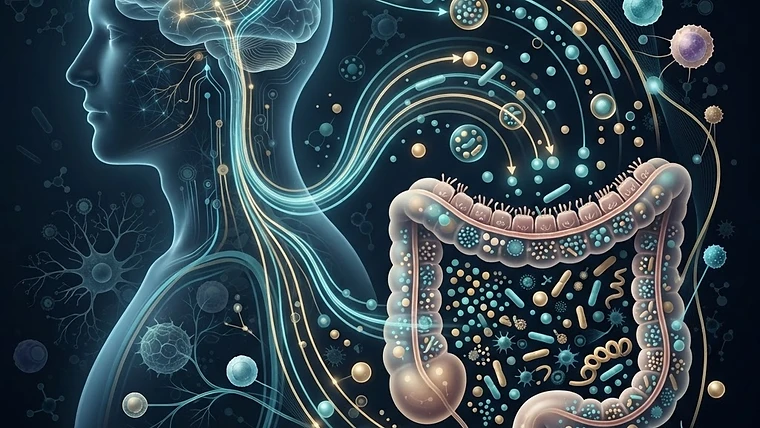
The gut-brain axis is a bidirectional communication network that links the intestinal environment to the central nervous system. Recent studies suggest that this axis is highly sensitive to the presence of foreign organisms. When parasites inhabit the gastrointestinal tract, they do not merely exist in isolation; they actively interact with the host's microbiome and immune system.
Research indicates that parasitic infections can alter the composition of gut microbiota and disrupt the production of essential microbial metabolites, such as short-chain fatty acids. This disruption can trigger a cascade of immune responses, leading to low-grade, chronic inflammation. Because the immune system and the nervous system are deeply intertwined, this systemic inflammation can manifest as neuroinflammation, potentially impacting cognitive function, mood, and behavior.
Parasites and Metabolic Health: A Complex Link
The relationship between parasites and metabolic health, including conditions like diabetes, is an area of growing scientific interest. Chronic inflammation is a known driver of insulin resistance, a hallmark of metabolic syndrome. Some studies suggest that the persistent immune activation caused by certain intestinal parasites may contribute to the metabolic stress that underlies these conditions. By modulating the host's immune response and altering nutrient absorption, these organisms may indirectly influence how the body regulates blood sugar and energy metabolism.
Neuroinflammation and Mental Well-being
Perhaps one of the most compelling areas of current research is the link between parasitic infection and mental health. Conditions such as anxiety, depression, and cognitive fog have been increasingly associated with systemic inflammation. When the body is in a state of chronic immune activation, the blood-brain barrier can become more permeable, allowing inflammatory cytokines to affect neural homeostasis.
Emerging evidence suggests that certain parasites may influence the central nervous system either directly through neurotropism or indirectly through the systemic inflammatory pathways mentioned above. This neuroinflammatory state may disrupt neurotransmission, potentially contributing to the behavioral and cognitive changes observed in various psychiatric conditions.
Understanding the Immune Response
It is important to recognize that the human immune system has evolved complex mechanisms to manage parasitic presence. For instance, type-2 immunity, which is often activated in response to helminths, plays a significant role in regulating inflammation. However, when these regulatory pathways are chronically engaged, they can lead to immune dysregulation. Some research suggests that cancer cells may even exploit these same immunoregulatory mechanisms to evade detection, highlighting the profound impact that chronic parasitic presence can have on the body's surveillance systems.
A Deeper Look at the Science
As we continue to uncover the intricate ways in which our internal environment influences our overall health, it becomes clear that the study of parasites is not just about infectious disease—it is about understanding the fundamental drivers of chronic inflammation. For those interested in exploring these connections further, the book The Parasite-Disease Connection by James Young, RN, provides a comprehensive look at how these biological interactions may shape our long-term health outcomes.
While the science is still evolving, the shift toward viewing the body as a holistic, interconnected system is a promising step forward. By continuing to investigate the role of parasites in immune and metabolic health, researchers hope to better understand the root causes of many modern, chronic conditions.
Frequently Asked Questions
Can parasites really affect my mental health?
Research suggests that chronic inflammation resulting from parasitic infections can influence the gut-brain axis, potentially contributing to neuroinflammation and symptoms associated with anxiety and depression.
Is there a link between parasites and diabetes?
Some studies indicate that intestinal parasites may disrupt host metabolism and contribute to chronic inflammation, which is a known factor in the development of insulin resistance and metabolic syndrome.
How do parasites cause chronic inflammation?
Parasites can trigger persistent immune activation as the body attempts to manage their presence. This ongoing immune response can lead to systemic, low-grade inflammation that affects various organ systems.
Should I be concerned about parasites if I live in the US?
While certain parasitic infections are more common in tropical regions, they are a global concern. Modern research is increasingly looking at how even subtle, long-term parasitic presence can impact health in diverse populations.
Frequently asked questions
Can parasites really affect my mental health?
Research suggests that chronic inflammation resulting from parasitic infections can influence the gut-brain axis, potentially contributing to neuroinflammation and symptoms associated with anxiety and depression.
Is there a link between parasites and diabetes?
Some studies indicate that intestinal parasites may disrupt host metabolism and contribute to chronic inflammation, which is a known factor in the development of insulin resistance and metabolic syndrome.
How do parasites cause chronic inflammation?
Parasites can trigger persistent immune activation as the body attempts to manage their presence. This ongoing immune response can lead to systemic, low-grade inflammation that affects various organ systems.
Should I be concerned about parasites if I live in the US?
While certain parasitic infections are more common in tropical regions, they are a global concern. Modern research is increasingly looking at how even subtle, long-term parasitic presence can impact health in diverse populations.