Parasites, Inflammation, and the Hidden Roots of Chronic Health
Explore the emerging science connecting parasitic activity, systemic inflammation, and the gut-brain axis to metabolic and mental health challenges.
Evidence context
This article is an educational research review. Associations do not prove causation, and medical decisions should be made with qualified healthcare professionals using the underlying cited evidence.
Topic overview
Cancer and parasites research overviewParasites, Inflammation, and the Hidden Roots of Chronic Health
In the landscape of modern medicine, we often view health conditions—whether metabolic, mental, or autoimmune—as isolated events. We treat diabetes as a blood sugar issue, anxiety as a neurotransmitter imbalance, and cognitive fog as a symptom of stress. However, emerging research is beginning to look at the body as a deeply interconnected ecosystem, where the presence of microscopic organisms may play a far more significant role than previously understood.
As we explore the intersection of parasites, inflammation, and the immune system, we are uncovering a complex web of interactions that may influence everything from insulin resistance to mood disorders. This is not about simple infection; it is about the subtle, chronic ways these organisms interact with our biology.
The Gut-Brain Axis and Immune Dysregulation
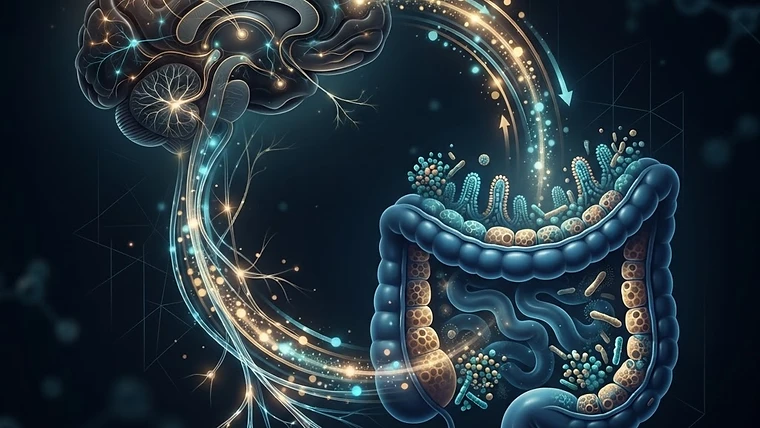
The gut-brain axis is a bidirectional communication network that links the intestinal environment to the central nervous system. While much of the current focus in this field has been on diet and bacteria, parasitic organisms—including protozoa and helminths—are increasingly recognized as powerful modulators of this system.
Research suggests that parasites can influence the central nervous system through several pathways. They may act indirectly by disrupting the gut microbiota and altering microbial metabolic outputs, such as short-chain fatty acid profiles. Alternatively, some parasites exert direct immunomodulatory effects, triggering systemic inflammation that can cross the blood-brain barrier, leading to what researchers call neuroinflammation.
Chronic Inflammation: The Common Denominator
Chronic inflammation is a hallmark of many modern health challenges. When the immune system remains in a state of constant activation, it can lead to tissue damage and metabolic dysfunction. Parasites are masters of immune evasion, often recruiting regulatory T cells (Tregs) to suppress the host's immune response. This tug-of-war between the parasite and the host's immune system can result in low-grade, persistent inflammation.
This systemic inflammation is increasingly linked to metabolic syndrome and insulin resistance. Studies have investigated the prevalence of intestinal parasites in populations with metabolic conditions, suggesting that the metabolic disturbances caused by these organisms may contribute to the broader spectrum of metabolic disease, including diabetes.
Parasites and the Mental Health Connection
The link between infection and mental health is one of the most compelling areas of current research. Neuroinflammation, often driven by peripheral immune activation, has been implicated in the development of depression, anxiety, and cognitive decline.
When the body is fighting a chronic, low-level parasitic presence, the resulting inflammatory cytokines can alter brain homeostasis. This can disrupt neurotransmission and influence behavior. Some studies have even indicated that individuals with certain parasitic infections may show a higher prevalence of psychiatric symptoms, suggesting that the gut-brain axis is a critical pathway through which these organisms may shape our mental well-being.
Understanding the Complexity
It is important to approach this topic with nuance. The relationship between parasites and the host is not always straightforward. In some cases, the immune system's attempt to control a parasite can lead to collateral damage in the form of inflammation. In others, the parasite's own excretory products and extracellular vesicles may directly modulate host signaling pathways.
As we continue to map these interactions, it becomes clear that our understanding of "health" must expand to include the hidden biological actors that share our internal environment. For those interested in a deeper exploration of these mechanisms, the book The Parasite-Disease Connection by James Young, RN, provides a comprehensive look at how these biological relationships may influence long-term health outcomes.
Conclusion
The science of the parasite-host relationship is evolving rapidly. By viewing conditions like metabolic syndrome, anxiety, and cognitive fog through the lens of systemic inflammation and immune dysregulation, we open the door to a more holistic understanding of human health. While we are only beginning to scratch the surface, the evidence suggests that the gut-brain axis and the immune system are central to how we experience both physical and mental vitality.
Frequently Asked Questions
Can parasites really affect my mood or mental health?
Research suggests that chronic inflammation resulting from parasitic activity can influence the central nervous system, potentially contributing to symptoms of anxiety, depression, and cognitive fog through the gut-brain axis.
Is there a link between parasites and diabetes?
Some studies have explored the association between intestinal parasites and metabolic disturbances, suggesting that the chronic inflammation and immune dysregulation caused by these organisms may play a role in metabolic health and insulin resistance.
What is neuroinflammation?
Neuroinflammation is the inflammation of the nervous tissue. It is increasingly recognized as a potential consequence of systemic immune activation, which can be triggered by various factors, including chronic parasitic infections.
How do parasites evade the immune system?
Parasites often use sophisticated strategies, such as recruiting regulatory T cells (Tregs) or secreting specific proteins, to suppress the host's immune response and create an environment where they can persist.
Frequently asked questions
Can parasites really affect my mood or mental health?
Research suggests that chronic inflammation resulting from parasitic activity can influence the central nervous system, potentially contributing to symptoms of anxiety, depression, and cognitive fog through the gut-brain axis.
Is there a link between parasites and diabetes?
Some studies have explored the association between intestinal parasites and metabolic disturbances, suggesting that the chronic inflammation and immune dysregulation caused by these organisms may play a role in metabolic health and insulin resistance.
What is neuroinflammation?
Neuroinflammation is the inflammation of the nervous tissue. It is increasingly recognized as a potential consequence of systemic immune activation, which can be triggered by various factors, including chronic parasitic infections.
How do parasites evade the immune system?
Parasites often use sophisticated strategies, such as recruiting regulatory T cells (Tregs) or secreting specific proteins, to suppress the host's immune response and create an environment where they can persist.