Parasites, Inflammation, and the Metabolic-Brain Connection
Explore the emerging science of how parasitic interactions influence chronic inflammation, metabolic health, and the gut-brain axis in this deep dive into immunometabolism.
Evidence context
This article is an educational research review. Associations do not prove causation, and medical decisions should be made with qualified healthcare professionals using the underlying cited evidence.
Topic overview
Cancer and parasites research overviewParasites, Inflammation, and the Metabolic-Brain Connection
In the modern landscape of health, we are increasingly looking toward the hidden drivers of chronic conditions. While conventional medicine often focuses on managing symptoms of metabolic syndrome, diabetes, and mood disorders, a growing body of research is turning its attention to the foundational role of the immune system and its complex, ancient interactions with the microbial world. Among the most intriguing areas of study is the intersection of parasites, chronic inflammation, and the gut-brain axis.
The Hidden Architecture of Chronic Inflammation
Chronic, low-grade inflammation is now recognized as a common denominator in many of the most prevalent health challenges of our time, including type 2 diabetes, obesity, and various cognitive and mood disorders. This state of "metabolic inflammation" often originates in adipose tissue, where immune cells become dysregulated, shifting from a protective, anti-inflammatory state to a pro-inflammatory one.
Emerging science suggests that our immune system is not merely a defense mechanism against external threats; it is a sophisticated regulator of metabolic homeostasis. When this system is chronically activated, it can lead to insulin resistance, systemic inflammation, and even neuroinflammation—a state increasingly linked to cognitive fog, anxiety, and depression.
The Immunometabolism Hypothesis
At the heart of this discussion is the field of immunometabolism. Researchers are investigating how the immune system communicates with metabolic tissues. Interestingly, some studies indicate that certain helminths (parasitic worms) have evolved to modulate this communication to ensure their own survival. By inducing a type-2 immune response—which is generally anti-inflammatory—these organisms can alter the host's metabolic landscape.
While this is a complex biological interaction, it has sparked significant interest in how these mechanisms might influence conditions like metabolic syndrome. Some research suggests that the presence of specific parasites can lead to improved insulin sensitivity and reduced systemic inflammation in certain models, highlighting the profound power of the immune system to dictate metabolic outcomes.
The Gut-Brain Axis and Mental Health
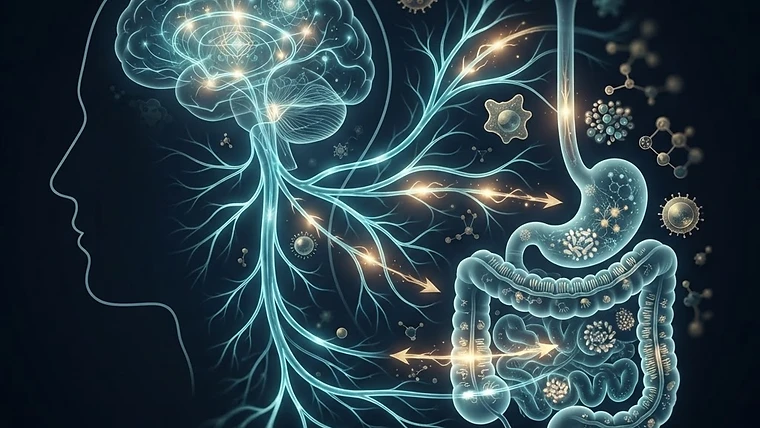
Perhaps one of the most fascinating frontiers is the gut-brain axis. We now know that the gut microbiome and the immune cells residing in the digestive tract play a critical role in regulating mood and cognitive function. When the gut barrier is compromised or the microbiome is in a state of dysbiosis, the resulting inflammation can impact the brain, potentially contributing to symptoms of anxiety and depression.
Parasitic infections, by altering the composition of the gut microbiota and influencing the integrity of the intestinal barrier, may indirectly affect this axis. The research is still in its infancy, but the potential for these interactions to influence neuroinflammation is a subject of intense curiosity. By understanding how the immune system responds to various stressors, we may gain new insights into the biological underpinnings of mental health.
Navigating the Complexity of Host-Parasite Interactions
It is vital to approach this topic with nuance. Not all interactions are beneficial. In some cases, parasitic infections can exacerbate inflammation, particularly in the context of existing metabolic syndrome or obesity. The outcome of these interactions often depends on the specific species of the parasite, the stage of infection, and the host's baseline health status.
For instance, while some helminth-derived molecules are being studied for their potential to dampen excessive inflammation, other parasites may thrive in a host with metabolic dysregulation, potentially worsening the condition. This duality underscores the importance of viewing the body as a complex ecosystem where the immune system, metabolism, and external organisms are in constant, dynamic dialogue.
A Deeper Look at the Connection
As we continue to explore these connections, it becomes clear that our understanding of health is shifting from a focus on isolated organs to a more integrated view of systemic biology. The interplay between the immune system and our metabolic health is a testament to the complexity of human physiology.
For those interested in exploring these concepts further, James Young, RN, provides a comprehensive look at these dynamics in his book, The Parasite-Disease Connection. It serves as a valuable resource for those seeking to understand the broader implications of these interactions on human health and the potential for future research to illuminate the path forward.
Conclusion
The study of parasites, inflammation, and metabolic health is not just about identifying pathogens; it is about understanding the fundamental rules of human biology. By investigating how our immune system interacts with the world around us, we may uncover new ways to support metabolic and mental well-being. As research continues to evolve, we remain committed to exploring these fascinating intersections with curiosity and scientific rigor.
Frequently Asked Questions
How does chronic inflammation relate to metabolic health?
Chronic, low-grade inflammation is a key driver of metabolic syndrome and insulin resistance. It often begins in adipose tissue, where immune cells release pro-inflammatory cytokines that interfere with normal metabolic signaling.
What is the gut-brain axis?
The gut-brain axis is the bidirectional communication network between the gastrointestinal tract and the central nervous system. It involves the microbiome, the immune system, and the endocrine system, all of which can influence mood and cognitive function.
Can parasites influence insulin sensitivity?
Some research suggests that certain helminth infections can modulate the immune system in a way that improves insulin sensitivity and reduces systemic inflammation, though this effect is highly dependent on the specific parasite and host environment.
Is neuroinflammation linked to mood disorders?
Emerging science suggests that systemic inflammation can cross the blood-brain barrier, leading to neuroinflammation. This process is increasingly being studied as a potential factor in the development of anxiety, depression, and cognitive fog.
Frequently asked questions
How does chronic inflammation relate to metabolic health?
Chronic, low-grade inflammation is a key driver of metabolic syndrome and insulin resistance. It often begins in adipose tissue, where immune cells release pro-inflammatory cytokines that interfere with normal metabolic signaling.
What is the gut-brain axis?
The gut-brain axis is the bidirectional communication network between the gastrointestinal tract and the central nervous system. It involves the microbiome, the immune system, and the endocrine system, all of which can influence mood and cognitive function.
Can parasites influence insulin sensitivity?
Some research suggests that certain helminth infections can modulate the immune system in a way that improves insulin sensitivity and reduces systemic inflammation, though this effect is highly dependent on the specific parasite and host environment.
Is neuroinflammation linked to mood disorders?
Emerging science suggests that systemic inflammation can cross the blood-brain barrier, leading to neuroinflammation. This process is increasingly being studied as a potential factor in the development of anxiety, depression, and cognitive fog.