Parasites, Inflammation, and the Metabolic-Brain Connection
Explore the emerging scientific hypothesis regarding how parasitic organisms interact with the immune system, chronic inflammation, and the gut-brain axis to influence metabolic and mental health.
Evidence context
This article is an educational research review. Associations do not prove causation, and medical decisions should be made with qualified healthcare professionals using the underlying cited evidence.
Topic overview
Cancer and parasites research overviewParasites, Inflammation, and the Metabolic-Brain Connection
In the landscape of modern medicine, we often view the human body as a fortress under siege by external invaders. However, emerging research is challenging this binary perspective, particularly when it comes to the complex, ancient relationship between humans and parasitic organisms. As we grapple with a global rise in metabolic syndrome, diabetes, and mood disorders, scientists are increasingly looking at the "hidden" factors that influence our immune system and systemic inflammation.
The Immune System and Chronic Inflammation
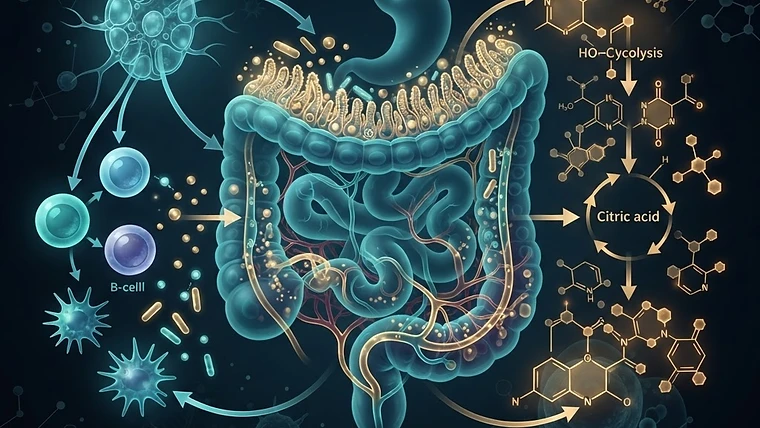
Chronic, low-grade inflammation is now recognized as a common denominator in many modern health challenges, from insulin resistance and type 2 diabetes to cognitive fog and mood disorders. This state of persistent immune activation often stems from a dysregulated gut-brain axis. When the immune system remains in a state of high alert, it can lead to neuroinflammation—a condition where the brain’s protective cells become overactive, potentially impacting mental clarity and emotional stability.
Research suggests that the immune system does not operate in a vacuum. It is constantly communicating with the microbiome and, in some cases, interacting with organisms that have co-evolved with humans for millennia. This has led to a fascinating area of study: how certain parasitic helminths (worms) might modulate the host immune response.
The Paradox of Parasites and Metabolic Health
It may seem counterintuitive, but some studies indicate that certain parasitic infections are inversely associated with inflammatory-based diseases. In populations where helminth infections are endemic, there is often a lower prevalence of metabolic syndrome and type 2 diabetes.
Scientists hypothesize that these parasites have evolved sophisticated mechanisms to survive within the host by dampening excessive immune responses. By inducing a "Type 2" immune phenotype—which is generally anti-inflammatory—these organisms may inadvertently help the host maintain metabolic homeostasis. Research suggests that parasite-derived molecules, known as excretory-secretory products (ESPs), can influence macrophage polarization and improve insulin sensitivity in experimental models.
The Gut-Brain Axis and Mental Well-being
Beyond metabolic health, the gut-brain axis plays a critical role in how we experience anxiety, depression, and cognitive function. The gut is often called the "second brain" because of its vast network of neurons and its direct influence on neurotransmitter production. When gut permeability is compromised—often due to chronic inflammation—it can trigger systemic immune responses that reach the brain.
Emerging science explores how the presence of certain organisms in the gut can alter the composition of the microbiome, which in turn affects the production of short-chain fatty acids and other metabolites that support brain health. While some parasites may disrupt nutrient absorption and exacerbate metabolic issues, others are being studied for their potential to modulate the gut-brain axis in ways that might reduce neuroinflammation.
Navigating the Complexity
It is vital to approach this topic with nuance. Not all parasitic interactions are beneficial. Chronic, untreated infections can lead to significant health complications, including organ damage, fibrosis, and severe nutrient deficiencies. The relationship between a host and a parasite is highly specific to the species involved and the individual’s unique biological terrain.
As we continue to map the intersection of parasites, inflammation, and metabolic health, it becomes clear that our understanding of the human microbiome is still in its infancy. The goal of current research is not to suggest that infections are a solution, but rather to understand the molecular "crosstalk" between these organisms and our immune systems. By identifying the specific pathways through which these interactions occur, researchers hope to develop new, targeted therapies for metabolic and autoimmune conditions.
For those interested in a deeper exploration of these biological mechanisms and the historical context of human-parasite interactions, the book The Parasite-Disease Connection by James Young, RN, provides a comprehensive look at how these hidden factors may influence systemic health and disease patterns.
Conclusion
The study of parasites and their role in human health is a reminder that our biology is deeply interconnected with the environment. While we are only beginning to scratch the surface of how these organisms influence our metabolic and mental health, the research underscores the importance of viewing the body as a complex ecosystem. As science advances, we may find that the keys to managing chronic inflammation and metabolic dysfunction lie in understanding the delicate balance of our internal and external biological worlds.
Frequently Asked Questions
How do parasites influence metabolic health?
Research suggests that certain helminths can modulate the host immune system, potentially reducing systemic inflammation and improving insulin sensitivity, though this effect is highly dependent on the parasite species and the host's health status.
What is the link between inflammation and mental health?
Chronic, low-grade inflammation can lead to neuroinflammation, which is increasingly studied as a potential contributor to symptoms of anxiety, depression, and cognitive fog.
Can parasites cause metabolic syndrome?
While some studies show an inverse relationship between certain infections and metabolic disease, other parasitic infections can cause nutrient malabsorption and metabolic disruption, highlighting the complexity of these interactions.
What is the gut-brain axis?
It is the bidirectional communication network between the gastrointestinal tract and the central nervous system, which plays a crucial role in regulating immune function, metabolism, and mood.
Frequently asked questions
How do parasites influence metabolic health?
Research suggests that certain helminths can modulate the host immune system, potentially reducing systemic inflammation and improving insulin sensitivity, though this effect is highly dependent on the parasite species and the host's health status.
What is the link between inflammation and mental health?
Chronic, low-grade inflammation can lead to neuroinflammation, which is increasingly studied as a potential contributor to symptoms of anxiety, depression, and cognitive fog.
Can parasites cause metabolic syndrome?
While some studies show an inverse relationship between certain infections and metabolic disease, other parasitic infections can cause nutrient malabsorption and metabolic disruption, highlighting the complexity of these interactions.
What is the gut-brain axis?
It is the bidirectional communication network between the gastrointestinal tract and the central nervous system, which plays a crucial role in regulating immune function, metabolism, and mood.