Parasites, Inflammation, and the Hidden Roots of Metabolic Health
Emerging research explores the complex relationship between parasitic organisms, chronic inflammation, and metabolic conditions like diabetes and mood disorders.
Evidence context
This article is an educational research review. Associations do not prove causation, and medical decisions should be made with qualified healthcare professionals using the underlying cited evidence.
Topic overview
Cancer and parasites research overviewParasites, Inflammation, and the Hidden Roots of Metabolic Health
In the modern landscape of health, we often view our bodies as isolated systems. We treat diabetes with glucose management, anxiety with neurotransmitter support, and inflammation with targeted suppressants. Yet, emerging science suggests that these conditions may be deeply interconnected through a biological "hidden layer": the complex, often overlooked relationship between our immune system, the gut microbiome, and the presence of parasitic organisms.
The Immune System as a Mediator
At the heart of this intersection is the immune system. Chronic, low-grade inflammation is a hallmark of metabolic syndrome, type 2 diabetes, and various autoimmune conditions. Research suggests that the immune system does not operate in a vacuum; it is constantly calibrated by the organisms we host.
Some studies indicate that certain parasitic helminths (worms) may actually modulate the host immune response, potentially dampening the systemic inflammation that drives insulin resistance. Conversely, other protozoan parasites may trigger inflammatory cascades that contribute to metabolic dysregulation. This duality highlights that the impact of these organisms is not monolithic—it is highly dependent on the specific species and the host's unique biological environment.
The Gut-Brain Axis and Mental Health
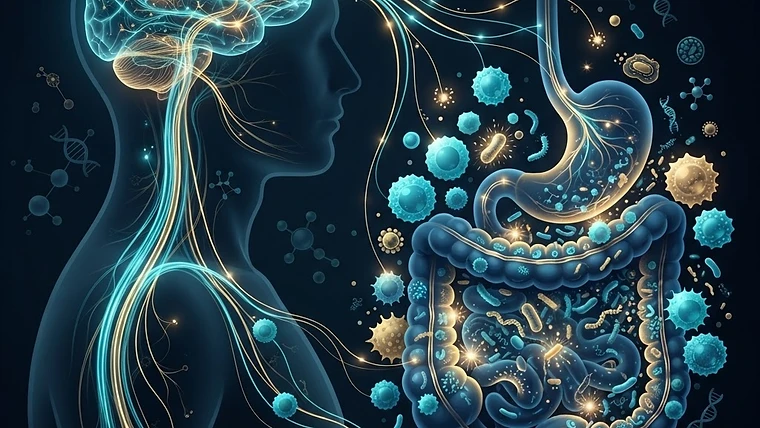
Perhaps one of the most fascinating areas of current research is the gut-brain axis. We now understand that the gut is not just for digestion; it is a command center for neurochemistry. When the gut environment is altered—whether by diet, stress, or the presence of parasites—it can influence the production of key neurometabolites like serotonin and tryptophan.
Emerging evidence suggests that parasite-induced dysbiosis (an imbalance in the gut microbiome) may contribute to neuroinflammation. This process is increasingly being studied as a potential factor in mood disorders, including anxiety and depression. When the gut barrier is compromised, systemic immune activation can follow, potentially impacting cognitive function and leading to what many describe as "brain fog."
Metabolic Syndrome and the Parasite Connection
Metabolic syndrome is defined by a cluster of conditions—increased blood pressure, high blood sugar, excess body fat around the waist, and abnormal cholesterol levels. Recent systematic reviews have highlighted a curious, inverse relationship between certain helminth infections and metabolic disease. In some populations, the presence of these organisms has been associated with lower fasting blood glucose and improved insulin sensitivity.
However, this is not a recommendation for infection. Rather, it is a scientific observation that these organisms possess sophisticated mechanisms to regulate host immunity. Scientists are currently investigating whether these "regulatory" pathways can be harnessed to develop novel therapies for metabolic inflammation, without the risks associated with active parasitic infection.
Navigating the Complexity
It is important to approach this topic with nuance. While some studies show that certain parasites may be associated with improved metabolic markers, others are clearly linked to nutritional deficiencies and gastrointestinal distress. The "parasite-disease connection" is a vast, evolving field of study that requires careful clinical investigation.
For those interested in exploring the deeper mechanisms of how these biological interactions influence long-term health, the book The Parasite-Disease Connection by James Young, RN, provides a comprehensive look at the historical and scientific context of these relationships. It serves as a valuable resource for understanding the broader implications of the host-parasite dynamic.
Conclusion
As we continue to map the intricate connections between our immune system, our gut, and the organisms that inhabit it, we move closer to a more holistic understanding of health. While we are far from having all the answers, the research suggests that the path to addressing chronic metabolic and mental health conditions may lie in better understanding the inflammatory signals that govern our internal ecosystem. Always consult with your healthcare provider regarding any health concerns, and view these emerging scientific insights as a foundation for informed, curious exploration.
Frequently asked questions
Can parasites cause diabetes?
Research is ongoing. While some studies show a higher prevalence of certain intestinal parasites in diabetic patients, others suggest that specific helminth infections might actually be associated with improved insulin sensitivity due to immune modulation.
How do parasites affect mental health?
Emerging science suggests that parasites may influence mental health through the gut-brain axis, potentially causing neuroinflammation or altering the production of neurotransmitters like serotonin, which can impact mood and cognition.
What is the link between inflammation and metabolic syndrome?
Chronic, low-grade systemic inflammation is a primary driver of metabolic syndrome. It often originates in adipose tissue and is exacerbated by gut dysbiosis and immune dysregulation.
Are all parasites harmful to metabolic health?
Not necessarily. Some research indicates that certain helminths may help regulate the immune system and reduce systemic inflammation, though this is a complex area of study and does not imply that infections are beneficial.