Parasites, Inflammation, and the Hidden Metabolic Link
Explore the emerging science connecting parasitic activity, chronic inflammation, and the gut-brain axis to metabolic and mental health conditions.
Evidence context
This article is an educational research review. Associations do not prove causation, and medical decisions should be made with qualified healthcare professionals using the underlying cited evidence.
Topic overview
Cancer and parasites research overviewParasites, Inflammation, and the Hidden Metabolic Link
In the landscape of modern health, we often view metabolic and mental health conditions—such as type 2 diabetes, anxiety, and cognitive fog—as isolated issues. However, emerging research is beginning to map a more interconnected reality. At the center of this exploration is the complex relationship between the human immune system, chronic inflammation, and the presence of parasitic organisms. While these topics are often discussed separately, scientists are increasingly looking at how they intersect through the gut-brain axis and systemic immune regulation.
The Immune System as a Mediator
To understand how parasites might influence metabolic or mental health, we must first look at the immune system. The immune system is not just a defense mechanism against infection; it is a master regulator of metabolism. When the body experiences chronic, low-grade inflammation—often associated with obesity and metabolic syndrome—the immune system remains in a state of constant activation. This state, sometimes called "metabolic inflammation," can disrupt insulin sensitivity and contribute to the development of conditions like type 2 diabetes.
Research suggests that certain parasites have evolved sophisticated ways to modulate this immune response. Some studies indicate that helminths (parasitic worms) can induce an anti-inflammatory phenotype in immune cells, such as M2 macrophages. By shifting the immune environment, these organisms may influence how the host manages glucose and systemic inflammation.
The Gut-Brain Axis and Mental Health
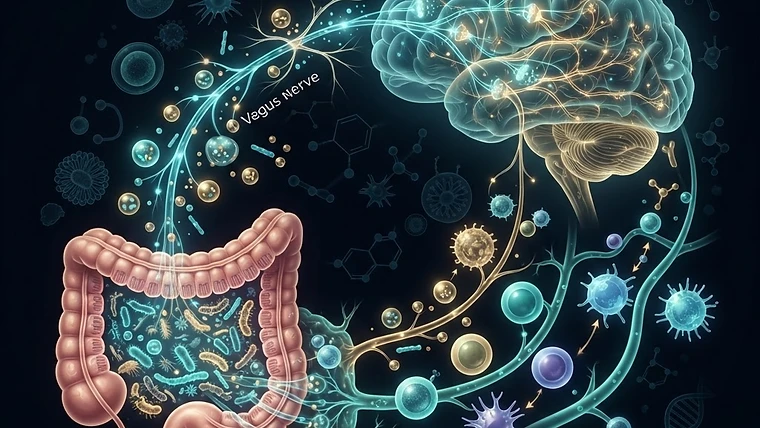
Perhaps one of the most intriguing areas of current research is the gut-brain axis. This bidirectional communication network links the gastrointestinal tract to the central nervous system. We now know that the gut microbiome plays a critical role in producing neurotransmitters and regulating mood. When this axis is disturbed—whether through dysbiosis, chronic enteric inflammation, or the presence of parasitic organisms—it can lead to what researchers call neuroinflammation.
Neuroinflammation is increasingly being studied as a potential contributor to mood disorders, including anxiety and depression. If a parasitic infection alters the gut environment or triggers an immune cascade, it may indirectly affect neurotransmitter metabolism and neural circuitry. This suggests that the "fog" or mood shifts some individuals experience might be rooted in a deeper, systemic immune-metabolic imbalance.
Parasites and Metabolic Outcomes: A Complex Picture
The relationship between parasites and metabolic health is not one-sided. While some studies suggest that certain helminth infections might improve insulin sensitivity and reduce systemic inflammation in specific models, other research highlights the risks of parasitic infection in the context of existing metabolic disease. For instance, in cases of obesity, the immune system's ability to manage both the metabolic stress and the parasitic infection can be compromised, potentially leading to increased tissue damage or exacerbated inflammation.
It is essential to recognize that the impact of a parasite depends heavily on the species, the stage of infection, and the host's baseline health. The scientific community is currently working to untangle these variables to understand why some interactions appear protective while others aggravate metabolic dysfunction.
Navigating the Research Landscape
As we continue to uncover these connections, it becomes clear that our health is a reflection of a delicate equilibrium. The interplay between our microbiome, our immune system, and the organisms we host is a frontier of modern medicine. For those interested in a deeper dive into how these systems interact, James Young, RN, provides a comprehensive look at these mechanisms in his book, The Parasite-Disease Connection, which explores the broader implications of these biological relationships.
Conclusion
While the science is still evolving, the shift toward viewing metabolic and mental health through the lens of systemic inflammation and immune regulation is a promising step forward. By understanding the complex "crosstalk" between our bodies and the environment, we may gain new insights into the root causes of chronic health challenges. As always, this research serves as a foundation for curiosity and further scientific inquiry, reminding us that the path to wellness often lies in understanding the hidden connections within us.
Frequently Asked Questions
Can parasites cause diabetes?
Research does not suggest that parasites "cause" diabetes in a direct sense. However, studies have identified a significant association between the prevalence of intestinal parasites and diabetic patients, suggesting that the immune and metabolic changes associated with both conditions are deeply intertwined.
How does inflammation affect mental health?
Chronic inflammation, particularly neuroinflammation, is increasingly linked to mood disorders like anxiety and depression. When the immune system is chronically activated, it can alter neurotransmitter production and signaling, which may impact cognitive function and emotional well-being.
What is the gut-brain axis?
The gut-brain axis is a bidirectional communication network that connects the enteric nervous system in the gut with the central nervous system. It allows the gut microbiome and immune system to influence brain function, mood, and behavior.
Are all parasitic infections harmful to metabolic health?
Not necessarily. Some research indicates that certain helminth infections may induce an anti-inflammatory response that could theoretically improve insulin sensitivity. However, this is a complex area of study, and the effect depends on the specific parasite species and the host's overall health status.
Frequently asked questions
Can parasites cause diabetes?
Research does not suggest that parasites "cause" diabetes in a direct sense. However, studies have identified a significant association between the prevalence of intestinal parasites and diabetic patients, suggesting that the immune and metabolic changes associated with both conditions are deeply intertwined.
How does inflammation affect mental health?
Chronic inflammation, particularly neuroinflammation, is increasingly linked to mood disorders like anxiety and depression. When the immune system is chronically activated, it can alter neurotransmitter production and signaling, which may impact cognitive function and emotional well-being.
What is the gut-brain axis?
The gut-brain axis is a bidirectional communication network that connects the enteric nervous system in the gut with the central nervous system. It allows the gut microbiome and immune system to influence brain function, mood, and behavior.
Are all parasitic infections harmful to metabolic health?
Not necessarily. Some research indicates that certain helminth infections may induce an anti-inflammatory response that could theoretically improve insulin sensitivity. However, this is a complex area of study, and the effect depends on the specific parasite species and the host's overall health status.